


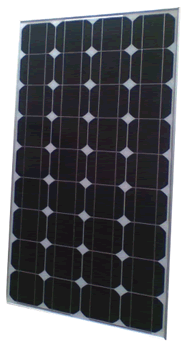
Chinese solar panel manufacturer Kingdom Solar
There’s a storm brewing between the European Union and the Republic of China over claims that Chinese companies are exporting solar panels below what it costs to make them. The complaint is the largest anti-dumping (predatory pricing in a foreign market rather than domestic) allegation in EU’s history with a complaint filed by 25 solar companies from Italy, Germany and Spain. The EU could impose tariffs on solar panels, solar cells and solar wafers produced in China as a way to offset the loss of their fledgling solar companies who have recently gone bankrupt.
China retaliated against the claims by threatening to impose tariffs on goods imported from the EU such as wine and industrial materials. The move is strikingly similar to the accusations made by the US recently that involved the Commerce Department hitting ProVision Solar, with an estimated 100 other companies, with retroactive tariffs of up to 250% for purchasing PV (Photovoltaic) panels below market cost from Chinese manufacturers. ProVision Solar was forced to pay $138,000 as a result of purchasing 300 panels from a company in China’s Jiangsu province that cost an estimated $54,000. China is currently the world’s largest producer of solar technology (2/3 of the global market) garnering $26.5 billion in revenue for last year alone.
China’s revenue numbers are set rise with the growing popularity of alternative energy, such as solar power, but its speculated by both the US and EU that smaller businesses will suffer due to the inability to keep up with demands and costs of manufacturing the components for solar technology. EU’s investigation into the anti-dumping case is expected to last for roughly 15 months of deliberations, and if the Chinese companies are found guilty they could impose tariffs as early as 9 months later. The Chinese government stated that they would welcome negotiations over the solar technology with their EU counterparts, saying that PV restrictions would not only hurt the economies of both nations but the world as well. If what they say is true, then it could affect the price of solar technology effectively making it more expensive to implement which would then make it a less viable alternative to fossil energy.
Cabe
