


Introduction of myself
I am a Full-Time Electronic Product engineer in the profession. I am always eager to learn about new technologies. during The Weekends I will Do Experiments On Electronics and I will post them in the Open source communities.
Experimenting and project Building plans
Project Name : Electrical Cycle Battery Consumption Monitor and Pedal Assistant Guiding System
Since I am an Electrical Bicycle User I know some design Flaws in the Electrical Bicycle, Particularly On battery Monitoring. hence I am planning to build an "Electrical Bicycle Pedal Assistant Mode Guider and Battery consumption Monitor "to Give the Approximate Running Time of the motor.
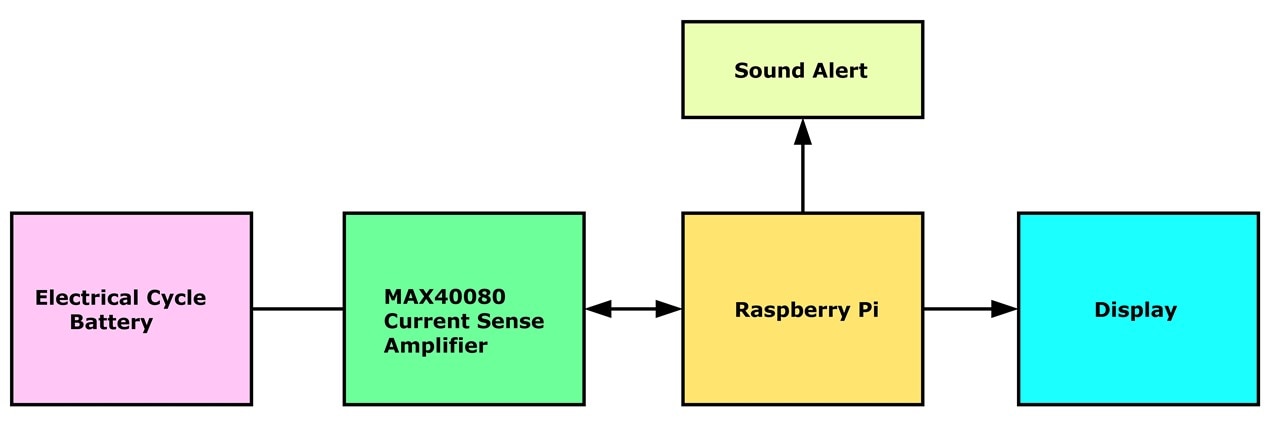
Electrical Bicycles are good for exercise and short commute also. When We want to cut off the battery usage or to do exercise, we can choose Pedal Assist or Normal Pedaling. During This time Battery consumption is minimum because of Pedaling manually. When it comes to the accelerator Mode of the Bicycle The battery consumption Is high and Health Benefits are Low. If we take the bicycle For a long ride, we must have to know the remaining battery capacity, If we forget the battery remaining when we are tired we can’t make pedaling easy. To overcome these problems, I am planning to develop a system that gives the Battery Consumption details on the display. When The consumption of the battery is High, The Audio Notification system alerts the user to switch to the pedal-assist mode or Manual Peddling along with that it gives Approximate Battery Stand by Time details.
Introduction to The Current sense amplifier Kit
Current 6 Click

Current 6 Click is a compact add-on board providing a precise and accurate current sensing solution. This board features the MAX40080, a fast-response bi-directional current-sense amplifier from Analog Devices. The device features ultra-low 5uV input offset voltage, very-low 0.2% gain error, and includes an analog-to-digital converter with a programmable sample rate and 12-bit resolution featuring I2C compatible interface. It also features a wake-up current-threshold and auto-shutdown mode when the I2C is inactive, both designed to minimize power consumption. The current-shunt monitor can measure voltage signals on common-mode voltages ranging from -0.1V (ground sensing) to 36V, independent of the supply voltage.
MAX40080 (Precision, Fast Sample-Rate, Digital Current-Sense Amplifier)
MAX40080 is a high-precision, fast-response, bi-directional current sense amplifier with digital output and a very wide input common-mode range from -0.1V (ground sensing) to 36V. It features an ultra-low 5µV input offset voltage and a very low 0.2% gain error. The low input offset voltage is especially important because it allows using a small sense resistor, thus saving power dissipation, but at the same time not compromising the measurement accuracy. It also features a programmable input sensing range between ±10mV and ±50mV (or programmable input gain between 125V/V and 25V/V) which is very useful to enhance accuracy at low current. The device includes an analog-to-digital converter with a programmable sample rate and 12bit resolution (13bit including sign bit for current measurement) and features I2C compliant and SMBus compatible interface. It features a wake-up current threshold and auto-shutdown mode when I2C is inactive. Both these features are designed to minimize power consumption.
Features of MAX40080
● Programmable Sample Rate up to 1Msps
● Wide Input Common-Mode range from -0.1V (ground sensing) to 36V
● Programmable Input Sense Range (±10mV and ±50mV)
● Very low 5µV Input Offset Voltage allows using a small sense resistor
● I 2C compliant and SMBus compatible interface with smart modes to save power:
- Wake-up current threshold
- Low 4 measurements/s rate
- Auto-shutdown when I2C is inactive
● Bi-directional current sensing
● Common-Mode Voltage monitoring up to 36V
● Peak current Log
● Programmable over-current/voltage thresholds and under-voltage threshold
● Alert output with programmable response time
● 64-cell deep FIFO
For more information and details please go through the datasheet MAX40080
Pi 3 Click shield

The shield has an onboard ADC which enables the measuring of the analog levels. Since the Raspberry Pi® doesn't have an analog pin on the expansion connector, by adding an ADC we've enabled the usage of any click board from our offer.
ADC onboard is MCP3204 12-bit Analog-to-Digital Converter from Microchip. It also has a switch selector which allows the pin on the mikroBUS to be directed to GPIO or the ADC. Because of the reference voltage which is 4.096V, the ADC works on 5V, and since the Raspberry Pi® GPIO voltage level is 3.3V, a voltage translator is needed. That's why we've included the TXB0106 voltage translator from Texas Instruments.
Kit Received for the design challenge
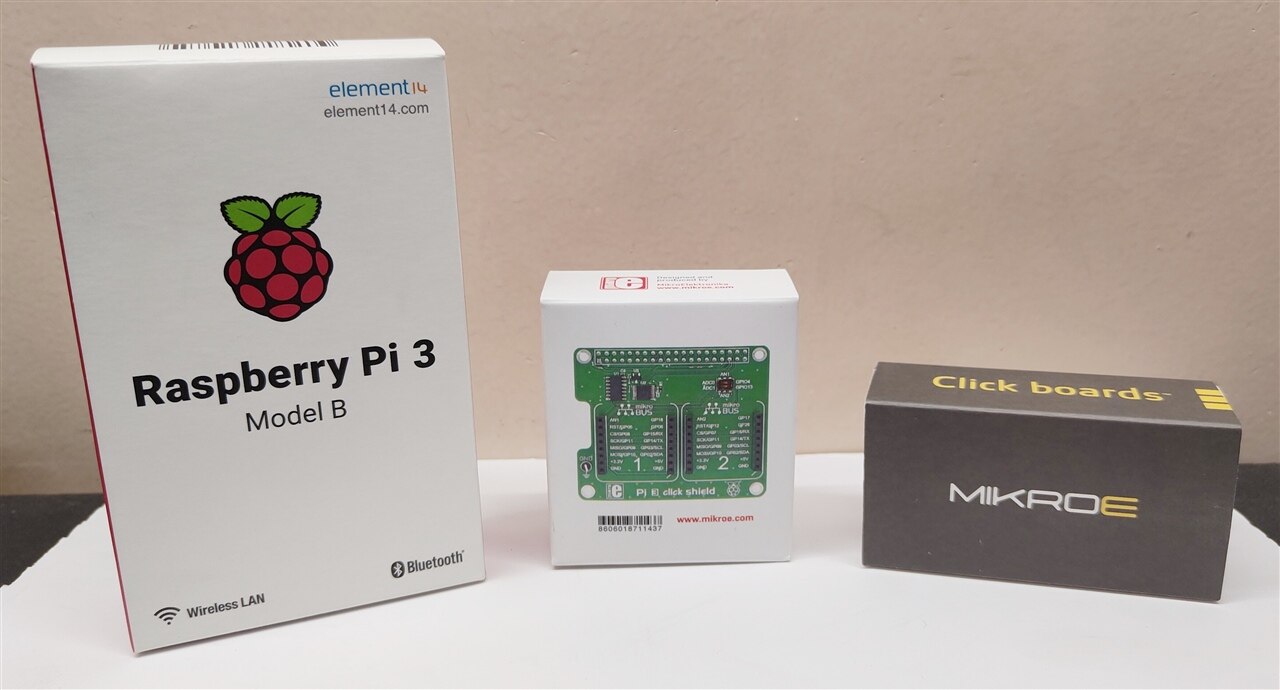
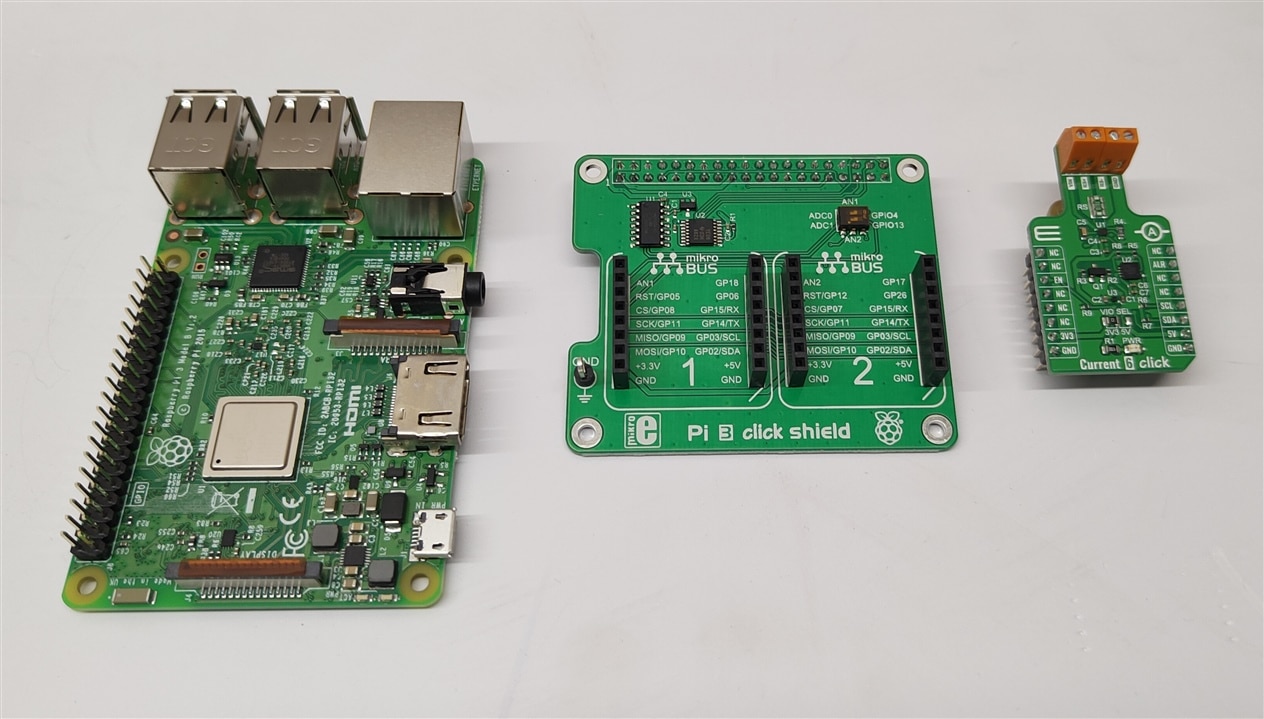
Testing The Raspberry pi and Current 6 click using Pi 3 click shield
According to the MikroE description the raspberry pi click shield is compatible with the raspberry pi 3 versions only. in this i have used Raspbian OS to get start with the design challenge.
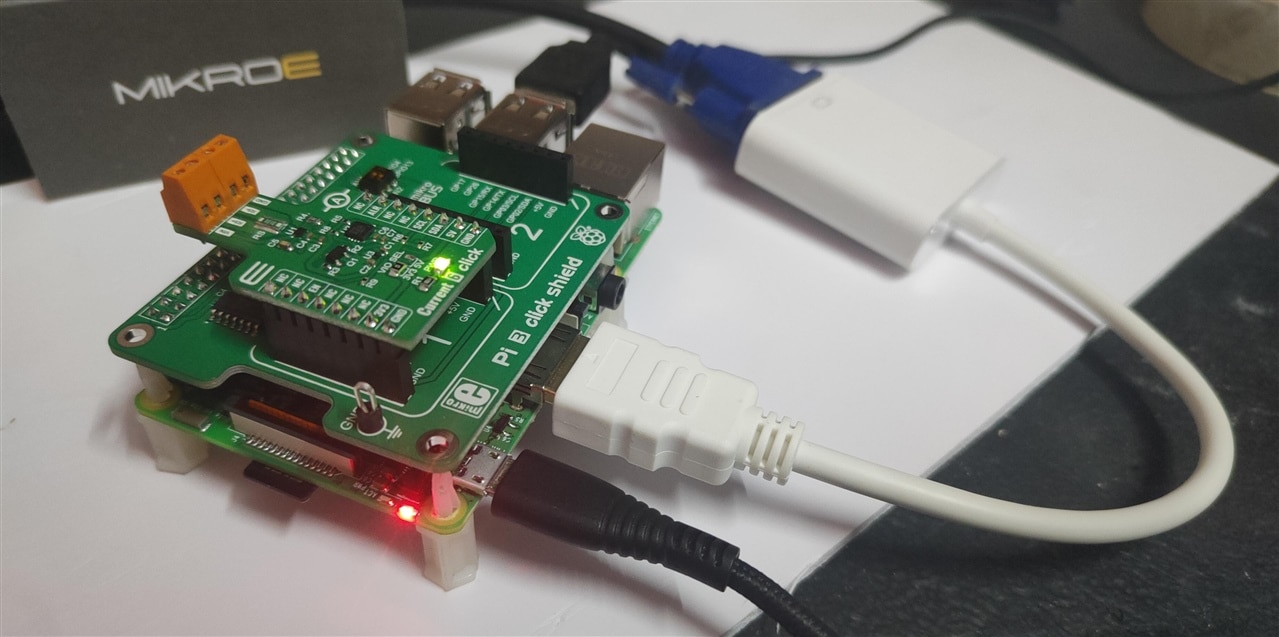
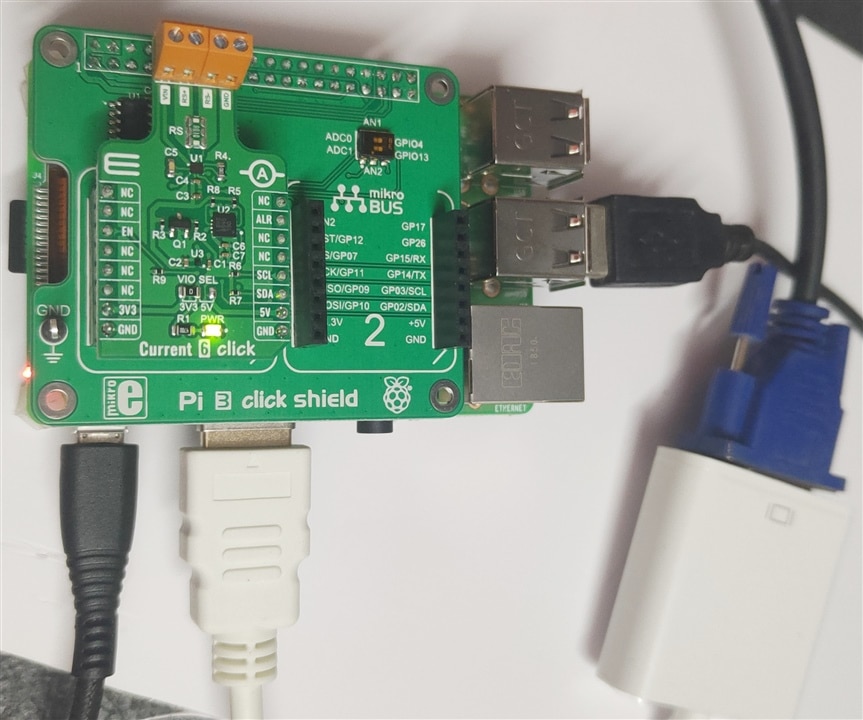
The communication interfaces of the Raspberry pi need to be enable after the fresh install of the Raspbian OS , To enable the I2C You have to go to Raspberry pi configuration -->> Interfaces -->>I2C.
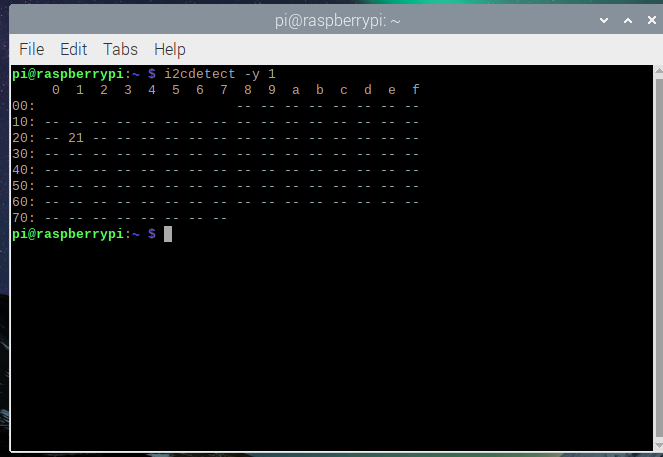
After attaching the Pi-3 click shield , Current 6 click to the raspberry pi we need to get confirm that the I2C Channel is enabled and working properly. to check the working Use the command i2cdetect ~y1 in the terminal. if the communication is active and working properly The I2C address of the MAX40080 will be visible on the screen. The MikroE current 6 click shield Default I2C address is 0X21, the address is visible on the screen as 21.
The Current 6 register list.
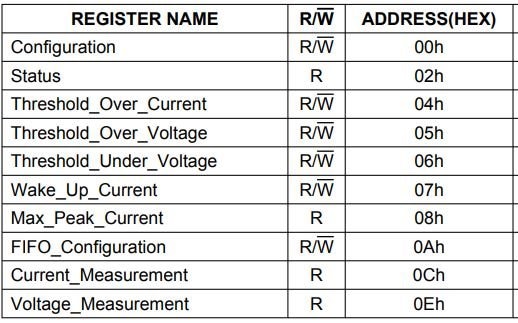
By using the Above MAX40080 Registers address i have executed the commands, and the Current 6 click is responding well. The details of the Results will be updated in the next blog.
Product details Links
Current 6 Click details can be found in the link current-6-click.
MAX40080 details can be found in the link https://www.maximintegrated.com/en/products/analog/amplifiers/MAX40080.html#tech-docs
Pi 3 click shield details can be found in the link https://www.mikroe.com/pi-3-click-shield
