


Introduction
Electropolishing is an electrochemical process which objective is create a bright polish finished surface in conductive materials. The following video of ASTRO PAK shows the processing product in a metal.
Video 1. Electropolishing process
This method allows homogeneous processing of the surface. Moreover, the actual process seeks a polished surface in order to depose structured materials to create stable and regular crystals along a lattice. One of the challenges is the temperature rising during the polishing process. Since the process requires an electrical current between electrodes, the low resistance in the materials has a quasi-short circuit and the temperature in the fluid increases. The process depends on the current flow, voltage between the electrodes and the low temperature in an electrolyte available in the processing cell.
Nowadays
The actual electropolishing station is functional and is available in ESIQIE-IPN, a university in Mexico. Despite the functional operation, the terminal requires data traceability and process automation. These are required since long usage of the terminal raises the temperature in the cooling system.
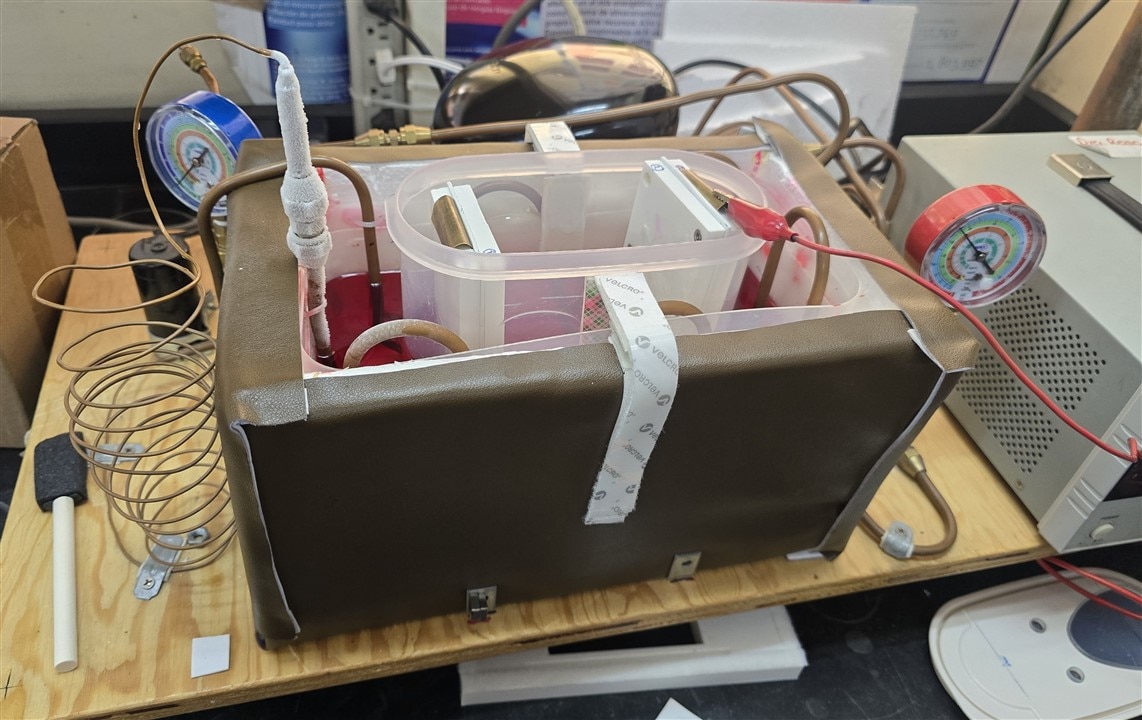
Figure 1. First electropolishing functional prototype
One of the parameters to meet is when to turn on and turn off the compressor to avoid over temperature in the motor. On the other hand, the compressor must be operative if the temperature is not in a functional low temperature. Both temperatures in the system must be observed, the heat exchanger and the electrolyte. The temperature profiles will describe how the cell temperature changes during the process.
If the cell does not work in the functional parameters, the polishing samples can be damaged.

Figure 2. Electropolishing defects due parameter divergence
Some of the parameters to work are current in the circuit, voltage in the cell, and temperature in the electrolyte. Furthermore, temperature observation is realized with an alcohol thermometer. The operator of the terminal must wait for the electrolyte achieves the temperature to start the operation; this requires additional assistance to activate and deactivate the current flow.
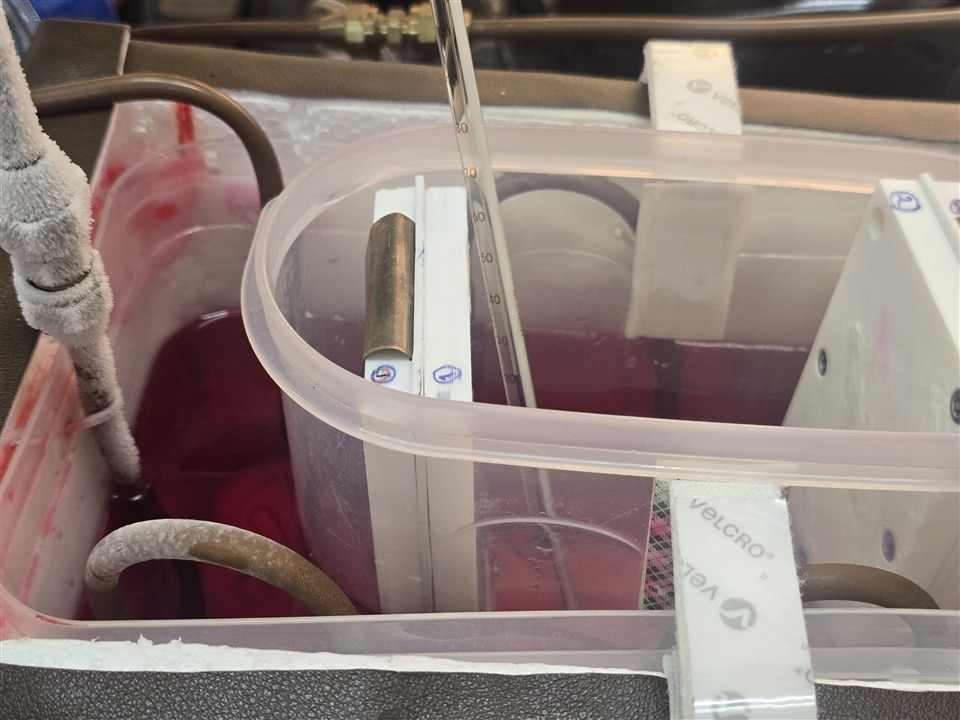
Figure 3. Temperature tracking for operation starting
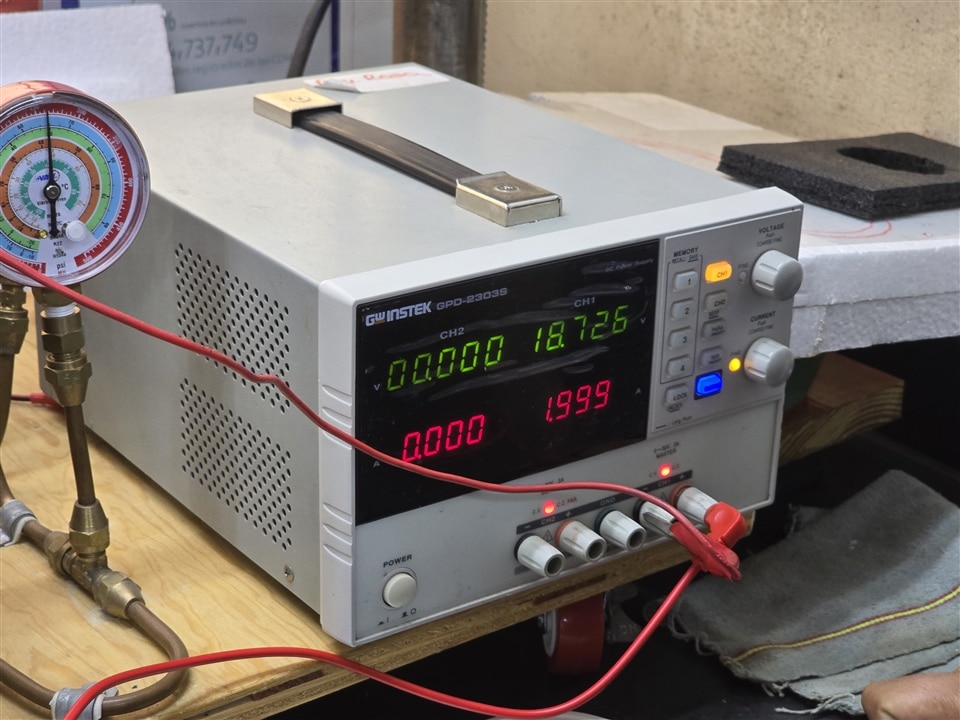
Figure 4. Electrical parameters for polishing
Only the cooling system requires about 30 minutes to reach the functional temperature. Once the cell has an acceptable temperature the current flow starts, the user stands for 6 minutes and stops the operation. This creates a polished surface, but it requires more process before the treatment.
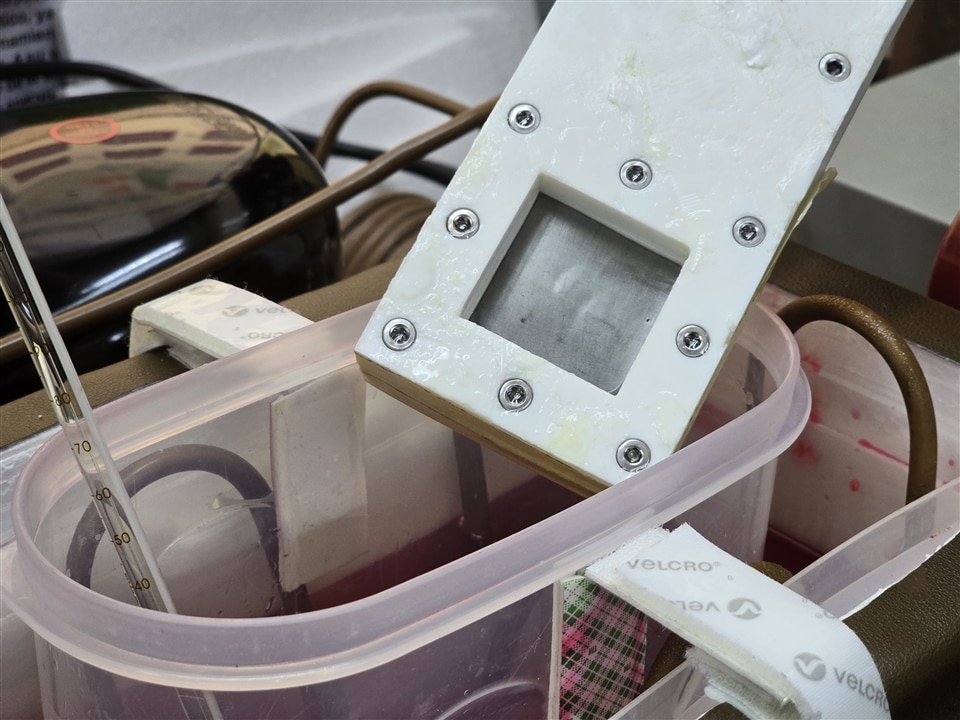
Figure 5. Aluminum sample without polising
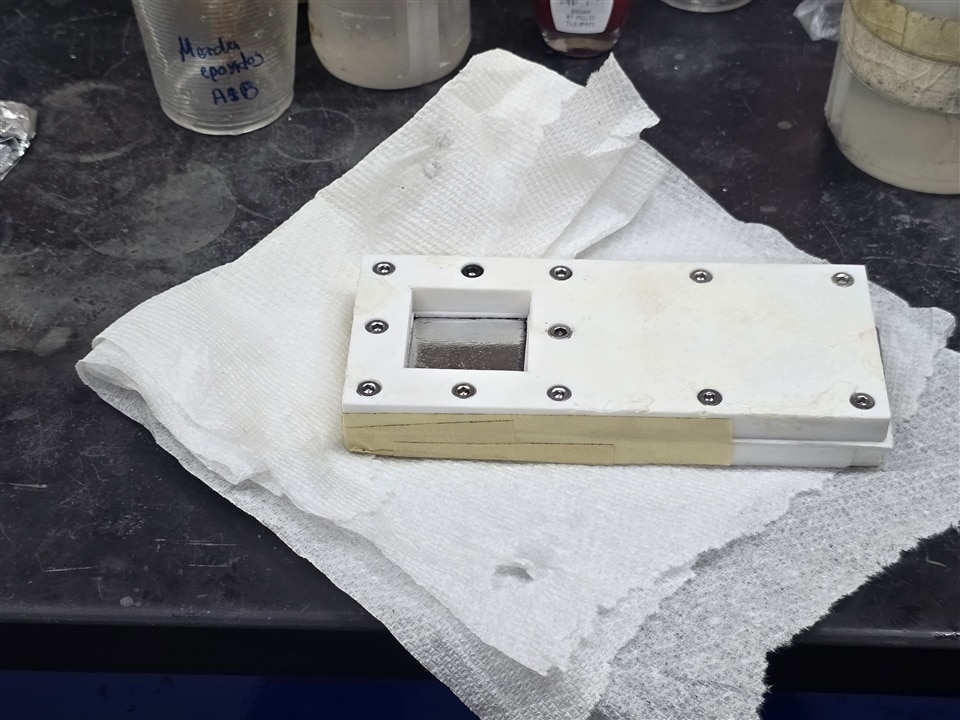
Figure 6. Aluminum sample after polishing process
The future
The challenge provided materials to work in the system incremental design. There are thermocouples to trace the temperature. But one of the challenges is have thermowell to avoid shot circuits and damage to the thermocouple. It is possible the signal conditioning by voltage/current transmitters or signal conditioner using PLC subsystems, but this could require additional communications as DeviceNet using CAN. On the other hand, temperature monitoring and decision taking will be aided by the Arduino UNO Q Board. Finally, the humidity sensor could track the refrigerant since it is composed of polyethylene glycol and distilled water (50%-50%) to avoid freezing in the thermal exchanger. We are ready to start new test and take new challenge to get a new polishing station.
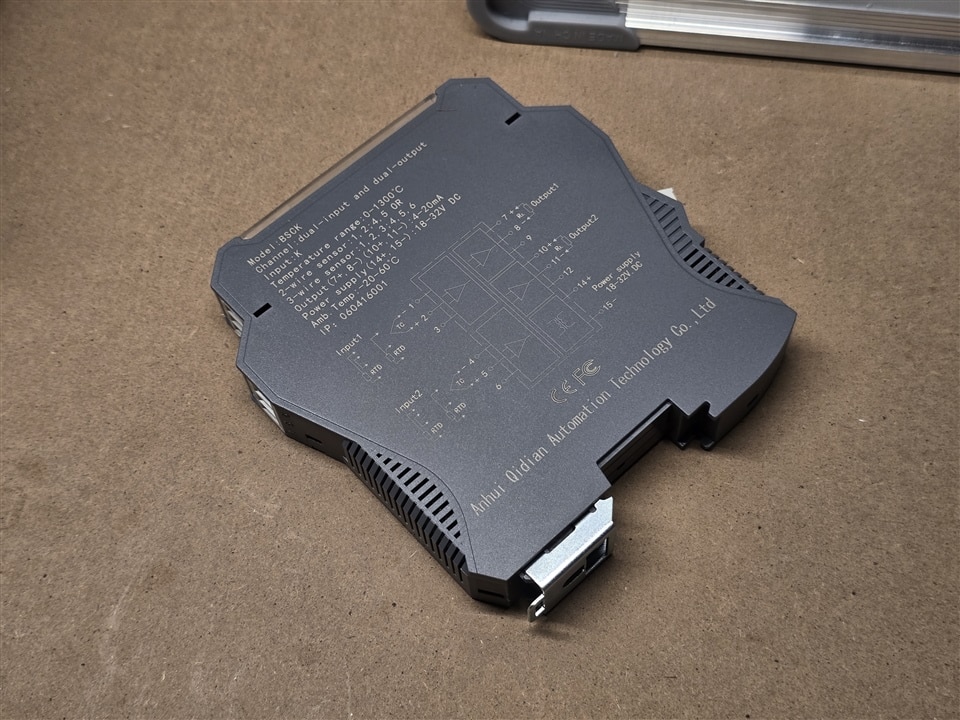
Figure 7. Temperature 4-20 mA transmitter
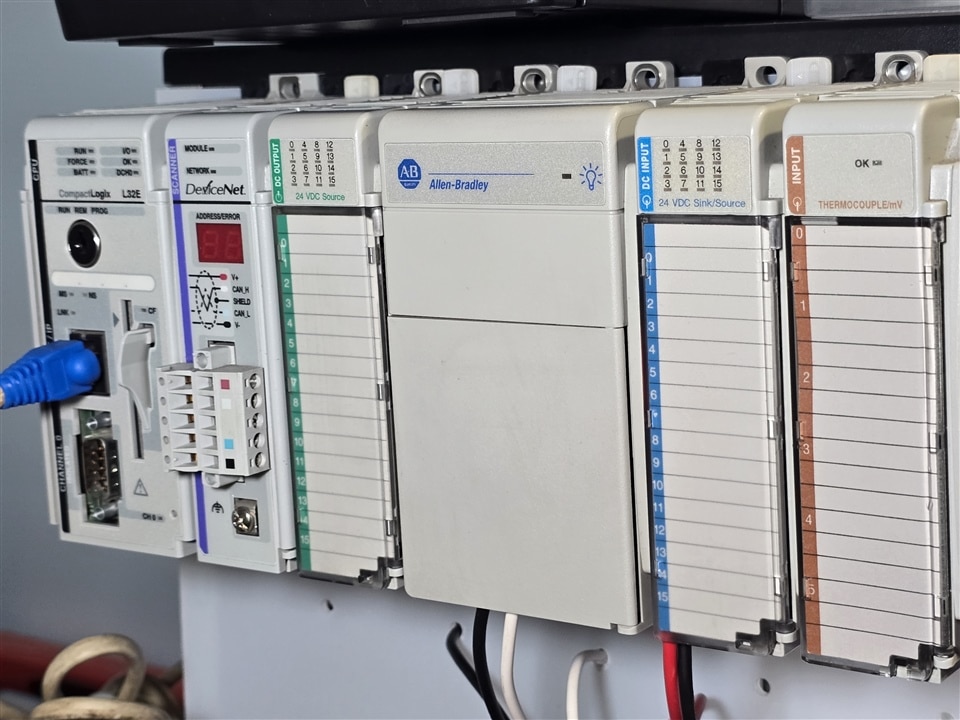
Figure 8. Allen Bradlyy PLC with Themocouple conditioner and DeviceNet transceiver


