


Introduction
For the newest setup it is required to have a cooling system to do temperature testing. This is achieved by integrating of new components in order to reproduce the results of the first system here and improve the system usability. A copper coil will be used to cover the electrolyte container and mount the thermocouples. Some of the necessary materials are a compressor, a condenser, a dry filter, and so on. Once the system is assembled, the thermocouples must be mounted to monitor the temperature. Despite the thermocouples are insulated, the bead and Chromel and Alumel in the sensing terminal are not. On the other hand, the fluids used in the process could damage the probe if it has overexposing conditions.

Figure 1. Materials for the newest setup
Methodology
To avoid this, the temperature probe is assembled on a thermowell. A thermowell is an accessory for the temperature probe that isolates the sensor from the environment. Unfortunately, the sensor bead and air inside the thermowell must interact with the thermocouple measurement. To prevent this, thermal paste is added to the thermowell to displace the air and facilitate thermal coupling.
| {gallery}Thermal coupling |
|---|
|
|
|
|
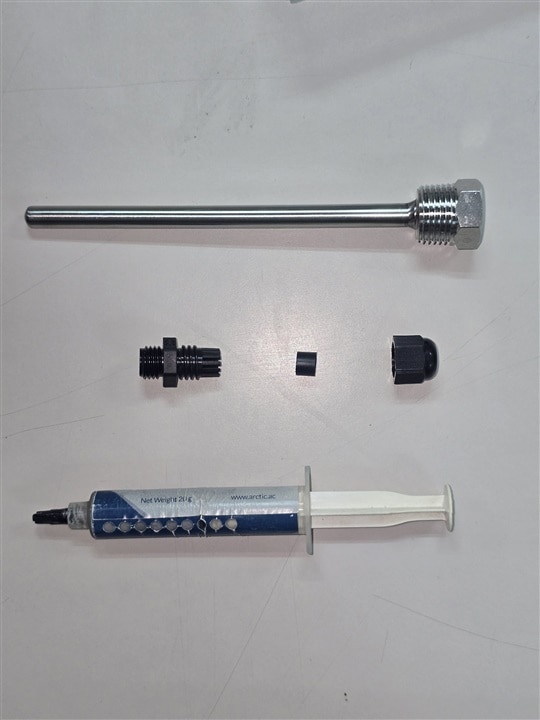
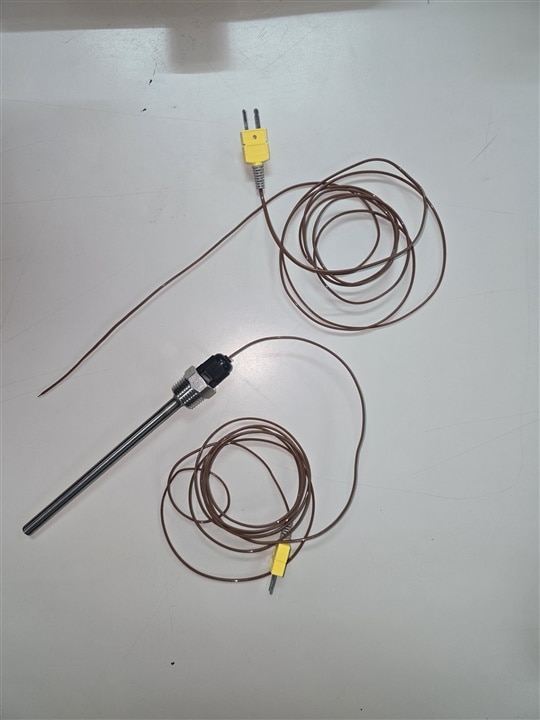
Figure 2. Thermowell assembly for environmental insulated measurements
Currently, the Arduino UNO Q operates with a power consumption of about 2.5 W. Initially, we used a 13-port USB hub to connect the accessories and power adapter. However, this configuration caused the board to reboot and produce errors during continuous usage. The initial hypothesis was that excessive port usage caused a peak current or memory access violation. Consequently, a hub with fewer ports than the original was used. This time, a hub with five ports has better stability over time. The available ports on the hub are HDMI, two USB-A ports, an Ethernet connection, and a USB-C power supply connection.
| {gallery}GUI captures |
|---|
 |
 |
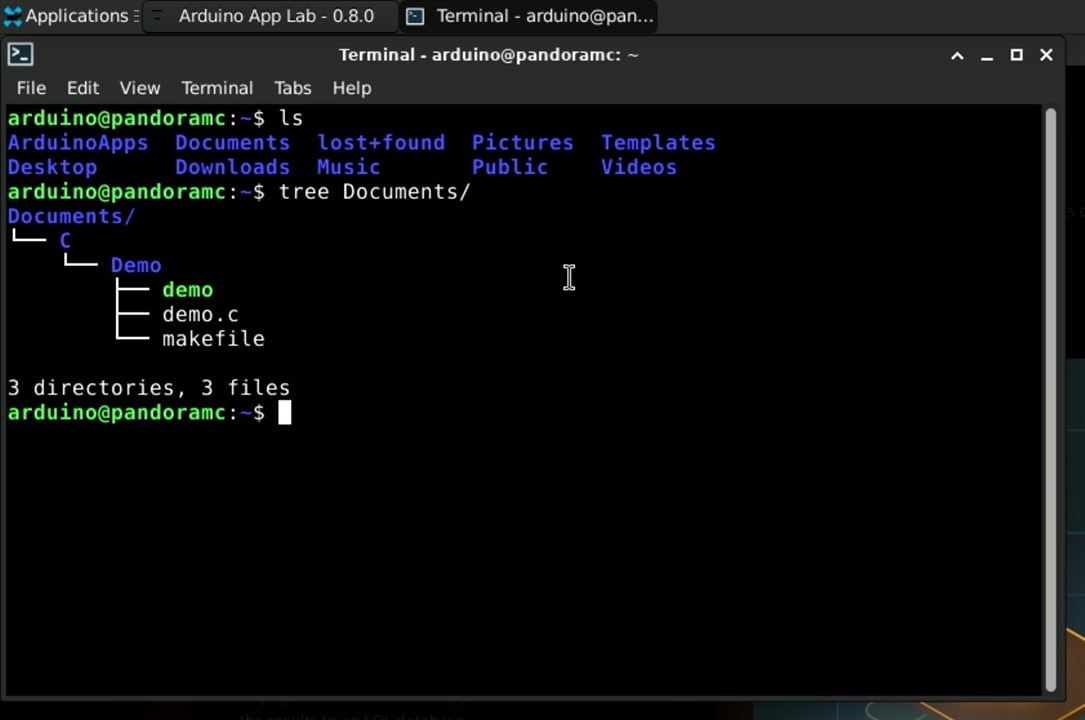 |
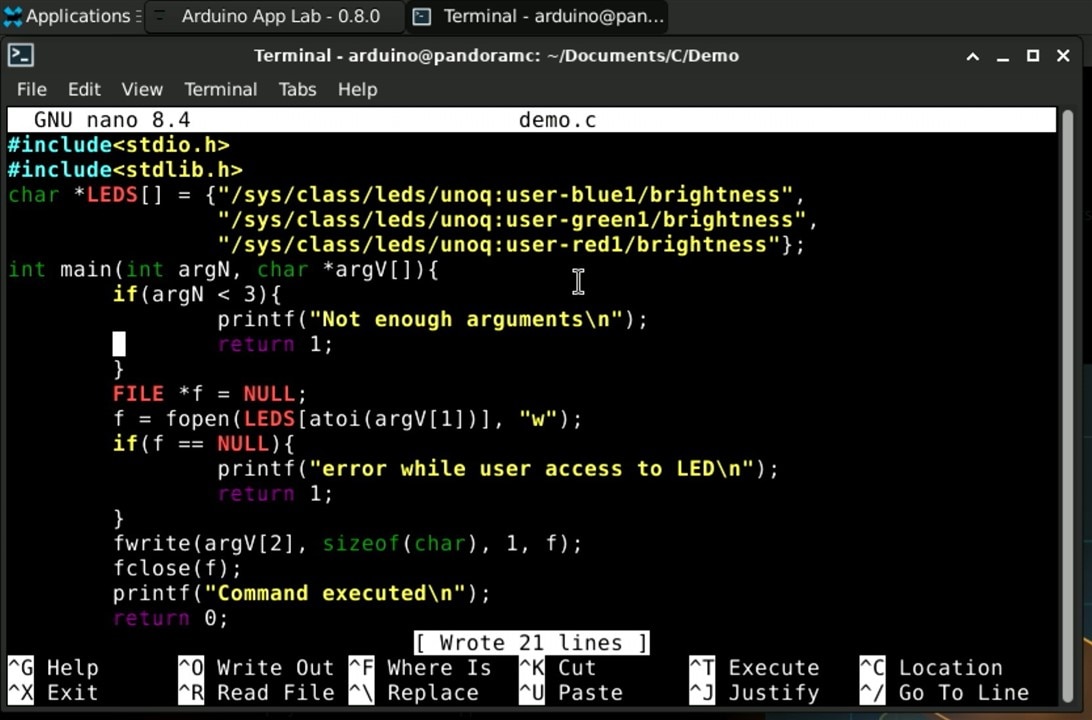
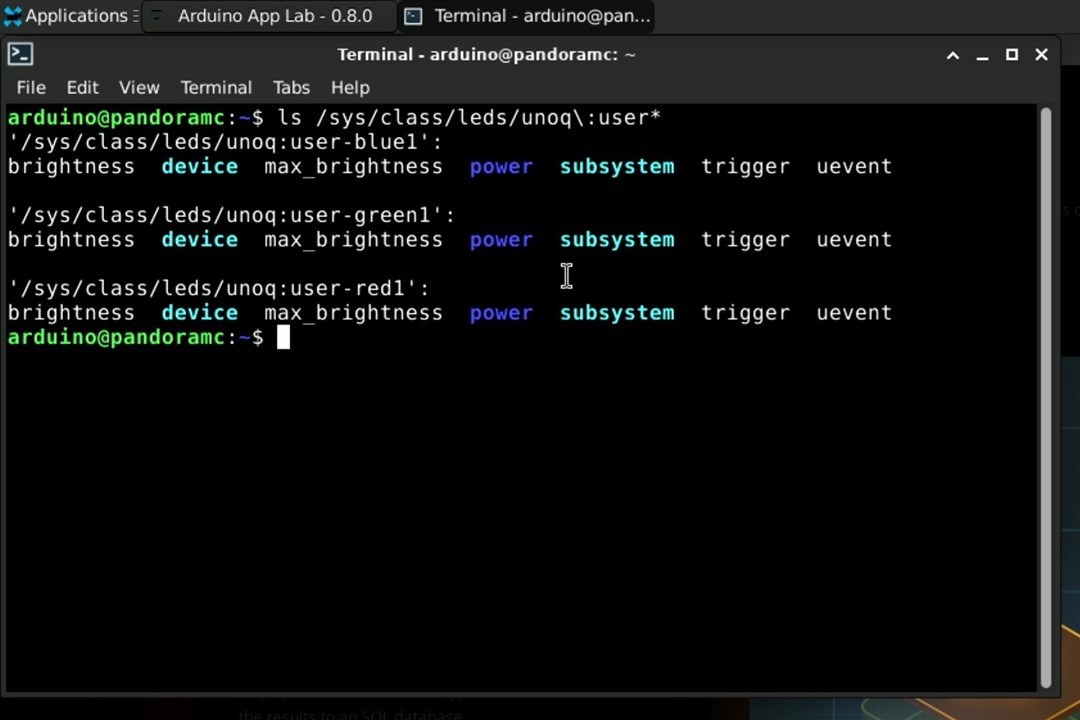
Figure 3. GUI terminal captures of past development
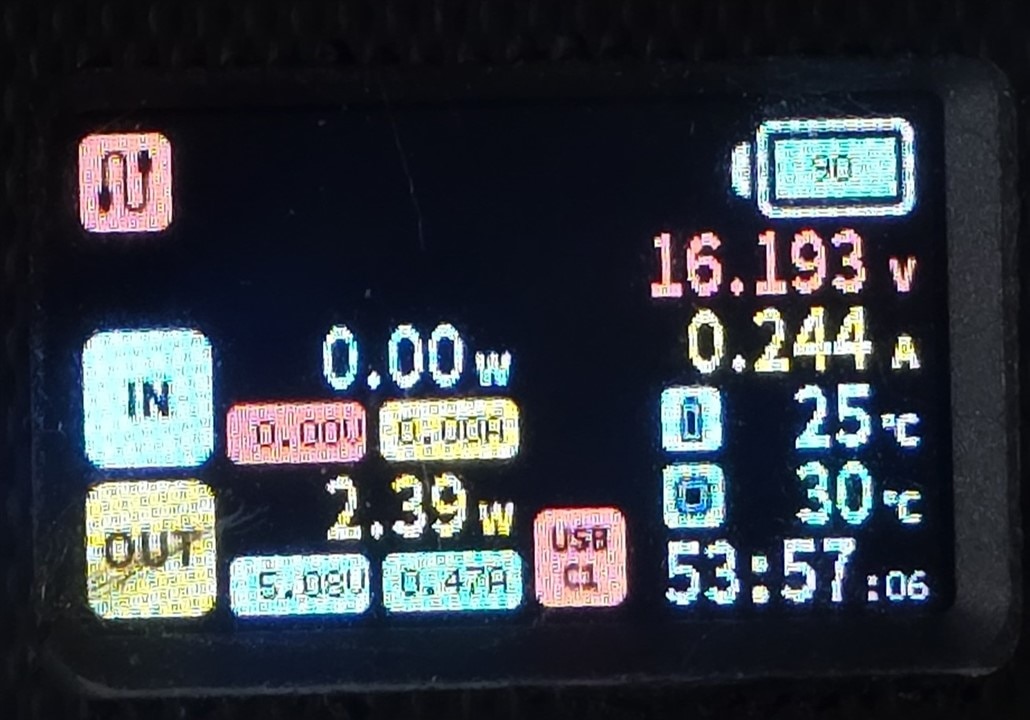
Figure 4. Power measurement from power supply
The future
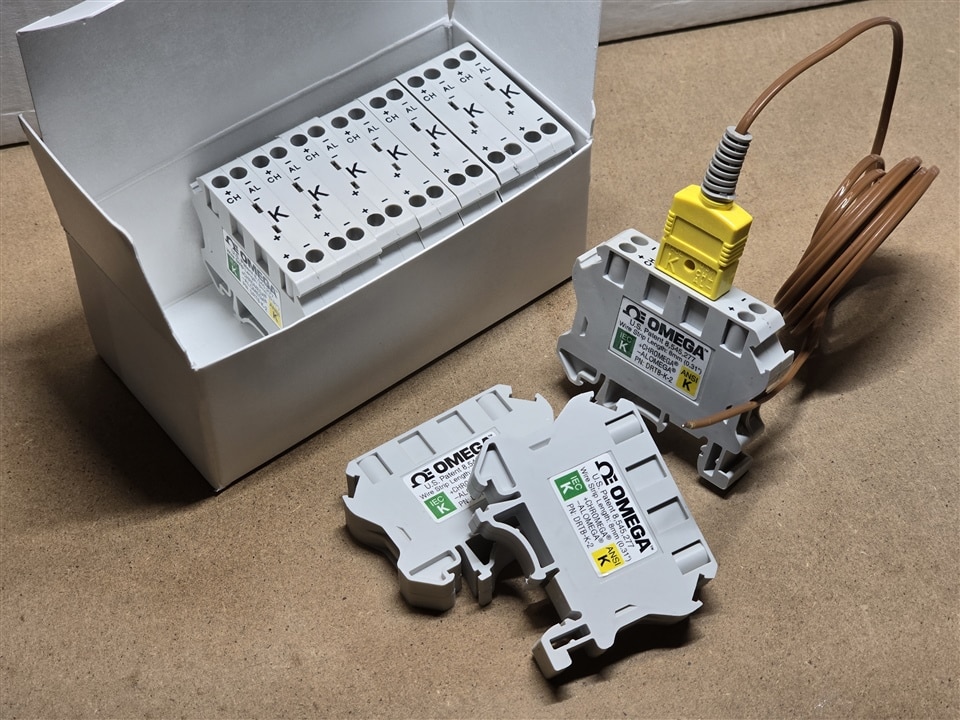
This setup provides access to the board through a graphical user interface. Developers interacts with the Arduino App Lab to create new applications using Python for the Linux interface and Arduino code for the microcontroller system. Now, a new challenge has been reached, how to interact with thermocouples? Thermocouples have a low voltage response to temperature, and the usage of different wiring systems could create new cold junctions in the measurement system. To mitigate this issue, special wires are required, such as K-type thermocouple extenders and/or compatible thermoblocks to avoid interference with the measurement. Hoever, this is a quite complicated situation since the temperature transmission system only guarantees the measurement for temperatures above 0°C(32 °F). This is according to the polynomial function implemented in the conditioning blocks. For our purposes, we need to measure temperatures below the mentioned temperature. At this moment, we can transmit the temperature using an interesting setup using Omega products, but it is still being tested.
| {gallery}Connections |
|---|
 |
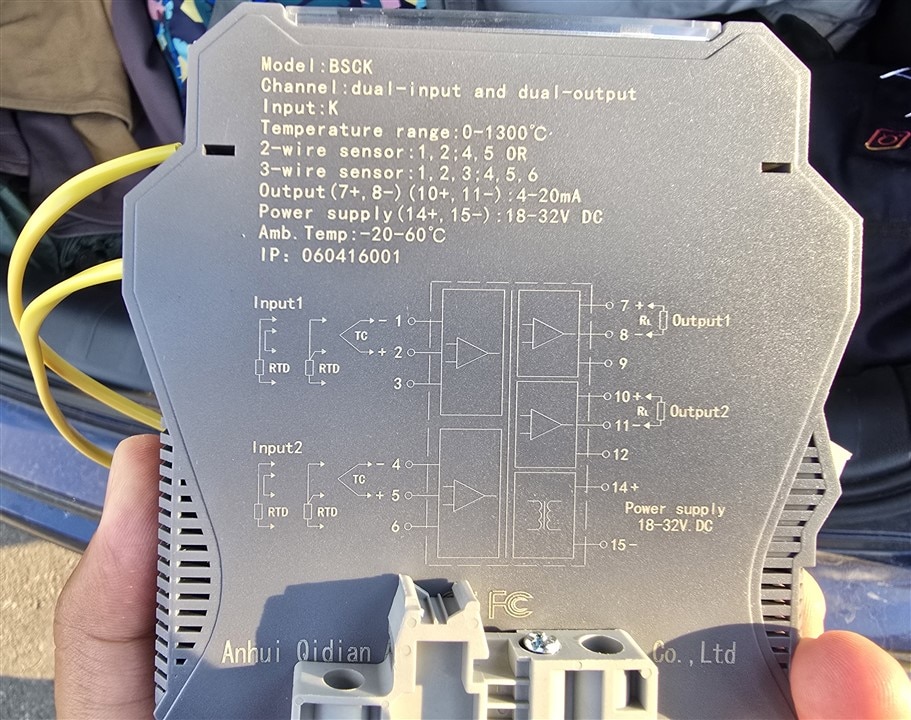 |
Figure 5. Building blocks for the temperature measurement


