element14 Community
element14 Community
    Register Log In
  • Site
  • Search
  • Log In Register
  • Community Hub
    Community Hub
    • What's New on element14
    • Feedback and Support
    • Benefits of Membership
    • Personal Blogs
    • Members Area
    • Achievement Levels
  • Learn
    Learn
    • Ask an Expert
    • eBooks
    • element14 presents
    • Learning Center
    • Tech Spotlight
    • STEM Academy
    • Webinars, Training and Events
    • Learning Groups
  • Technologies
    Technologies
    • 3D Printing
    • FPGA
    • Industrial Automation
    • Internet of Things
    • Power & Energy
    • Sensors
    • Technology Groups
  • Challenges & Projects
    Challenges & Projects
    • Design Challenges
    • element14 presents Projects
    • Project14
    • Arduino Projects
    • Raspberry Pi Projects
    • Project Groups
  • Products and Partners
    Products and Partners
    • Arduino
    • Avnet & Tria Boards Community
    • Dev Tools
    • Manufacturers
    • Multicomp Pro
    • Product Groups
    • Raspberry Pi
    • RoadTests & Reviews
  • About Us
    About the element14 Community
  • Store
    Store
    • Visit Your Store
    • Choose another store...
      • Europe
      •  Austria (German)
      •  Belgium (Dutch, French)
      •  Bulgaria (Bulgarian)
      •  Czech Republic (Czech)
      •  Denmark (Danish)
      •  Estonia (Estonian)
      •  Finland (Finnish)
      •  France (French)
      •  Germany (German)
      •  Hungary (Hungarian)
      •  Ireland
      •  Israel
      •  Italy (Italian)
      •  Latvia (Latvian)
      •  
      •  Lithuania (Lithuanian)
      •  Netherlands (Dutch)
      •  Norway (Norwegian)
      •  Poland (Polish)
      •  Portugal (Portuguese)
      •  Romania (Romanian)
      •  Russia (Russian)
      •  Slovakia (Slovak)
      •  Slovenia (Slovenian)
      •  Spain (Spanish)
      •  Sweden (Swedish)
      •  Switzerland(German, French)
      •  Turkey (Turkish)
      •  United Kingdom
      • Asia Pacific
      •  Australia
      •  China
      •  Hong Kong
      •  India
      •  Japan
      •  Korea (Korean)
      •  Malaysia
      •  New Zealand
      •  Philippines
      •  Singapore
      •  Taiwan
      •  Thailand (Thai)
      •  Vietnam
      • Americas
      •  Brazil (Portuguese)
      •  Canada
      •  Mexico (Spanish)
      •  United States
      Can't find the country/region you're looking for? Visit our export site or find a local distributor.
  • Translate
  • Profile
  • Settings
element14's The Ben Heck Show
  • Challenges & Projects
  • element14 presents
  • element14's The Ben Heck Show
  • More
  • Cancel
element14's The Ben Heck Show
Forum Getting More out of USB Car Chargers
  • Blog
  • Forum
  • Documents
  • Polls
  • Files
  • Members
  • Mentions
  • Sub-Groups
  • Tags
  • More
  • Cancel
  • New
Join element14's The Ben Heck Show to participate - click to join for free!
Actions
  • Share
  • More
  • Cancel
Forum Thread Details
  • Replies 3 replies
  • Subscribers 31 subscribers
  • Views 830 views
  • Users 0 members are here
  • charging
  • hack
  • usb
  • phone
  • mobile
Related

Getting More out of USB Car Chargers

colecago
colecago over 14 years ago

From my blog- http://blog.colecago.com/?p=221


I've done this little "hack" twice now and figured others would benefit from it as well.


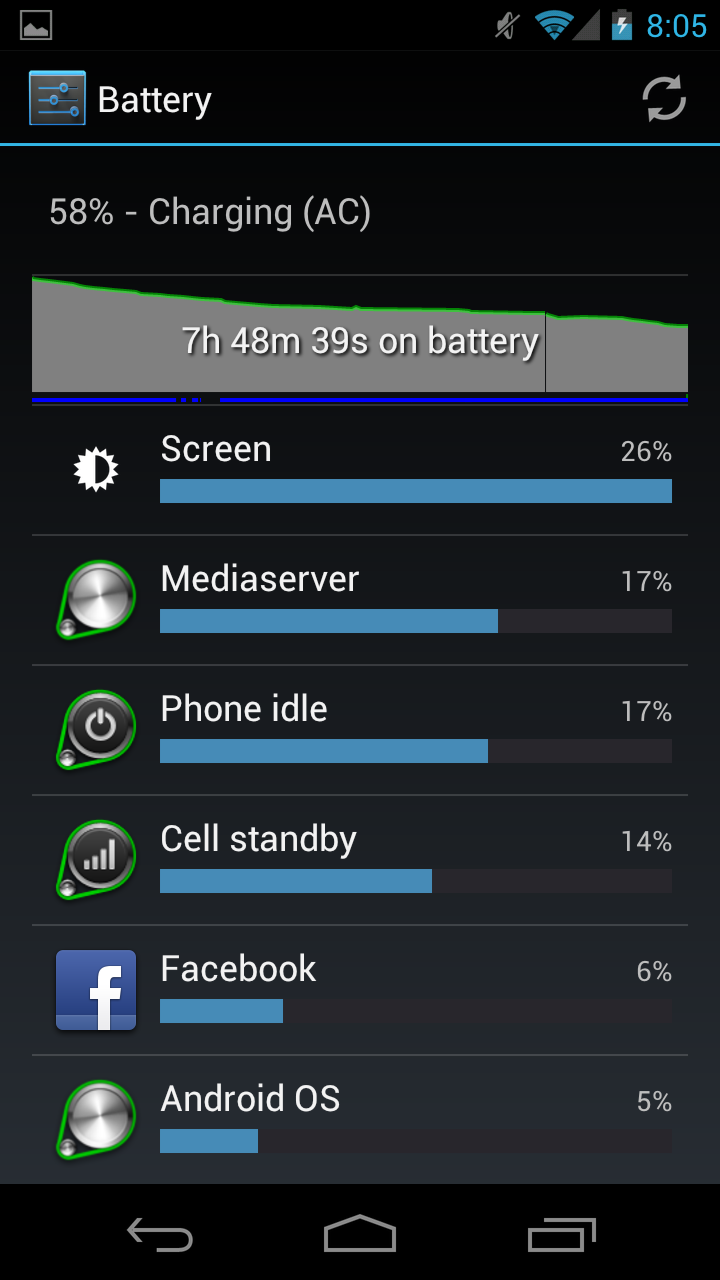
Have you ever noticed your phone/tablet charges slower from USB than from the wall socket?  Many of these devices have a USB charging mode and an AC charging mode.  This is because USB has a limit to what current it can supply unless the device negotiates with the port for more current.

image

image


USB car chargers can usually supply more current than the standard USB charging level, but if your device thinks its charging from USB instead of from an AC adapter it will only charge at the lower rate.  So how do you trick it into thinking its hooked to an AC adapter?


Well, that's pretty easy.  For most mobile devices nowadays, short the USB Data- and Data+ pins together.  Apple has their own methods using specific voltage levels on those pins.  For an example for an iOS device, see Ben Heck's Universal Wall Wart episode.


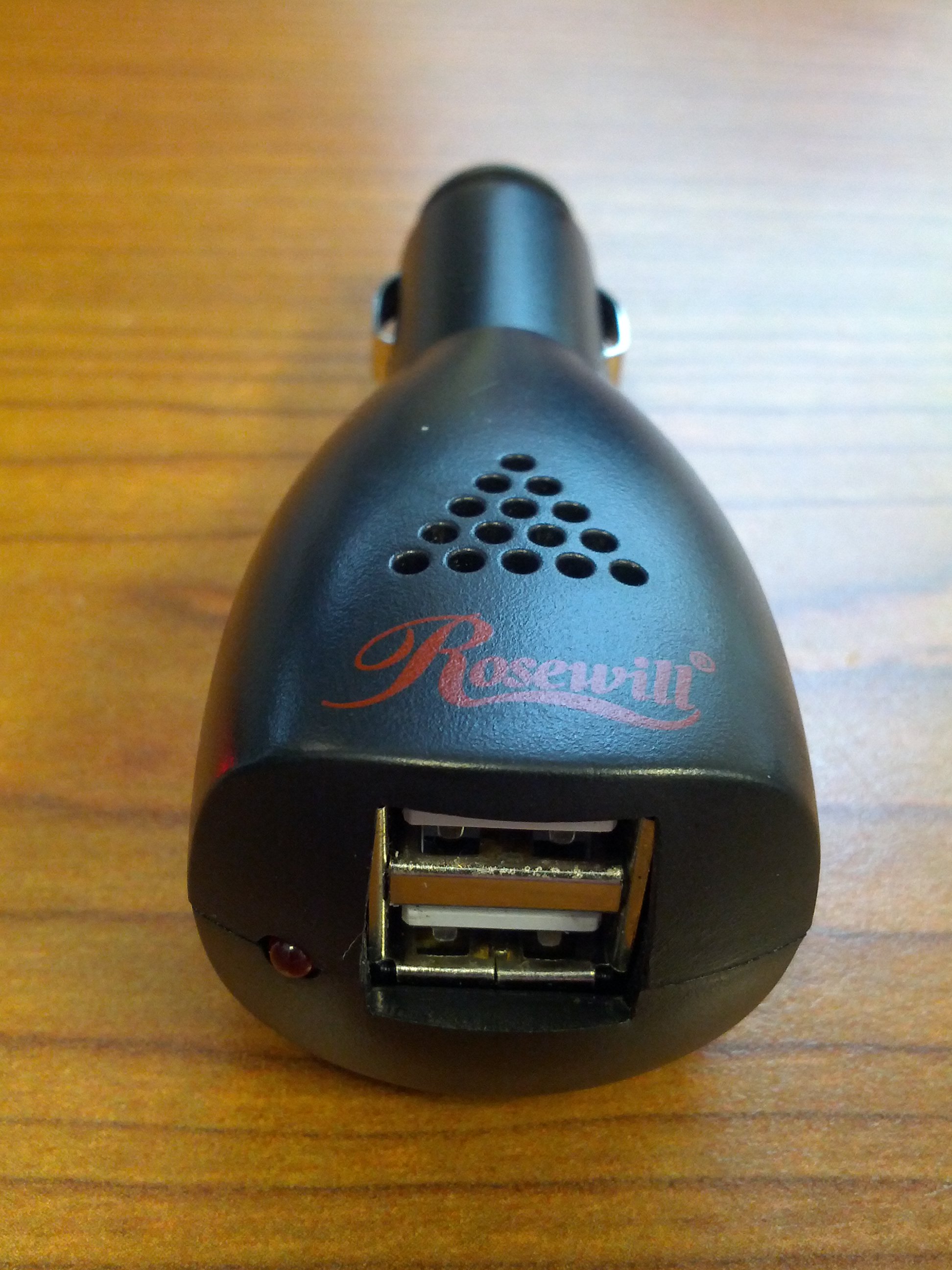
First, here is my charger, it is manufactured by Rosewill, I bought it from Newegg
image


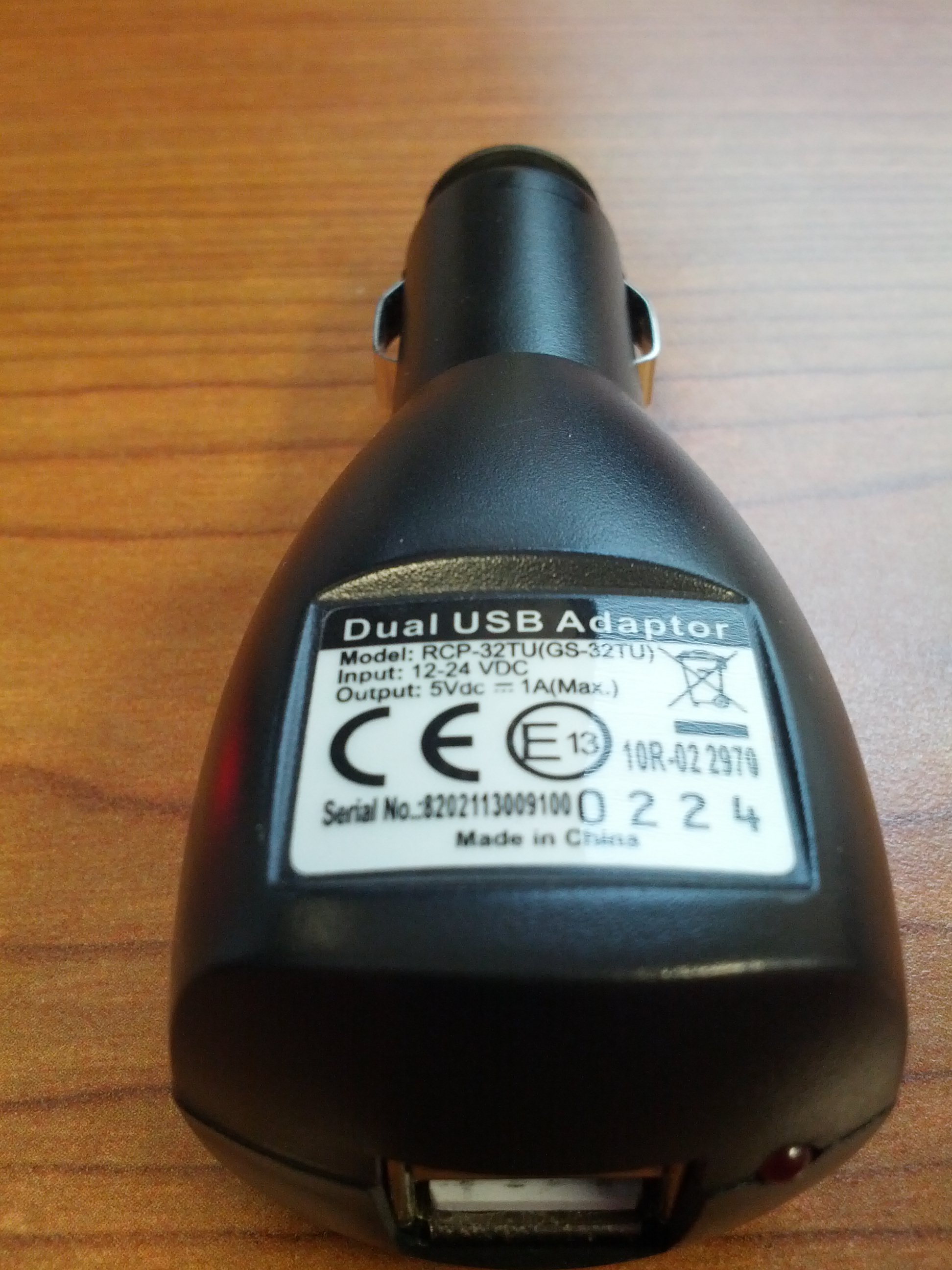
There are two USB ports and the charger says it supports up to 1A total
image


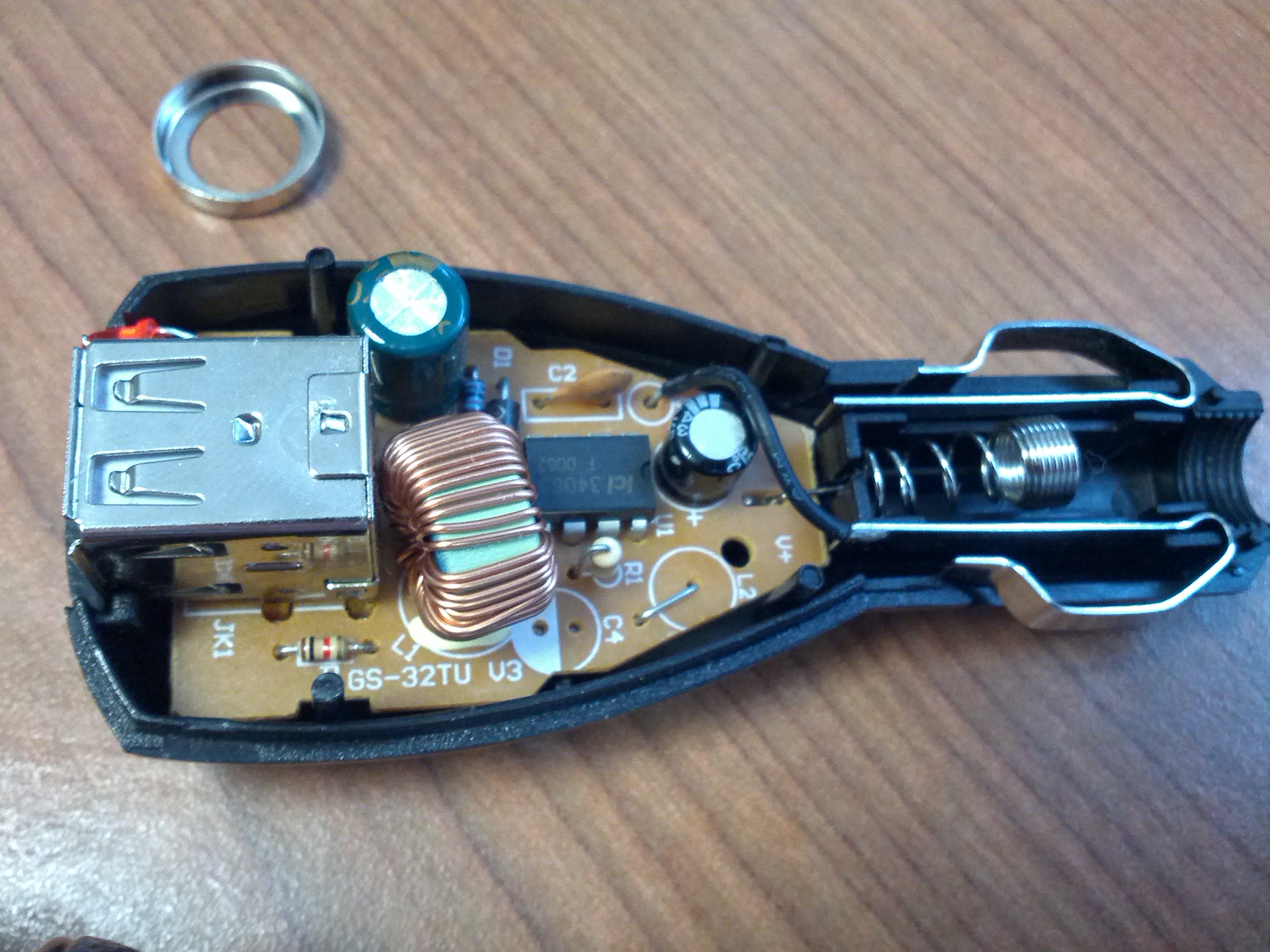
I took the charger a part and this is what was inside
image


It is a basic switching circuit, probably a buck topology as your car battery is always (hopefully) going to be higher than your USB voltage.  A fuse was contained on the front end.  More info about buck converters here

http://en.wikipedia.org/wiki/Buck_converter


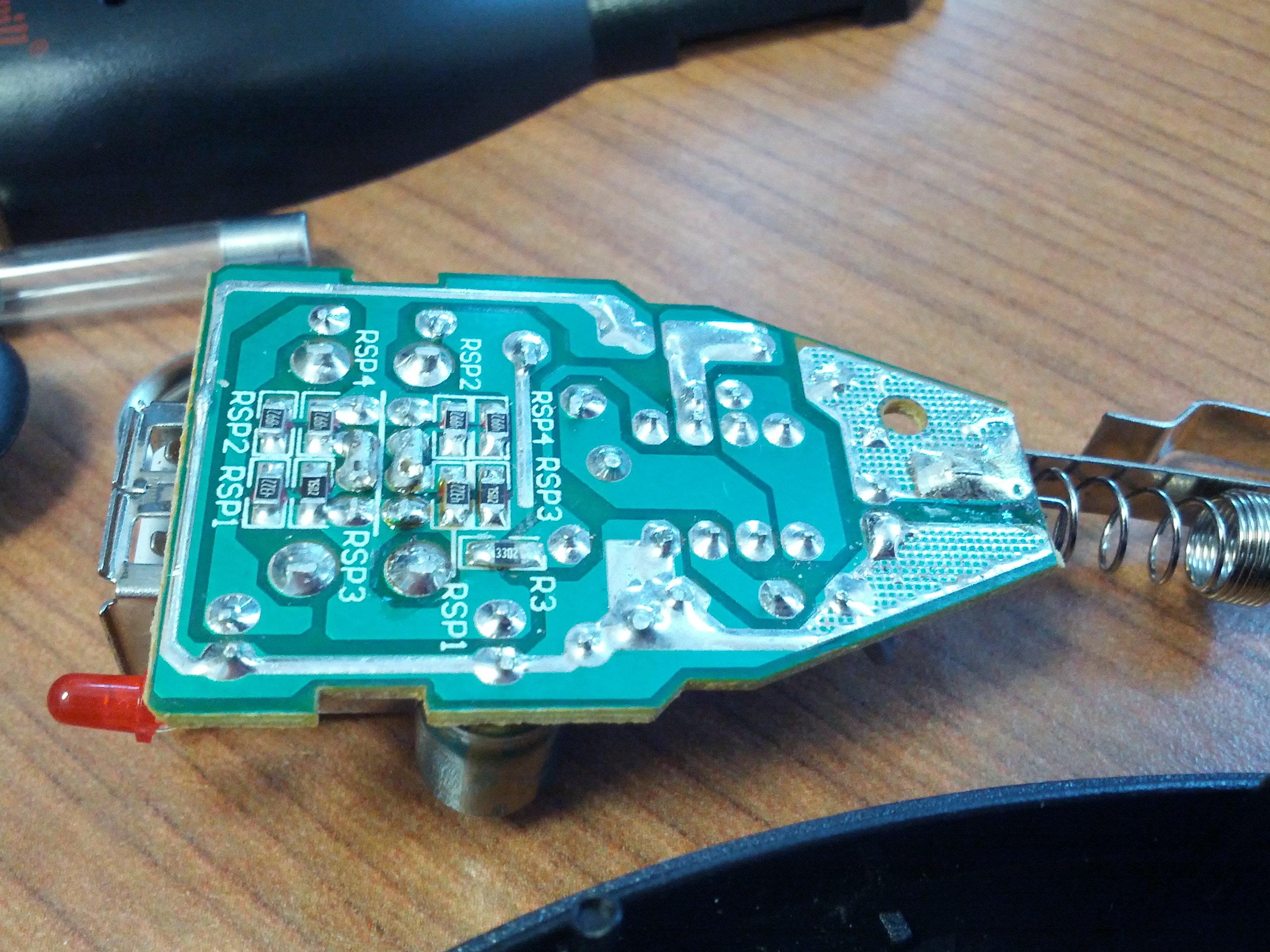
What I'm interested in is the bottom of the board, where the USB connector is soldered
image

I shorted the Data+ and Data- pins together as you can see above.  I also tried removing the resistors near the pins but they are glued to the board.  I think those are the resistors for iOS devices I mentioned earlier.  After looking at them, I can see their values are high, about a 52k equivalent resistance across the 5V and GND lines, meaning very minimal current draw because of them, so I can leave them in.


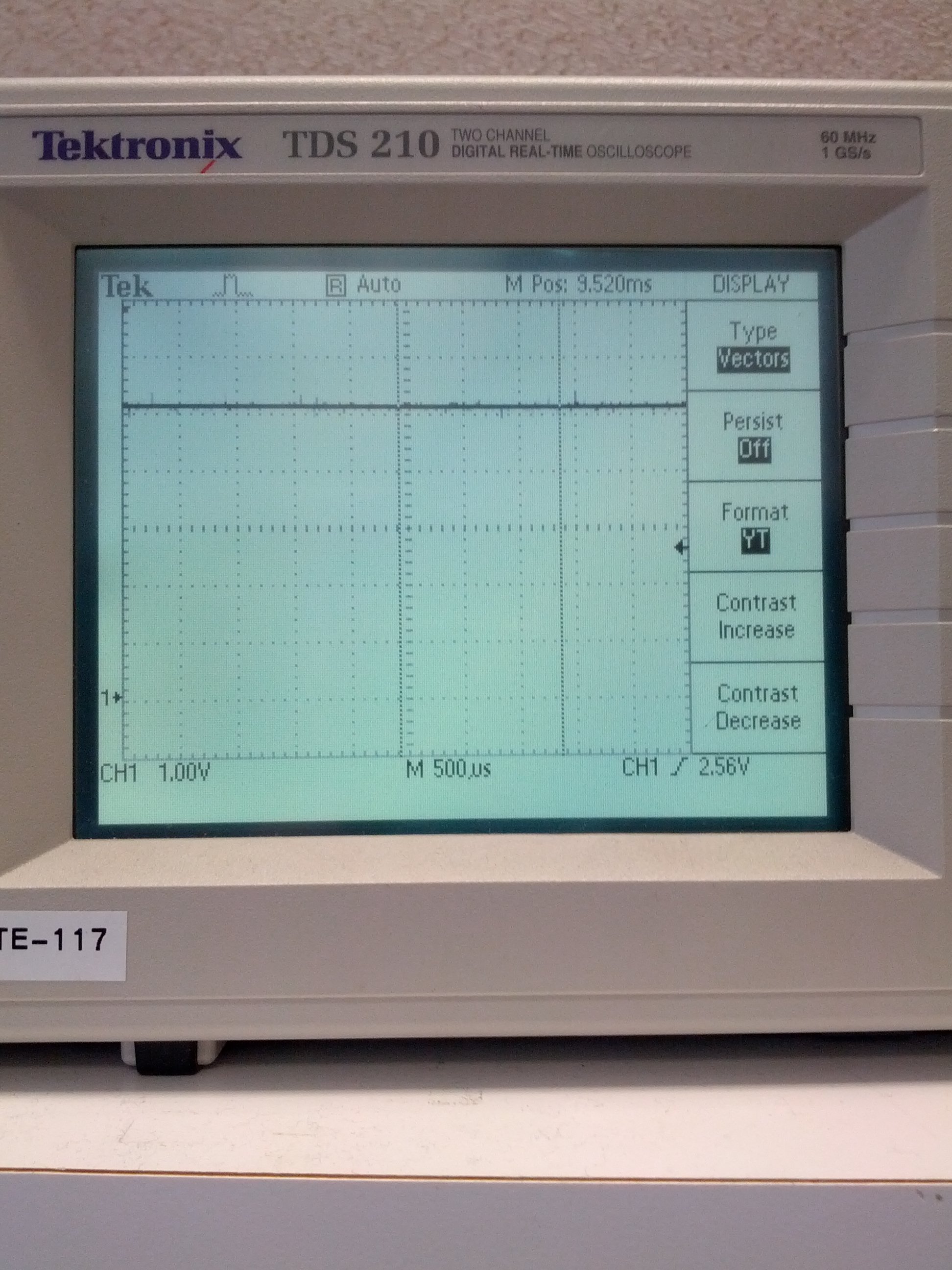
I tested the device before and after, and before I achieved about 200mA of charging current.  Afterwards, I achieved 400-500mA.  I'm guessing each channel can do a maximum of 500mA to get the 1A total.  I also checked the voltage level it was supplying.  Many of these cheaper chargers are super noisy, here is a scope picture
image

Pretty good clean signal.  Also, I should take a scope picture class so I remember to actually have some useful info on the right side of the scope and not the display controls :-D


I've done this once before with similar results.  It's a great way to get more out of your USB car chargers, especially if your phone is a battery hog like my Galaxy Nexus, that before could drain the battery while charging if using navigation.  Now I can at least break even, and maybe even get a charge.

  • Sign in to reply
  • Cancel
  • e14 Contributor
    e14 Contributor over 14 years ago

    You could use a step up regulator to double the voltage and use a peltier unit to make a cup holder sized Can cooler       like bens super can cooler project. That would properly be the best thing you could buy for your car at a automotive store :)

    • Cancel
    • Vote Up 0 Vote Down
    • Sign in to reply
    • Cancel
  • colecago
    colecago over 14 years ago in reply to e14 Contributor

    That would be kind of redundant, you get 12V from the car battery as it is, you could use that vs stepping down and stepping back up.  But a can cooler would be pretty neat.

    • Cancel
    • Vote Up 0 Vote Down
    • Sign in to reply
    • Cancel
  • fustini
    fustini over 14 years ago

    Very interesting!  thanks for posting this tip.

    • Cancel
    • Vote Up 0 Vote Down
    • Sign in to reply
    • Cancel
element14 Community

element14 is the first online community specifically for engineers. Connect with your peers and get expert answers to your questions.

  • Members
  • Learn
  • Technologies
  • Challenges & Projects
  • Products
  • Store
  • About Us
  • Feedback & Support
  • FAQs
  • Terms of Use
  • Privacy Policy
  • Legal and Copyright Notices
  • Sitemap
  • Cookies

An Avnet Company © 2026 Premier Farnell Limited. All Rights Reserved.

Premier Farnell Ltd, registered in England and Wales (no 00876412), registered office: Farnell House, Forge Lane, Leeds LS12 2NE.

Follow element14

  • X
  • Facebook
  • linkedin
  • YouTube