


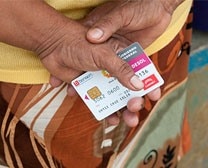
Better Than Cash Alliance promotional image
Electronic-cash (or E-cash) monetary systems could be implemented in the majority of third-world nations if accepted by their respective governments through the ‘Better Than Cash Alliance.' The Alliance is a conglomerate of institutions that include the UNCDF (U.N. Capital Development Funds), the Bill & Melinda Gates Foundation, USAID, Citi and others. The group has recently launched their ‘digital-payment’ initiative in an effort to fight poverty and create ‘assets’ as well as ‘financial-inclusion’ (the ability to interact with world banks) with the rest of the world. Their aim is intended on breaking the cash-only cycle and provide transparency (monetary monitoring), which they state, is a leading cause of poverty and using cash currencies often leads to corruption and can put those carrying the cash in harm’s way.
The Alliance states that they will provide technical assistance to those governments who choose to adopt the initiative which will give low-income persons without accounts, access to Banks, ATM’s and online financial transactions. Ultimately, the Alliance’s end-goal is to create economic development and new market access thereby creating a stable economy with the opportunity for growth in both local and foreign markets. So far, the adoption of the Better Than Cash system has been accepted by the respective governments of Peru, Columbia, Kenya and the Philippines with more expected to sign-on. The question is; can this initiative truly be beneficial for those stricken by poverty in third-world nations?

The real currency, a harsh truth. Ethnic violence in Kenya. (via firstpost)
In a word: Yes. In an ideal world, the implementation of the "Better Than Cash" (BTC) system of digital currency could, and indeed can, create a platform of stability and financial growth for people who live in poverty of third-world countries. The opportunity of investment in a global market alone could reap a financial windfall for those governments eager to create an improved society. Technology could be the tool that can be a catalyst for the elimination of impoverished societies. But, that’s in an ideal world and unfortunately for most of the 2.6 billion people who live on less than $2 US a day, an ideal world won’t likely come anytime soon.
The fact that the global economies of most rich nations are hanging by a thread is certainly an indication that most poor countries will most likely have a stymied economic growth projection, if any at all. The truth of the matter is that most of the nations that would benefit from the BTC system have incredibly corrupt governments, ethnic violence and relatively no infrastructure to make the system effective. Most of the families in these countries work for pocket change, hawking wares or fruits and vegetables, relying on hard-cash to get them through the day much less the week. Most of those people will never acquire jobs that provide a paycheck due to the lack of education.
It’s more likely that providing the BTC system would give the corrupt governments increased power over their citizens through efficient financial control, which usually leads to increased violence and civil war. It would make better sense for foreign governments to forgive the debts from third-world countries, and empower the people to remove their own corrupted governments to help lift them from poverty. Unfortunately, greed will still flourish in those developing nations, and until that’s eliminated no amount of technology will provide them the financial stability needed for the elimination of poverty.
Cabe