


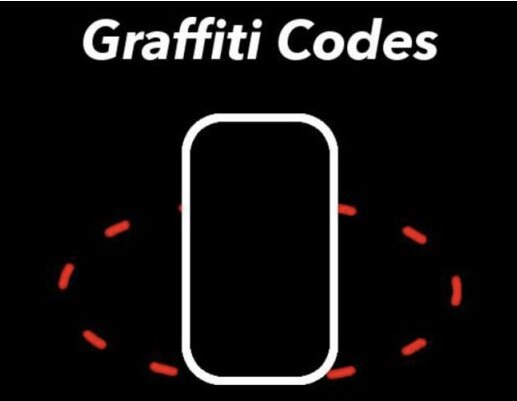
Promo image. No examples of the QR code in action yet. (via MIT)
The MIT Media Lab’s Viral Spaces is exploring many new, innovative ways of communicating using smartphones, peripheral devices and interesting applications. From bartering to communicating with visible light, the Media Lab is transforming the physical space that immerses us to a form that is more useful and ripe for understanding.
A project called Graffiti Codes, is transforming the way we can access data by drastically changing the concept of Quick Response (QR) codes. This project, led by Jeremy Rubin and Andrew Lippman, makes QR codes much easier to generate and place on any surface, even allowing them to be drawn by hand.
However, the way that the phone taps into the data stored within the Graffiti code is very different that using a camera to snap a picture of the boxy QR codes we are used to seeing. Instead, the team has been able to use the phone’s accelerometer to recognize movement patterns and unlock codes that can direct you straight to a website, send you coupons, or begin some sort of private tour through your smartphone (of course the possibilities are limited by one’s imagination). Using a marker or anything that can draw, one can create a path along any flat surface and a person looking to access this code can simply traced over this path by moving their phone along it. Surely, these paths could also inscribe cues to move the phone to and away from the surface to add complexity to Graffiti Codes.
These accelerometer-based paths could grant access to data by simple gestures as well. Built-in accelerometers can detect when a person is climbing up stairs and eventually this motion could link our phone to some data that engages you to the space immediately around you.
Lippman describes the drive behind this project and why it is important, “The idea is that [a path based code] is easily created by anyone and as easily detected. Most other codes are harder to compose and imprint.”
The goal of the project and Media Lab is to make the world a more accessible and understandable place. Concepts like Graffiti Codes may seem strange to us now, but they serve to open our eyes to the myriad of abilities found in the devices we now carry with us all the time.
C
See more news at: