


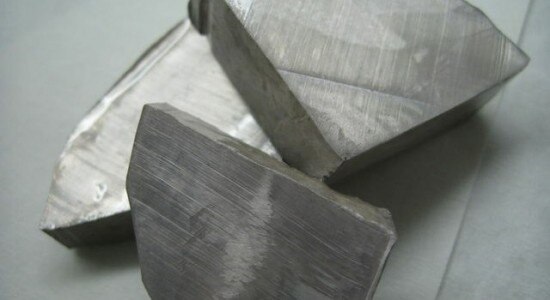
Sodium in the raw (stock photography)
Batteries are a key part to developing green and more energy sustainable products. Lithium-ion batteries power almost everything we use today. A short list of applications; smart phones, laptops, GPS units, and electric vehicles. However, lithium is expensive and rare. So, having an alternative option to support those applications is a logical decision, especially due to China's dominance in the production of rare earth minerals. A recent project is making table-salt, sodium, an appealing choice for a lithium replacement.
Researchers from Tokyo University have recently created an innovative sodium-ion battery using a new electrode composition consisting of manganese, iron, and sodium oxides. The new metal mix composition allowed the researchers to create sodium based battery that held a charge close to that of lithium. Lithium batteries are still more powerful due to lithium atoms naturally releasing more energy when they lose an electron. To match this power difference, the new batteries created consisted of a positive electrode that held more ions allowing it to reach energy densities close to that of lithium batteries by using the new metal material as the cathode (positive electrode) and sodium as the anode (negative electrode).
The metal mix was created by mixing the chemicals together and smashing them into a pellet sized shape. From there, the composition was heated at 900 °C for 12 hours. The result was a product with an average voltage of 2.75V and capacity of 190 milliAmp-hours/gram that decreased over 30 cycles. Furthermore, the energy density was very similar to that of the lithium electrodes around 520 mWhr/g. As of now the new batteries will not be smaller or longer lasting than the lithium ones (power density is around 1200 W/kg). However, they are cheaper and provide a nice alternative to their rare earth counterparts. The new finding will help further the development of battery technology, and may create an explosive new battery for consumer products. Let's hope no water is allowed to come in contact with the sodium; instant disaster.
Eavesdropper