


There is a wonderful idiom that boxing commentators use to physically compare the pugilists before a bout. It’s called “the tale of the tape.” As the contestants are introduced the ringside announcers provide their body measurements (the “tape”) including height, weight, and reach as well as age. Occasionally, an old time commentator will also offer the measurements of a fighter’s neck, fist and ankle to give the viewer or listener (from the time that fights were on radio rather than TV) a better idea of his (or recently her) body type.
A little more than a week ago Apple revealed its newest MacBook. Here is the tale of the tape:
Height: 0.14–0.52 inch (0.35–1.31 cm)
Width: 11.04 inches (28.05 cm)
Depth: 7.74 inches (19.65 cm)
Weight: 2.03 pounds (0.92 kg)
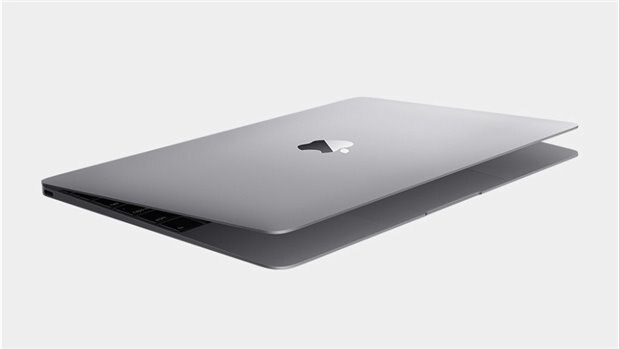
Clearly, the new Mac qualifies, in boxing terms, as a featherweight. But the real story lies in a switch in tactics that enabled Apple to create a slim, elegant notebook as thin and light as its new MacBook.
In designing MacBook Apple had to strive for efficiency in every detail, right down to how it connects to peripherals and power. So instead of providing the usual multiple port options they chose to go with a single, tiny new USB-C connector that combines the essential functions you need every day in one terrific port.
The new USB-C connector offers charging, quick USB 3 data transfer speeds for connecting to external devices and peripherals, and video output that supports HDMI, VGA, and DisplayPort connections. (A quick word on video: the USB Type C with optional DisplayPort "Alt mode" was introduced last year; using the DisplayPort Alt Mode, a USB Type-C connector and cable can deliver full DisplayPort audio/video performance, driving monitor resolutions up to 4K and beyond. Video source devices that support DisplayPort Alt Mode on a USB Type-C connector can use an appropriate adaptor to drive an HDMI, DVI or VGA display.)
All of this means a device does not have to have individual ports for each of these I/O’s. And USB-C comes in a small, reversible design that’s one-third the size of the current USB connector (see photo below).

As a result, the new USB Type-C connector helps to enable thinner and sleeker product designs (if you are not a Mac user you will also find it on Google’s new Chromebook Pixel, although here there are some regular USB connections as well).
Physically, the USB-C port and connector is smaller than the size of the Micro-B USB port, currently the most popular USB port design for smartphones and tablets. A USB-C port measures just 8.4mm by 2.6mm. So it is small enough to work for even the smallest peripheral devices. With Type-C, both ends of a USB cable will be the same, allowing for reversible plug orientation, so unlike previous USB plugs you won’t need to worry about plugging it in upside down. Consumers have complained to cable and PC peripheral makers that existing USB connector types are difficult to use because of confusion over plug orientation and cable direction. Now, once users don’t have to worry about plug orientation, they should be less likely to have trouble fitting cables into slots.
The new Type-C connector is being designed to be plugged and unplugged 10,000 times. The USB-C connector standard also defines an intermediary adapter for going from current 2.0 or 3.0 Micro-B connectors to the USB C connector.
What’s next? Before long expect to see USB-C connectivity showing up on Android Phones and perhaps on the next generation of iPhones, too.
Top Comments