


Introduction
Sometimes a webinar is just another event on your calendar. You join, listen to a few presentations, learn something new, and eventually move on to the next thing.
But occasionally, something much more interesting comes out of it.
What started as simply attending technical webinars eventually turned into an opportunity to get my hands on hardware that I can actually experiment with, develop on, and hopefully turn into some interesting projects
It all started with Webinars.....
I try to attend webinars and technical sessions whenever I can, especially those covering embedded systems, wireless technologies, and developer platforms. They’re a great way to keep up with what’s happening outside of the things I normally work with and, sometimes, discover hardware and technologies I might not otherwise get the chance to play around with.
My day-to-day work mostly revolves around FPGAs, so in my free time, it’s actually quite refreshing to step away from SoC FPGAs for a while and tinker with something completely different. That’s one of the reasons I enjoy these sessions; there’s always a chance of coming across something that makes me think, “Hmm, I’d like to try that.”
Over time, I participated in a few such webinars and ended up being selected for hardware prizes.
How To Build A Smart Home Device With Matter Webinar
The package arrived from the e14 Community, and it had me curious before I'd even opened it. No stickers on the inside, but I was greeted by one stuck right on the outside of the box , a small, playful hint of what was waiting for me.

Inside were two very different development platforms.
One was a familiar single-board computer kit: (Raspberry Pi 4 kit)
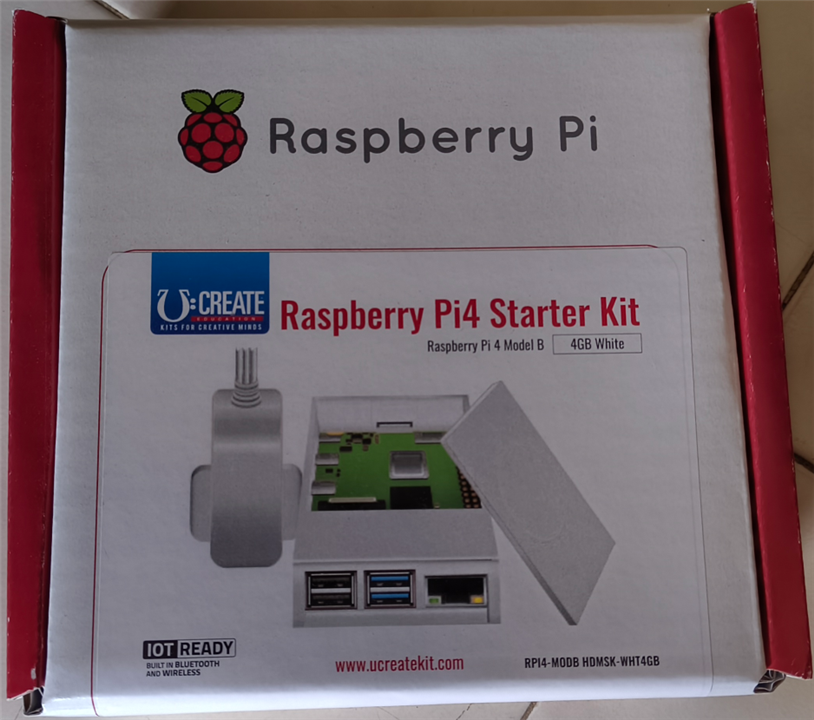
The other was a wireless embedded development kit: (nRF54L15 DK)
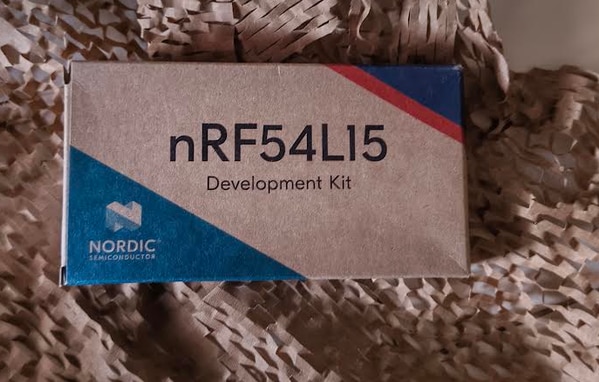
At first glance, they couldn't be more different.
The Raspberry Pi is essentially a tiny Linux computer.
The nRF54L15 DK is built around a completely different idea: an ultra-low-power wireless microcontroller, designed to sip power while staying connected rather than run a full desktop stack.
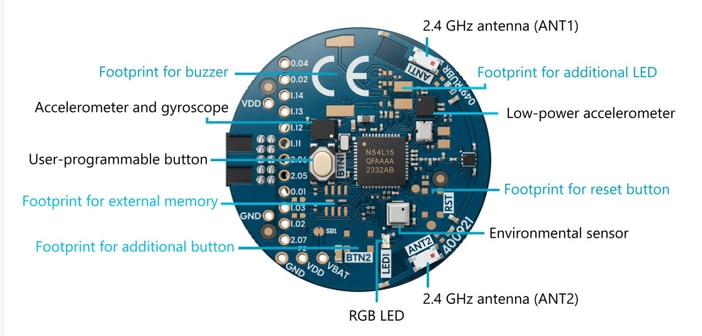
Nordic has even recently released a tag version of the chip, which says a lot about the kind of small, battery-sipping use cases they have in mind for it.
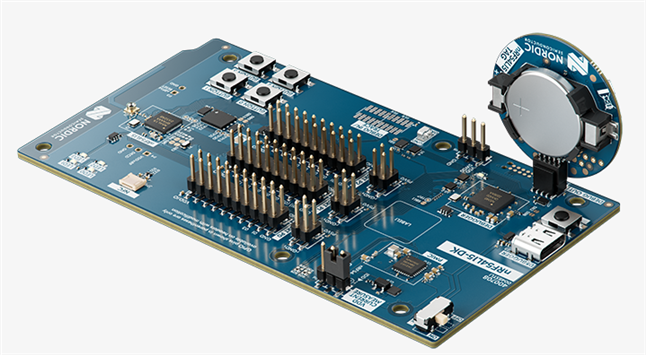
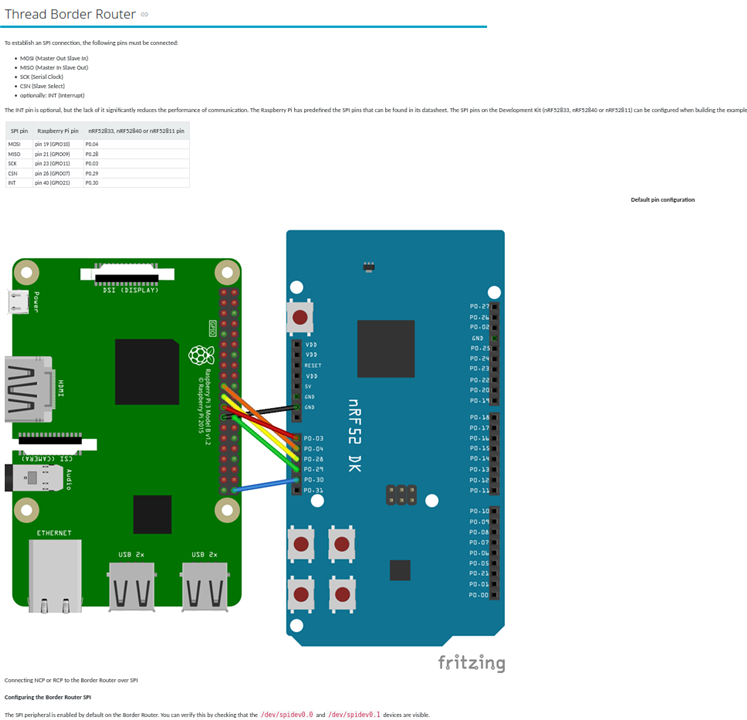
What I really can't wait to try out is setting up a Thread Border Router using the Raspberry Pi 4 and the nRF54L15 DK together. Fingers crossed it all works out .
.
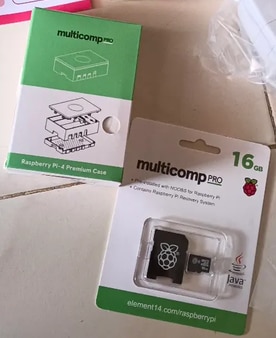
Another thing worth mentioning: the Multicomp Pro accessories that came with the Pi 4 kit. The Pi 4 Premium Case genuinely earns the "premium" in its name ; it doesn't feel like an afterthought. The SD card was also a nice surprise: it came preloaded with NOOBS (Quite Nostalgic ), and it's a Class 10 card too, so speed shouldn't be an issue.
There's no heatsink included with the kit, but I'm not too worried. I'm planning to try bare-metal programming on the Pi 4 (if I can find time on the evenings; a lot of digging through the docs to be expected), so with any luck, it won't be working hard enough to need one.
And Finally, a Thanks for the e14 Community
A huge thank you to everyone who made this webinar possible. A special thanks to JoRatcliffe for hosting such an interesting and informative session, and also to e14Liz who took care of shipping the prizes and getting them safely to me (No issues with the DDP status this time ). I really appreciate the effort from everyone involved.
-

embeddedguy
-
Cancel
-
Vote Up
0
Vote Down
-
-
Sign in to reply
-
More
-
Cancel
Comment-

embeddedguy
-
Cancel
-
Vote Up
0
Vote Down
-
-
Sign in to reply
-
More
-
Cancel
Children