RoadTest: Engineers needed to review the element13 Foil Headwave Aluminium aTtenuator DevKit
Author: Gough Lui
Creation date:
Evaluation Type: Development Boards & Tools
Did you receive all parts the manufacturer stated would be included in the package?: True
What other parts do you consider comparable to this product?: Food-grade aluminium foil
What were the biggest problems encountered?: Lack of design guidance and product data specifications, lack of pricing data, inconsistent product size.
Detailed Review:
by Gough Lui – June 2026
It’s a new year and thanks to element14, I’ve been selected as a RoadTester for the element13 Foil Headwave Aluminium aTtenuator DevKit. This RoadTest seemed to be extremely popular amongst the community, with a total of 23 applicants, so I was glad to be one of those selected to review this rather shiny new toy!
As is befitting a product of this type, this review will take a practical, albeit humorous approach. If you are irony-deficient or suffer from a humour incompatibility, please confer with a suitably-qualified third party before passing judgement.
While the RoadTest enrolment concluded 2nd April, the parcel was not dispatched until 29th April, arriving on my doorstep in early May.
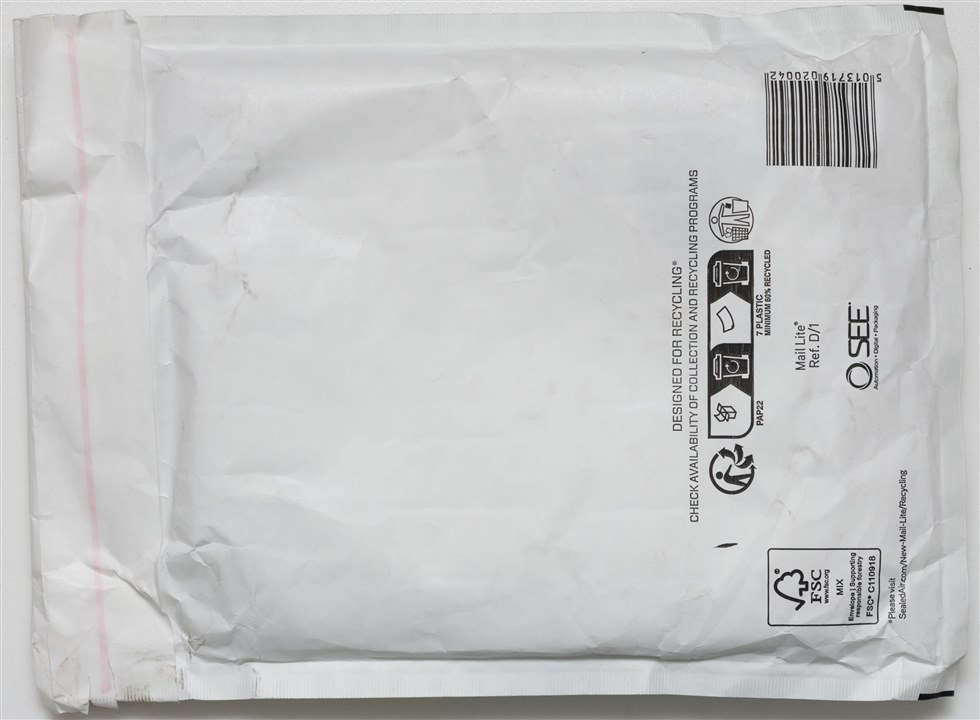
The parcel was a padded envelope, surprisingly light and compact.
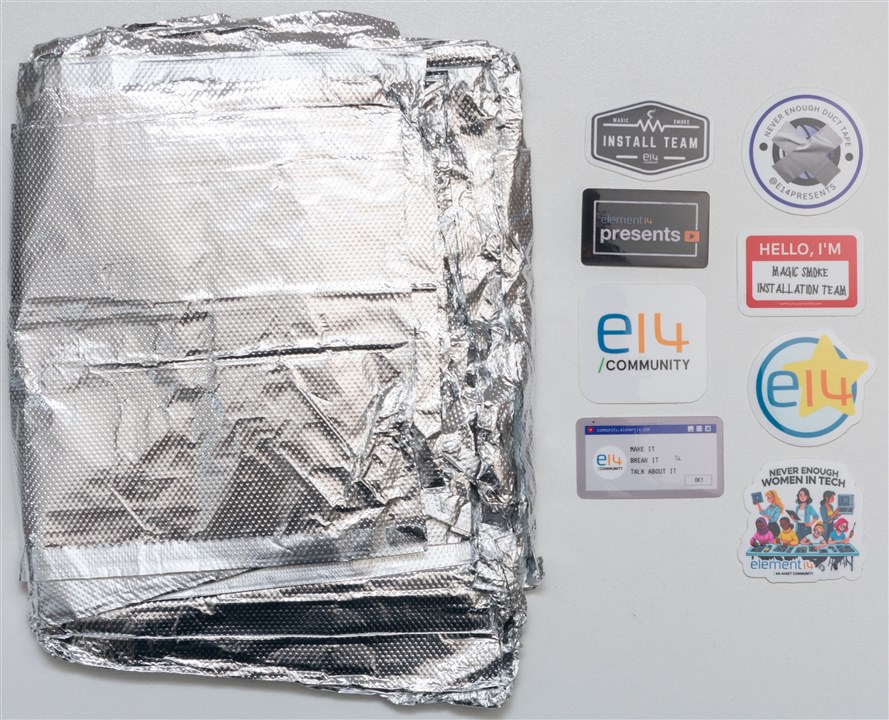
Within was a total of 20 sheets of the promised Headwave aTtenuating foil, along with some self-adhesive labels adorned with various slogans and artwork. Most concerningly, as these were supplied with the product, it was surprising that they all contained a typo – the company that makes the foil is element13, not element14. As these packages were dispatched by @e14Alice which has since left her post, I can only assume their departure may have had something to do with this error.
In fact, the conspiracy theorist inside of me thinks that, secretly, element13 and element14 may be colluding together to promote this product, which is why thorough testing is required to ensure that it meets quality expectations.
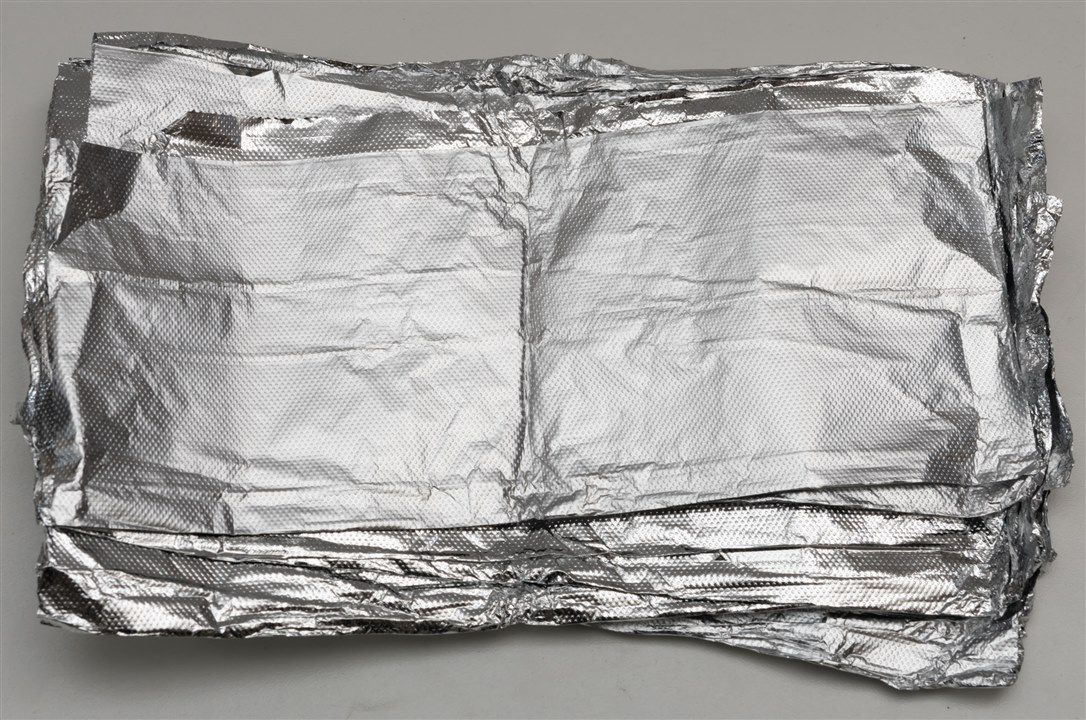
For packaging efficiency, the foil appears to have been stacked and folded twice.
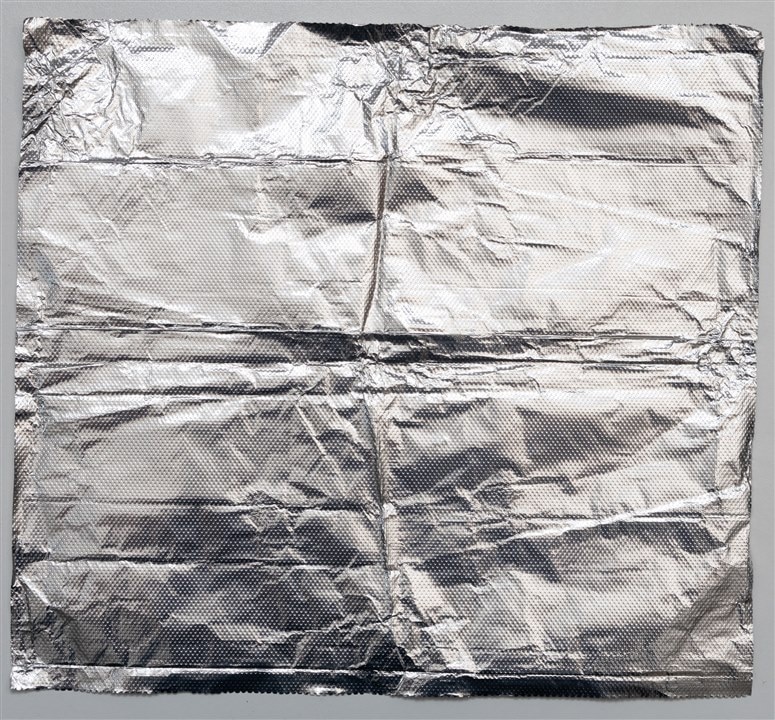
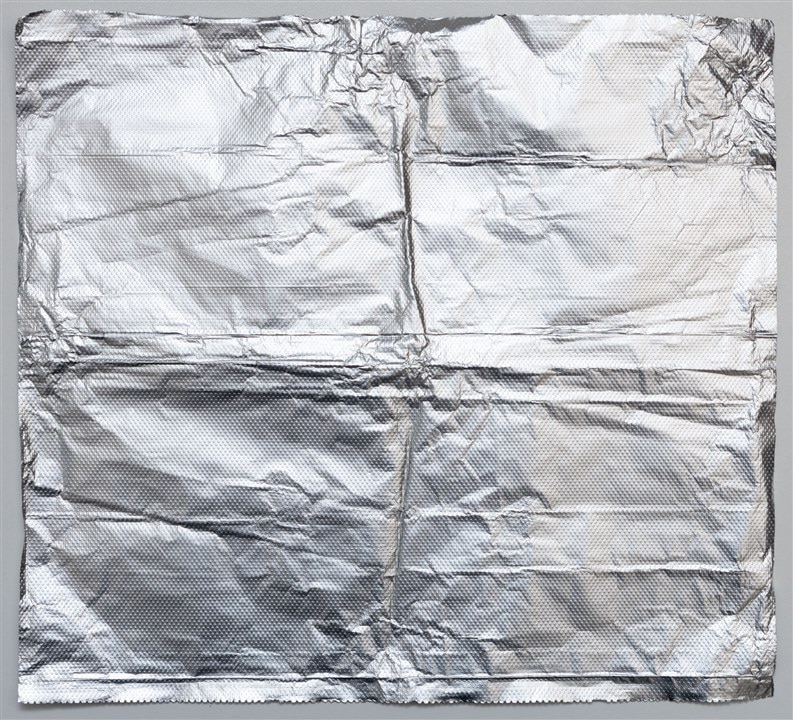
Unfortunately, this leaves the foil with creases that are difficult to remove and may have reduced its overall fatigue life – important in applications where the foil may need to bend repetitively.
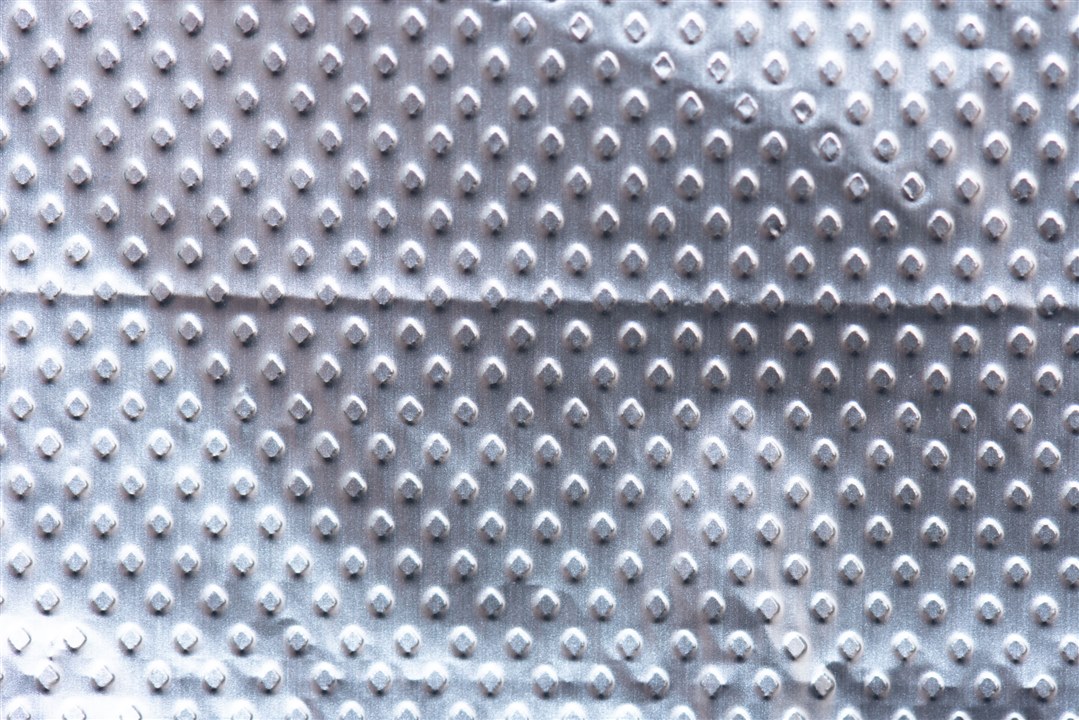
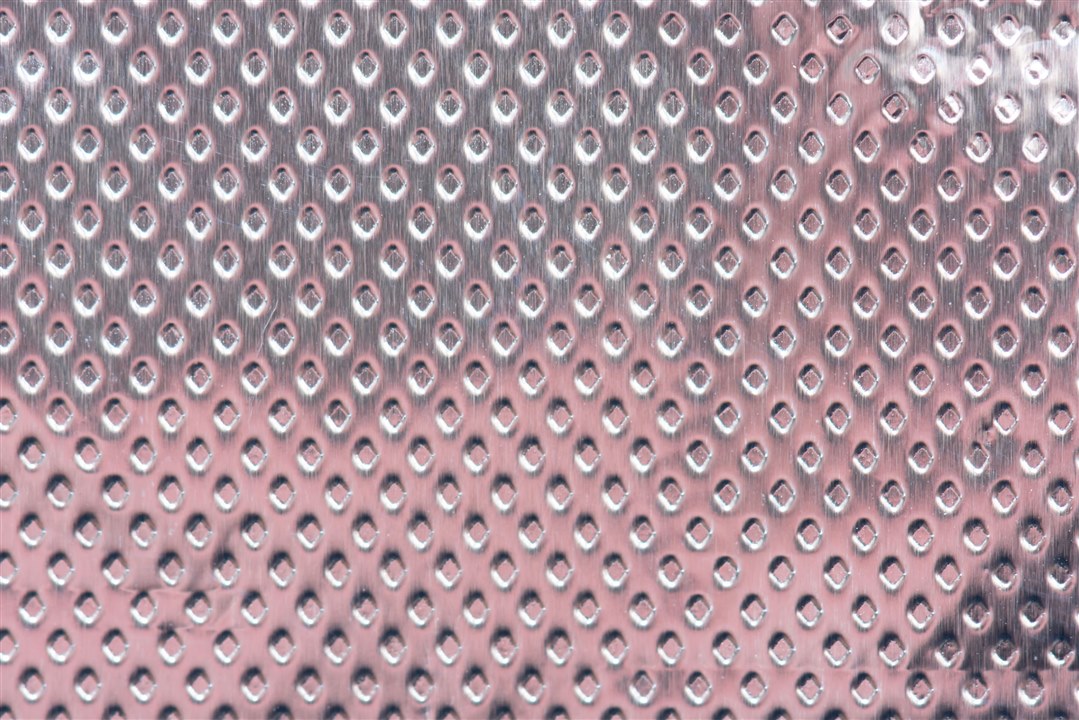
The foil has been textured with a pattern of interleaved diamonds which appear to reduce inter-sheet adhesion, making for more reliable dispensing. One side of the foil sheet is shinier than the other, although functionally, there is no marking to indicate which side should face outward. No other distinguishing features or brands were identified.
Unfortunately, the product did not arrive with any documentation, nor is it available online. While the manufacturer may assume that its use is intuitive, further guidance on appropriate applications alongside reference designs would be appreciated, as even simple issues such as directionality and overlap requirements may compromise the effectiveness of the product if neglected.
As this seems to be a new product from an obscure manufacturer, there is not much information available aside from what is on the RoadTest review page. Specifically, the claimed specifications include Aluminium material (without any further information regarding the grade and composition), 270mm x 300mm x 0.016mm in dimension.
However, by sampling a few sheets, it appears that the sheets delivered actually range from 260mm x 300mm to the promised 270mm x 300mm. The cut edges have a rough triangular pattern, however, this deviation in size (-3.7%) may affect applications where the full area of the sheet is required.
Due to the lack of specification, the conspiracy theorists may like to surmise that this is just ordinary aluminium foil. As a result, I have decided to characterise the foil, benchmarked against a local food-grade foil intended for catering applications –
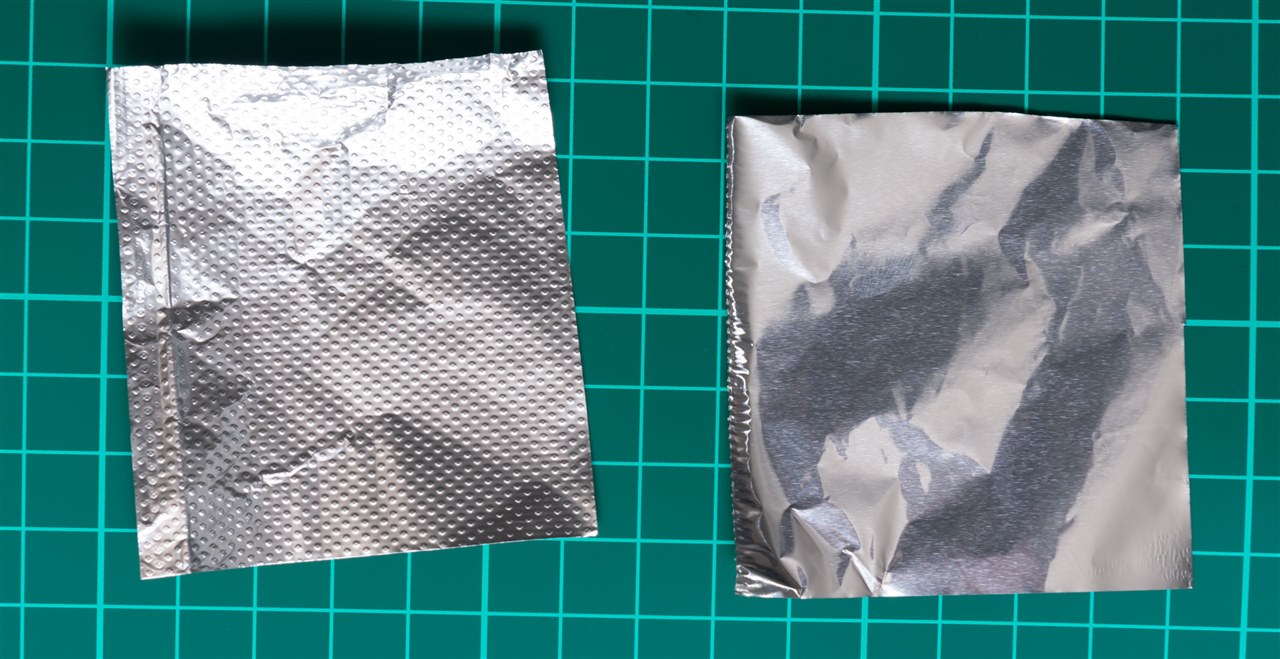
Right – Local product, Left – Imported element13 Headwave aTtenuator Foil
The local foil has similar properties with a shiny and a less shiny side. However, the local foil is not textured, retaining a smooth appearance. Nevertheless, dispensing of the foil remains smooth and uninhibited.
Testing of thickness involved cutting a square of foil from each type using scissors to approximately the same shape. I had initially intended to cut the sheets with a knife, but I found they had a propensity for tearing unevenly along the edge, thus scissors were the preferred implement for shaping the sheets. They were weighed on a Multicomp Pro BAL1 microgram balance.
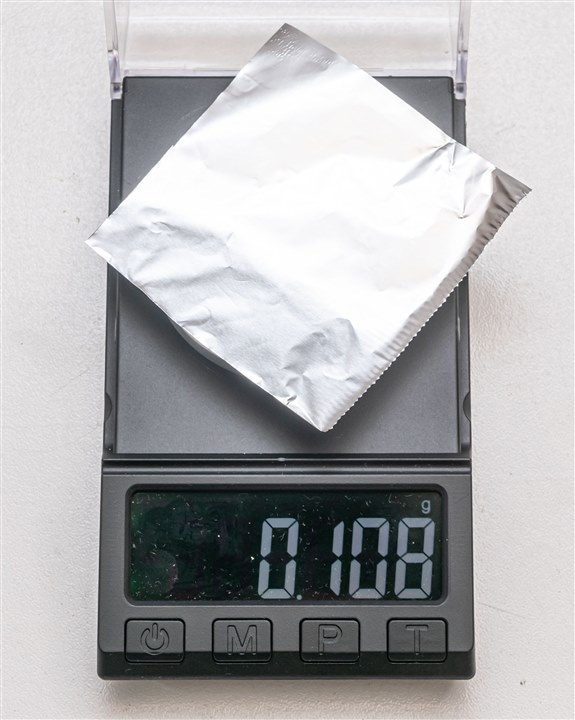
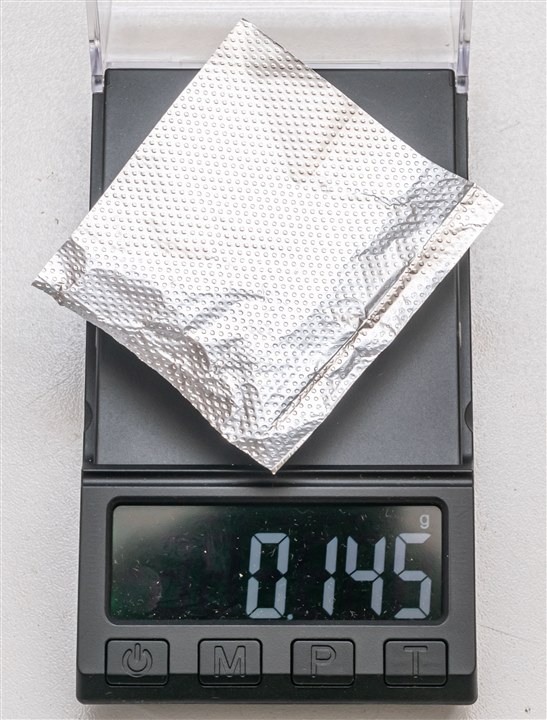
An accurate area was determined through scanning the foil pieces on a Canon Canoscan LiDE 210 scanner at 1200dpi and determining pixel areas in Adobe Photoshop. Using the nominal density for aluminium, the thickness and weight of the foil were determined.
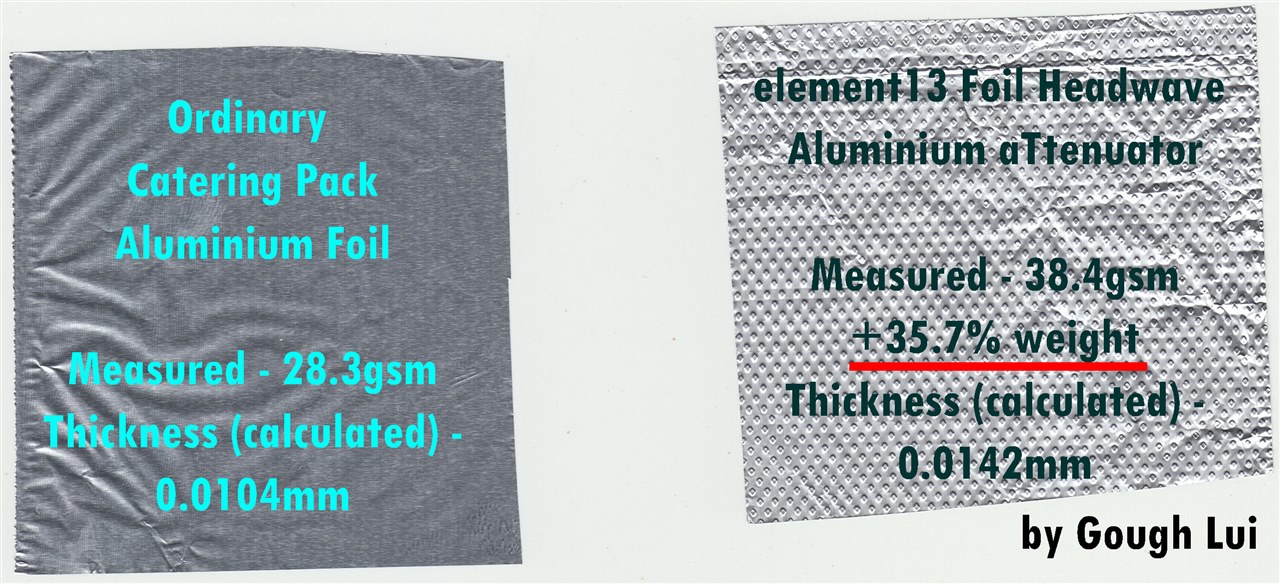
Based on the results, the element13 product was indeed thicker and heavier-weight than the locally-obtained food-grade product, by about 36%. The achieved value was 0.0142mm which is a bit shy of the claimed 0.016mm, however, this is within the margin of error especially given that the exact alloy composition was not specified. However, it is noted from a variety of sources that food-grade foils can reach as thick as 0.02mm, so this level of thickness (while better than the locally-obtained product) is still within the range expected from ordinary food-grade aluminium foil.
Unfortunately, I was not able to determine the alloy purity or composition with the equipment I have. But as the element13 product does not contain any datasheet assurances, use outside of electrical shielding or conductivity purposes is not advised for your own safety.
To verify the result obtained by weight, I also took a segment of the element13 foil, cutting it into a 1cm wide, 17 cm long strip.
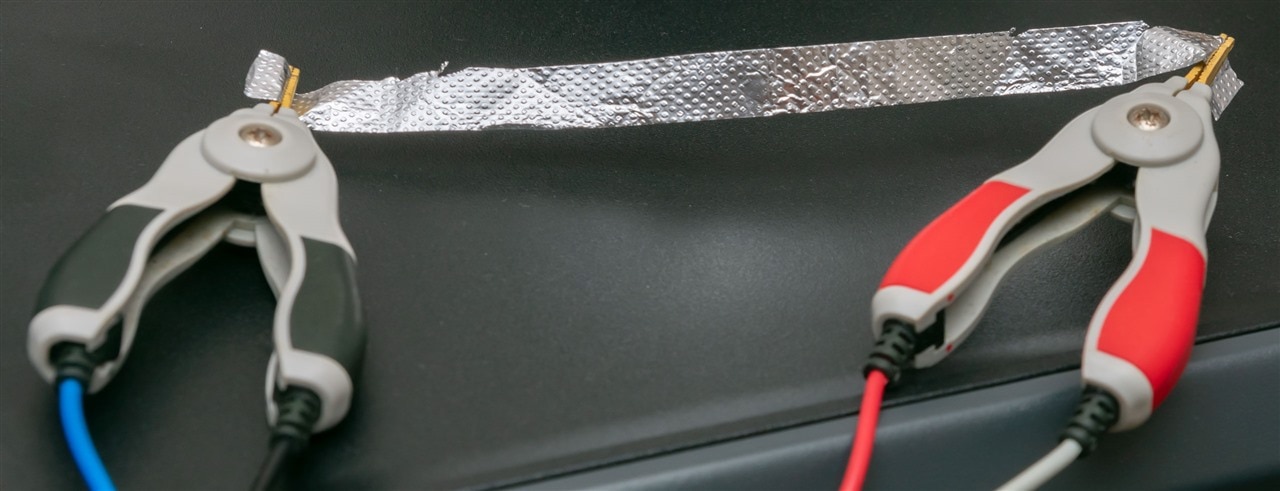
The B&K Precision BA6010 Battery Analyser was used as an LCR meter to measure the resistance across the central 15cm portion, using its four-wire Kelvin clips. Then, using the nominal resistivity of Aluminium, the thickness of the foil was back-calculated using the formula - thickness = (resistivity * length) / (resistance * width).
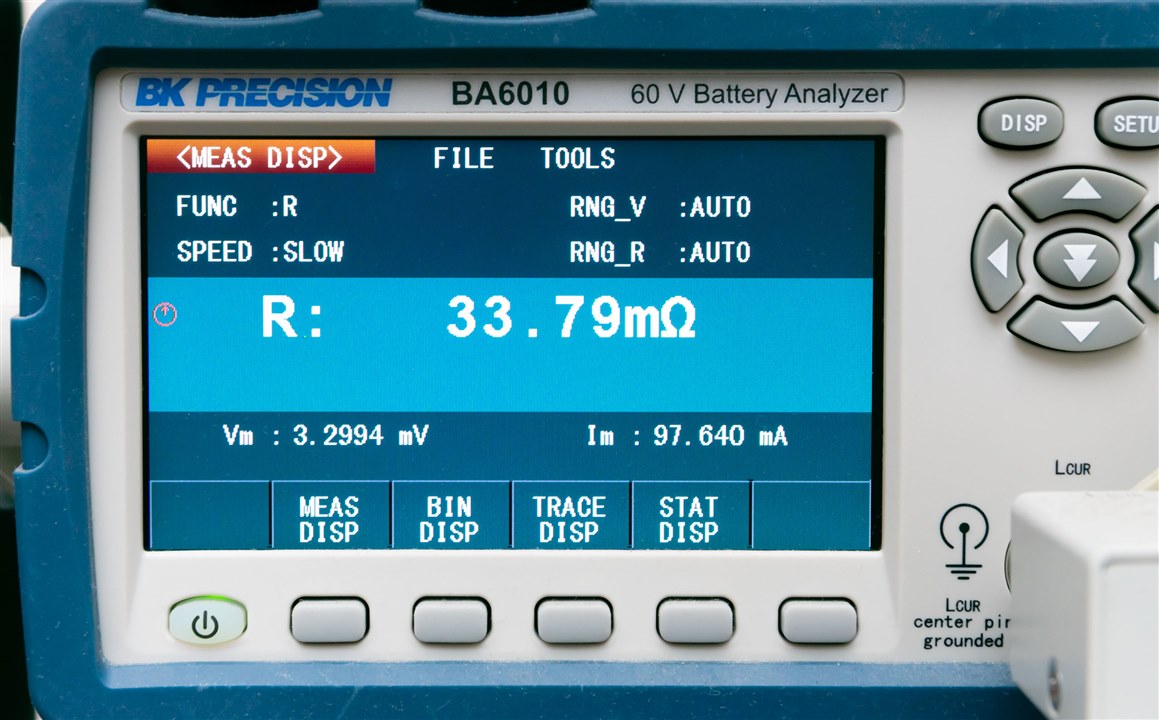
Based on this measurement, the calculated thickness of the foil was 0.0125mm, which is a little thinner than the result delivered by the weight measurement, but still within the range for food-based aluminium foils (0.01-0.02mm).
It is, therefore, difficult to conclude based on thickness alone that there is a substantial noticeable difference between the element13 Headwave aTtenuator foil and ordinary food-grade aluminium foil, which is somewhat disappointing.
To apply this product into its intended usage scenario requires a piece of headwear that we would like to convert into a shielded device.
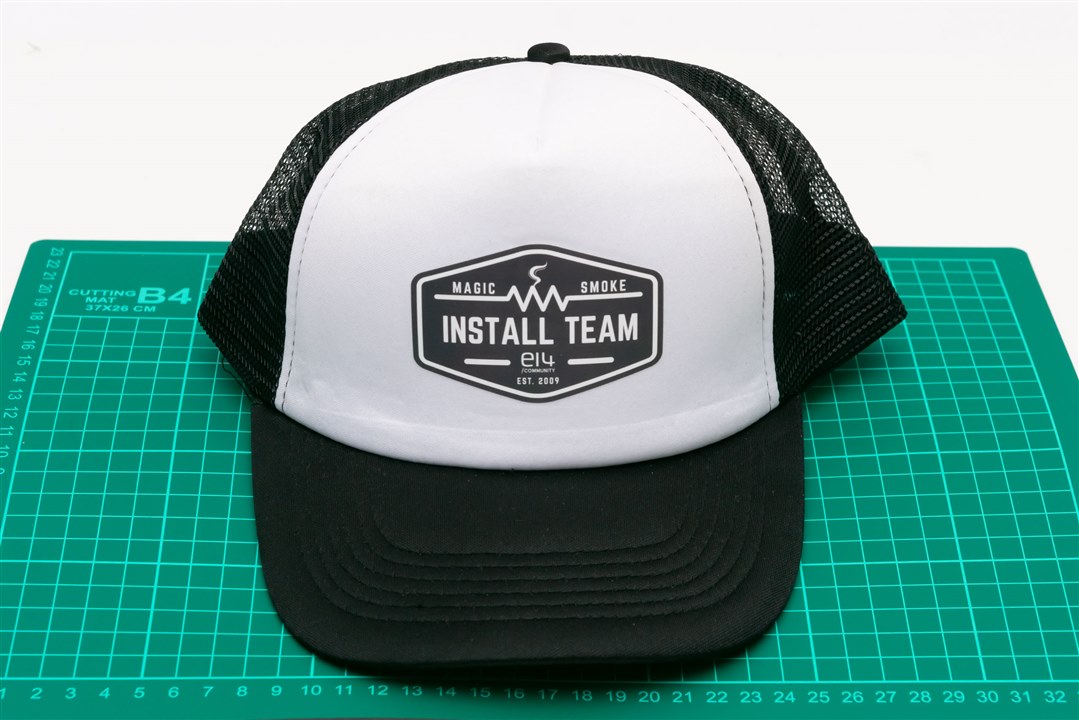
For this, I selected a trucker cap that I recently received from element14 and adjusted it to fit my head.
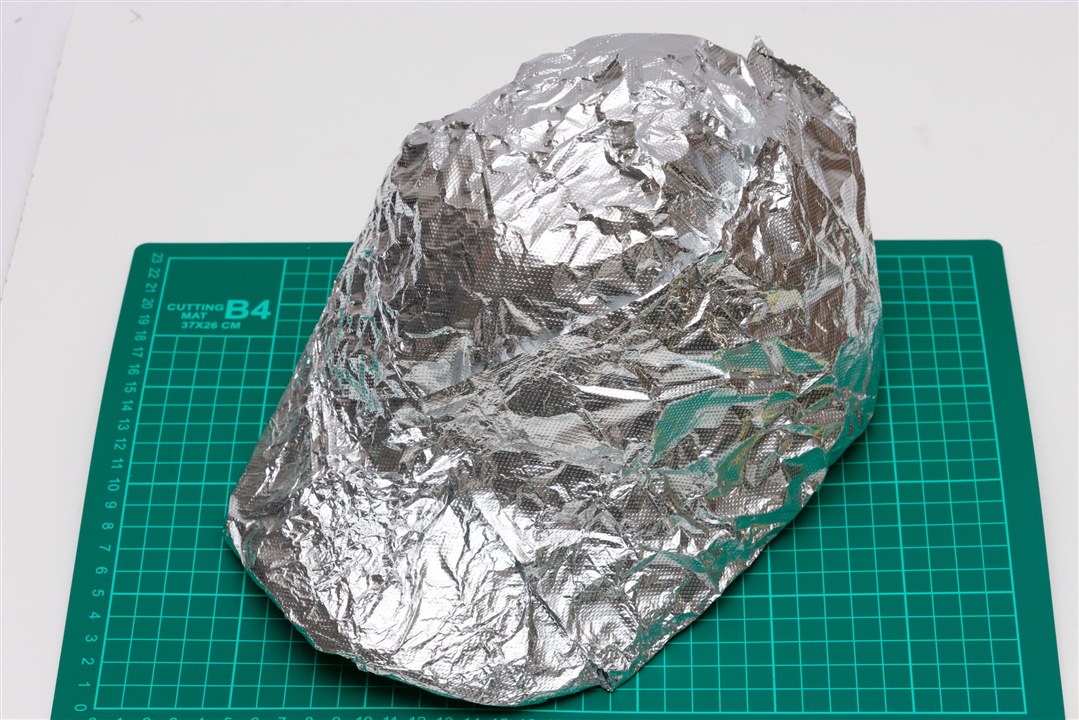
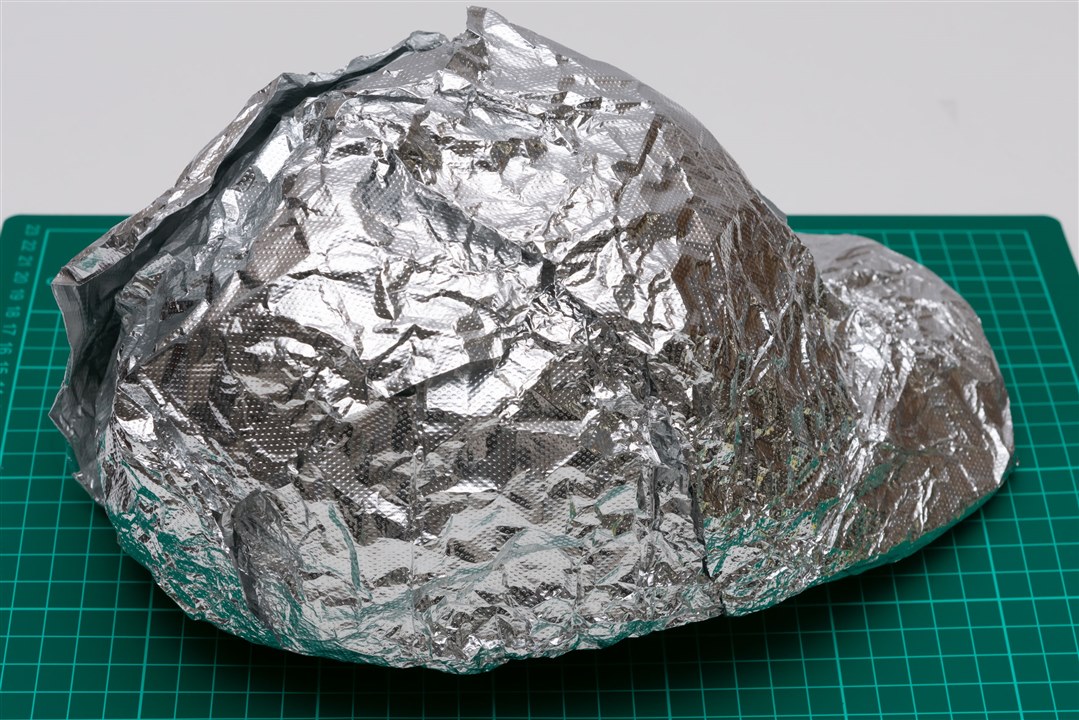
Overlapping layers of foil were applied to the curved structure, with the pliability of the foil being well-matched in following the shape and contours of the underlying cap.
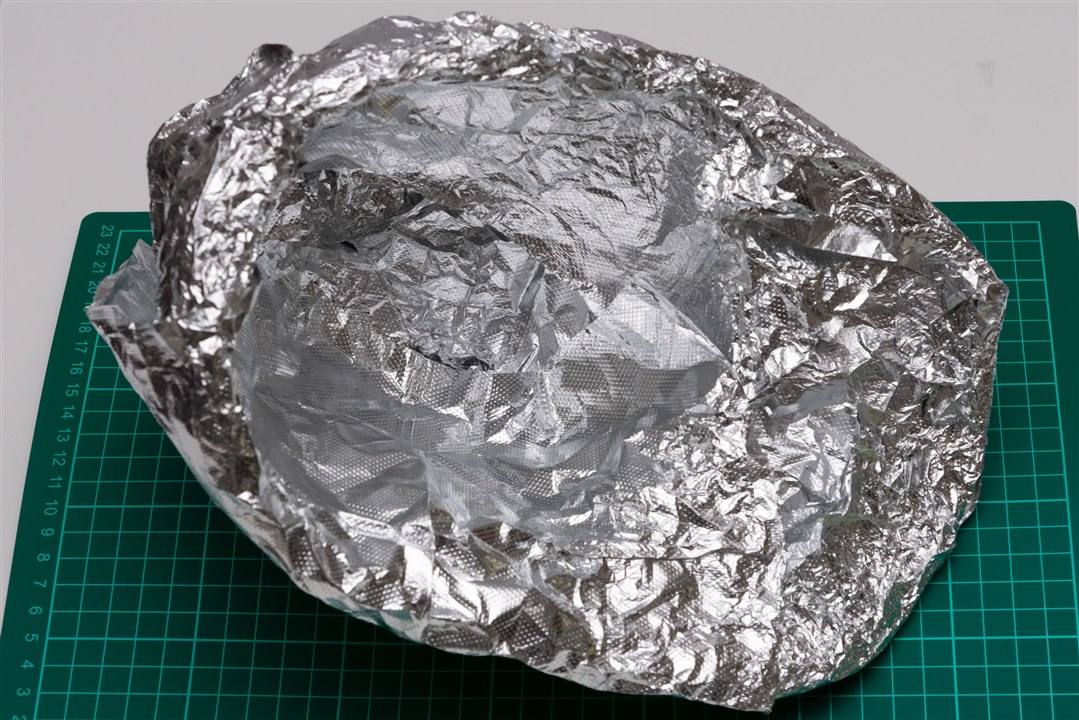
To ensure uncompromised protection, a double-layer construction was utilised, where an internal layer of shielding was also applied. This ensured that any compromise of the outer layers would not leave the wearer in a dangerous situation.
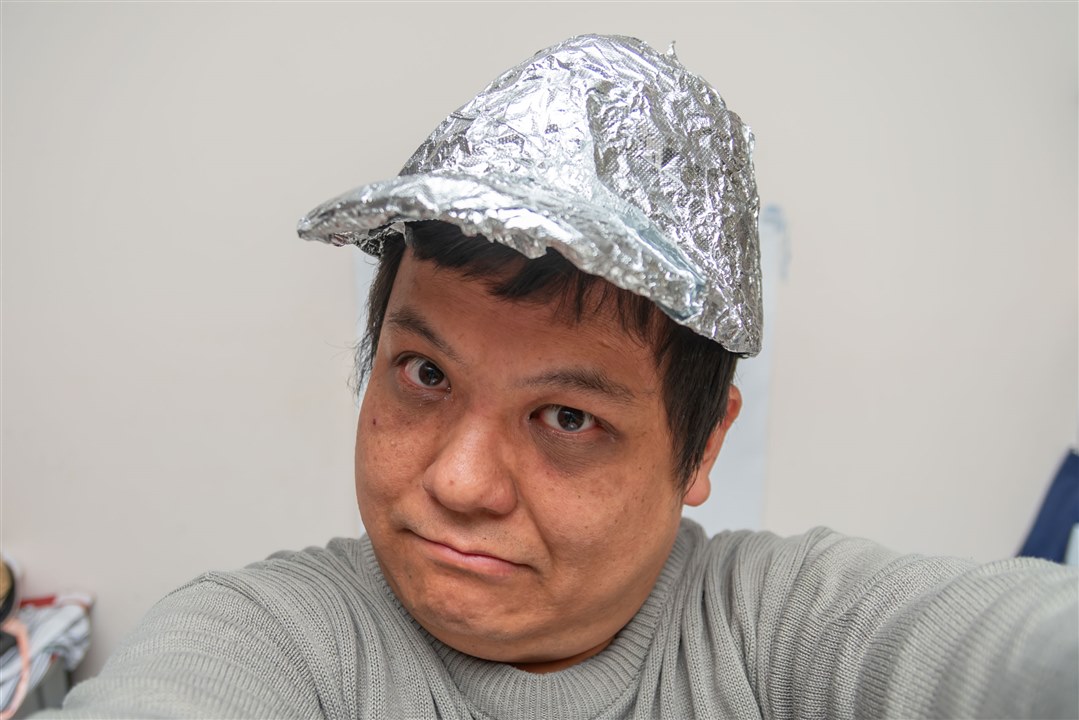
The application of the foil does reduce the internal clearance of the hat by a noticeable amount – something I had not initially accounted for. However, as the product appears to be best suited for one-time use, this was not adjusted and instead, I wore the headwear above to test its practicality and durability.
Unfortunately, upon trialling this in real life applications, a number of issues began to appear. The first of which is that the texturing of the foil appears to allow the layers to move across each other more easily, resulting in drift of the foil post-installation.
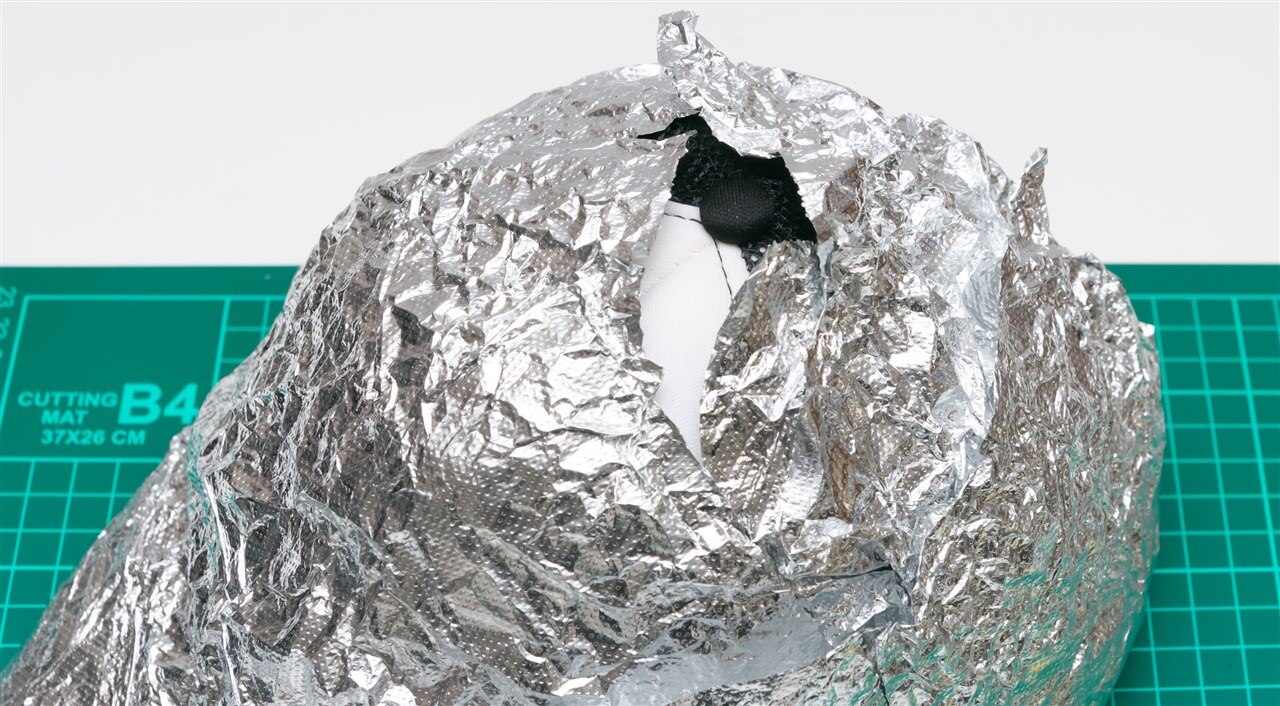
This can have the devastating effect of creating a coverage void over time (also known as a bald spot) which not only nullifies any protection offered, but could also serve to focus any stray emissions into a smaller area, increasing your risk of exposure-related negative outcomes. Thankfully, I opted for a double-layer design which kept my head safe. This effect seems to be accelerated by environmental variables, specifically, the wind which has a habit of peeling apart the foil layers. Larger sheets or continuous rolls would possibly avoid this failure mode.
Furthermore, the reflective nature of the material also reflects optical light, resulting in numerous complaints from other people and drivers that it may reflect sunlight or headlights into their eyes, blinding them and potentially increasing the risk of vehicular accidents. Outdoor usage during sunny days or at night near roads is thus discouraged, although a redesign of the concept to feature two internal layers rather than one layer externally and one layer internally may be more palatable as it reduces exposure to the external environment and prevents direct reflections from forming. It may also reduce the likelihood of questions from passers-by.
Speaking of which, the hat definitely seemed to turn heads. Many people incorrectly assumed it to be a “tin-foil hat”, when it is obviously an aluminium foil hat. Others quickly corrected themselves, only to call it aluminum. I don’t why getting this right is such a big issue – after all, other people with felt-hats rarely get mis-hat-dentified.
Because of the loose nature of the arrangement, the washability and durability of the covering is also questionable. As the foil had been pre-folded prior to its first use, the continued folding as it is fitted and adjusted to the headwear may fatigue the material, resulting in the development of holes and tears in the structure, some of which may only appear only after several hours of service. Therefore, a multi-layered construction is always recommended, and re-use of foil is strongly discouraged without a thorough inspection.
I felt that wearing the hat did improve my thoughts – adding clarity and reducing noise, however, I was not able to perform quantitative testing as I don’t have access to an artificial head.
Instead, to quantify the level of protection the element13 Headwave aTtenuator Foil provides, I devised a test using a commercially-available pocket Wi-Fi device, transmitting a low-powered Wi-Fi signal in the 2.4GHz and 5GHz bands, similar to those used by the highly dangerous 4G/LTE and 5G/NR base stations. The signal strength would be measured by a Xiaomi Redmi Note 8T mobile phone, positioned a fixed distance away.
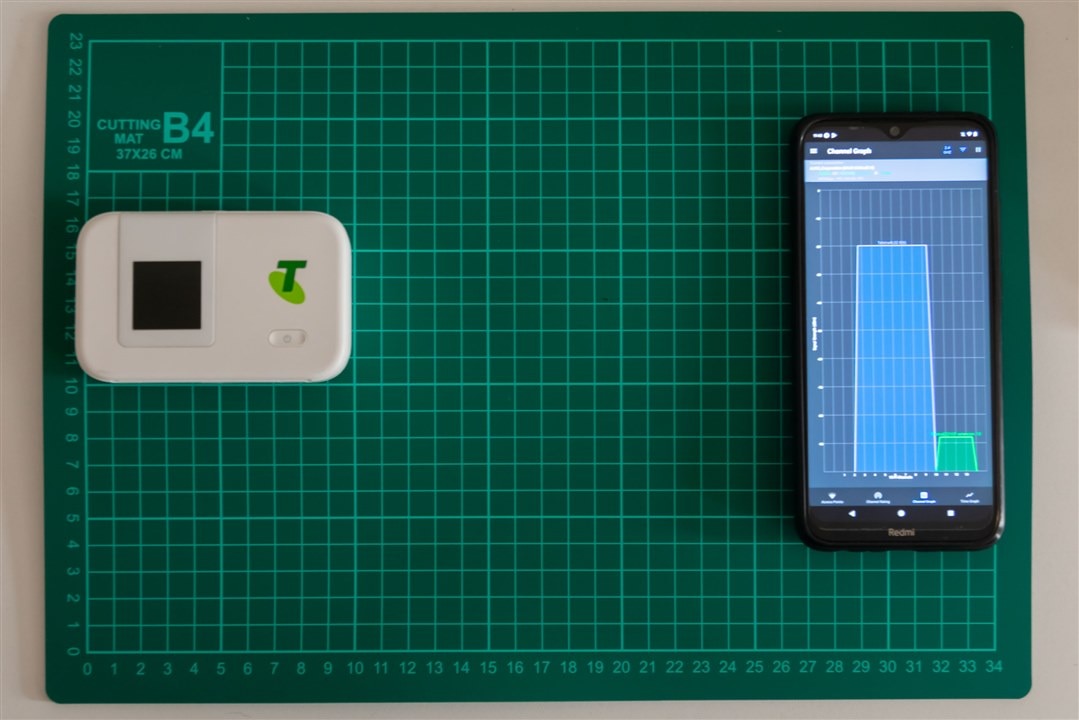
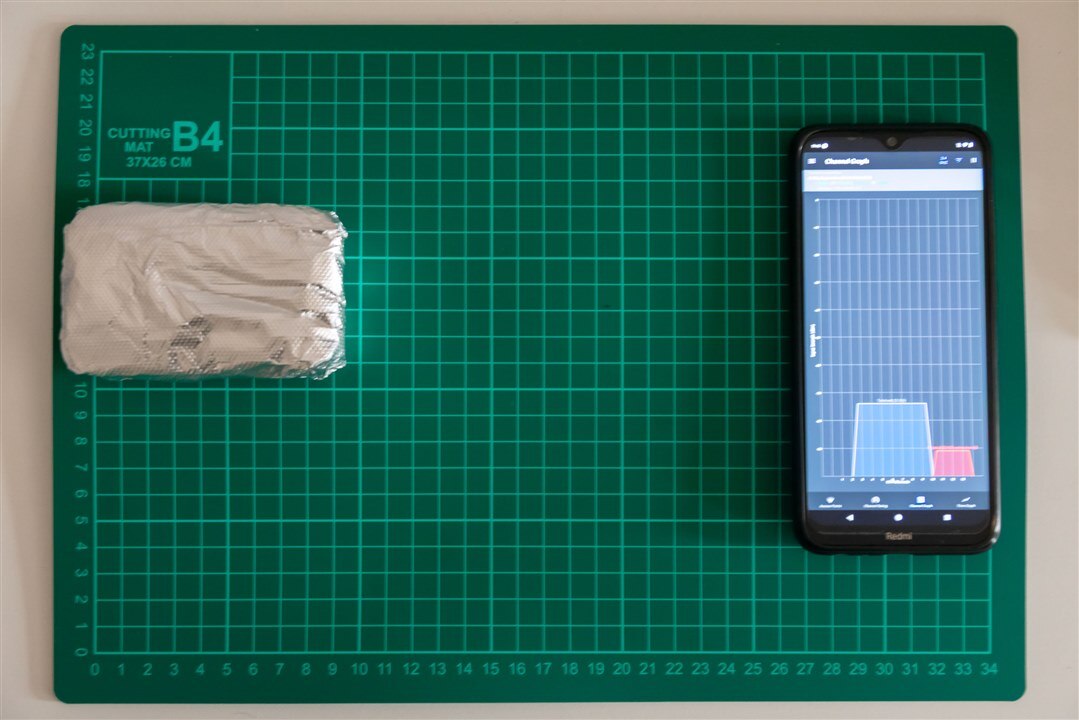
At 2.4GHz, the signal without shielding measured -20dBm, while the shielding reduced this to just -74dBm, a reduction by 54dB (or by about 250,000 times in power). This is a noticeable reduction and is the equivalent of going from sitting next to the access point to a distance around 20m away in a typical home.
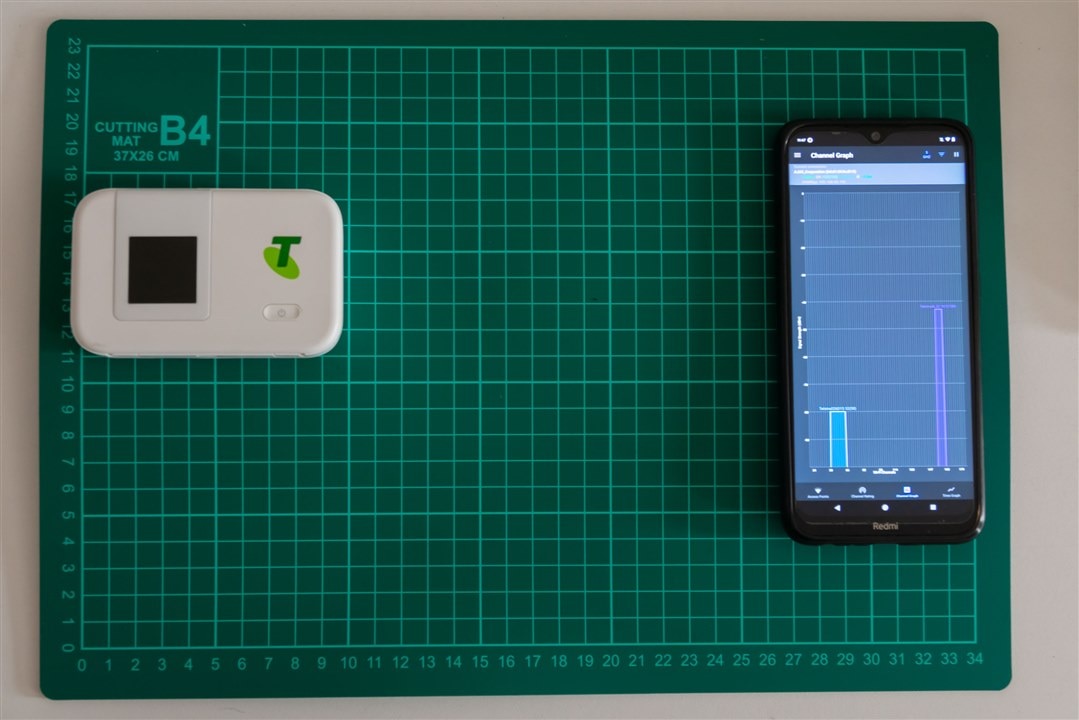
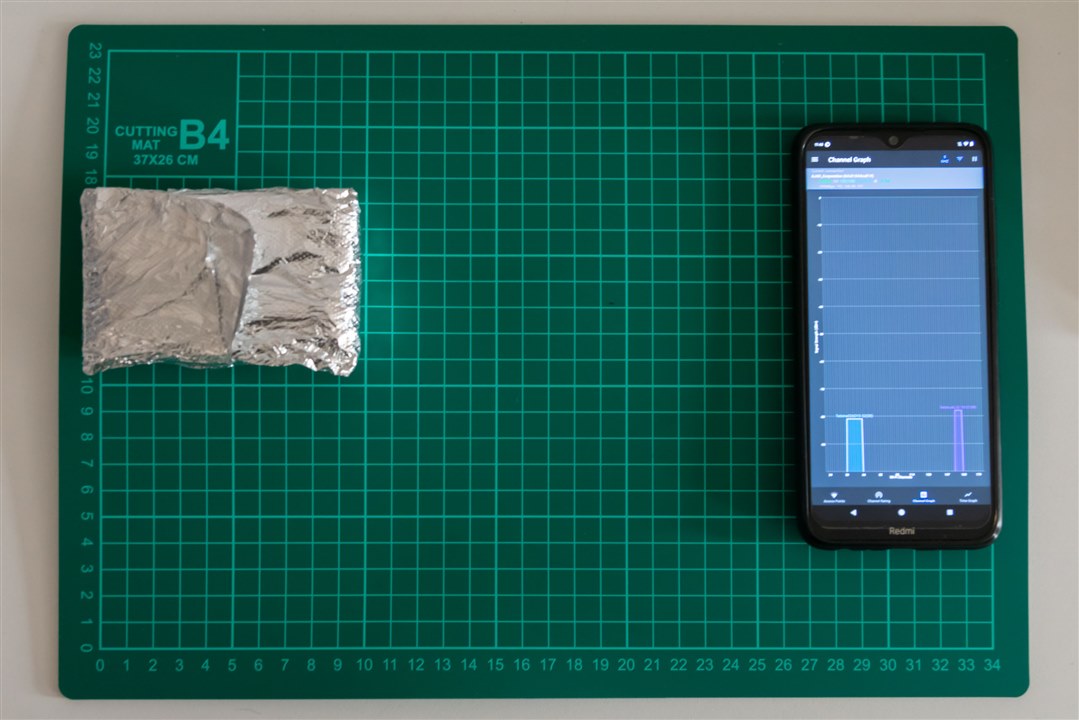
In the 5GHz band, the signal without shielding measured -42dBm, while the shielding was able to reduce this to -78dBm, a reduction of 36dB (or a factor of 4,000 times in power). This is quite a bit less than before, but higher-frequency waves are more difficult to contain and shield as even smaller gaps or imperfections can allow signal to pass. Nevertheless, this is equivalent to moving about 8m from an access point.
So, it appears that the protection offered by the foil is not absolute, hence the aTtenuator name, rather than eliminator. However, I did discover at lower frequencies and powers, it seems to have more effectiveness.
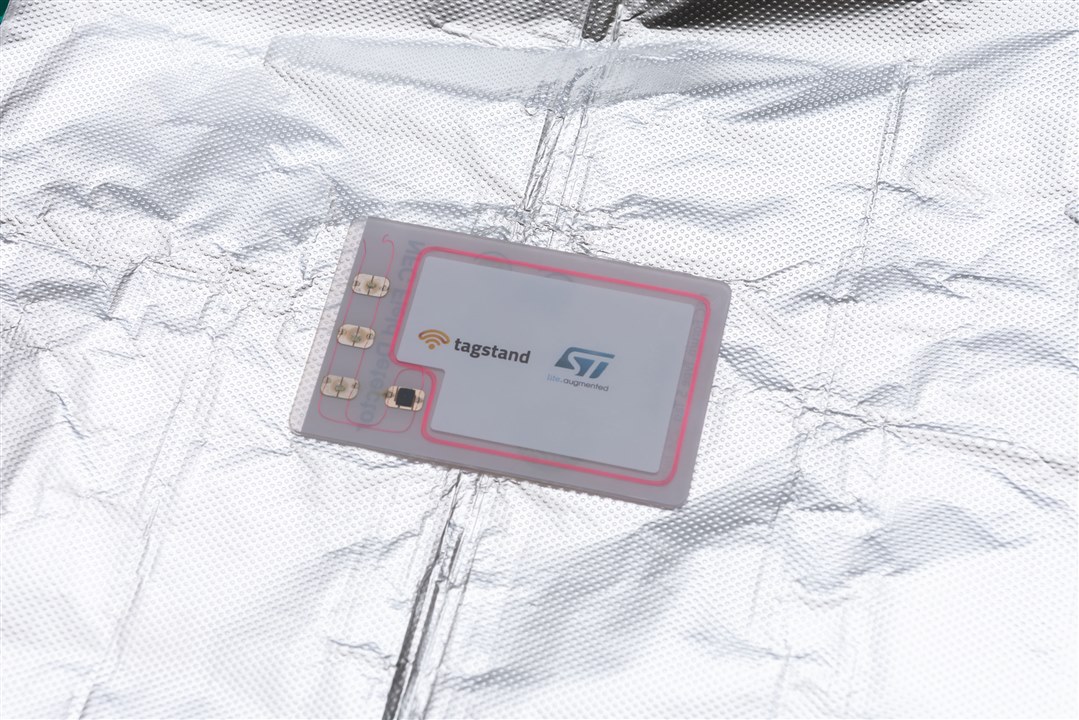
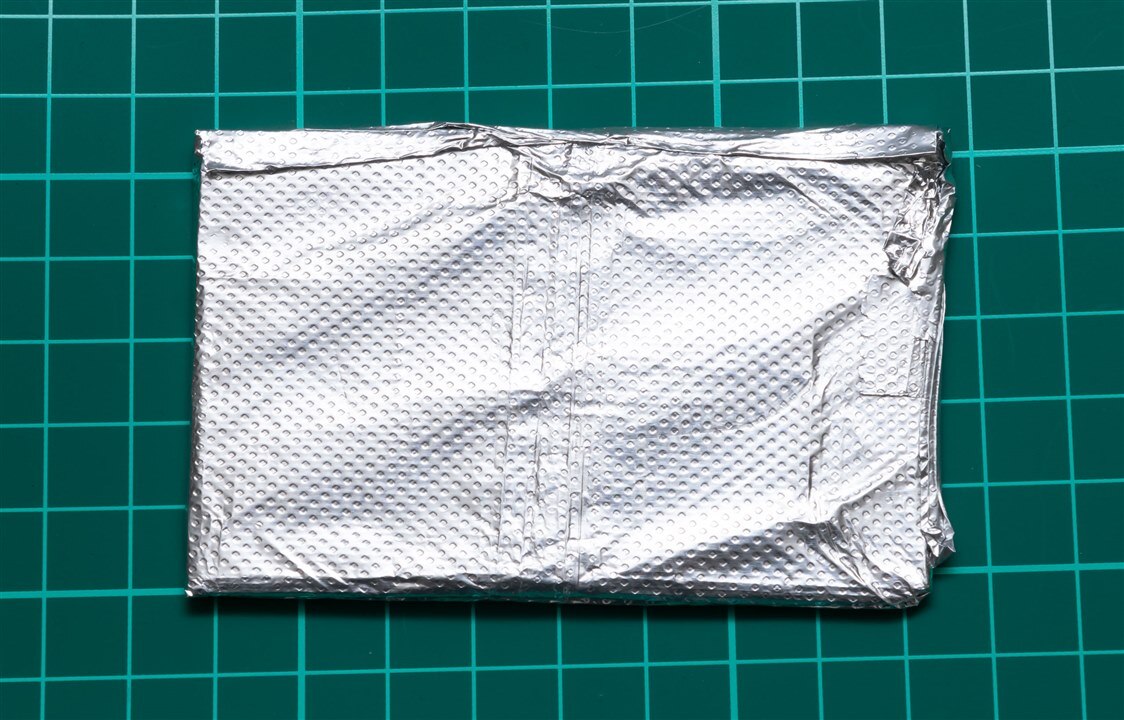
I wrapped an ST NFC “vicinity” card that has a higher read range than most typical cards in the element13 foil.
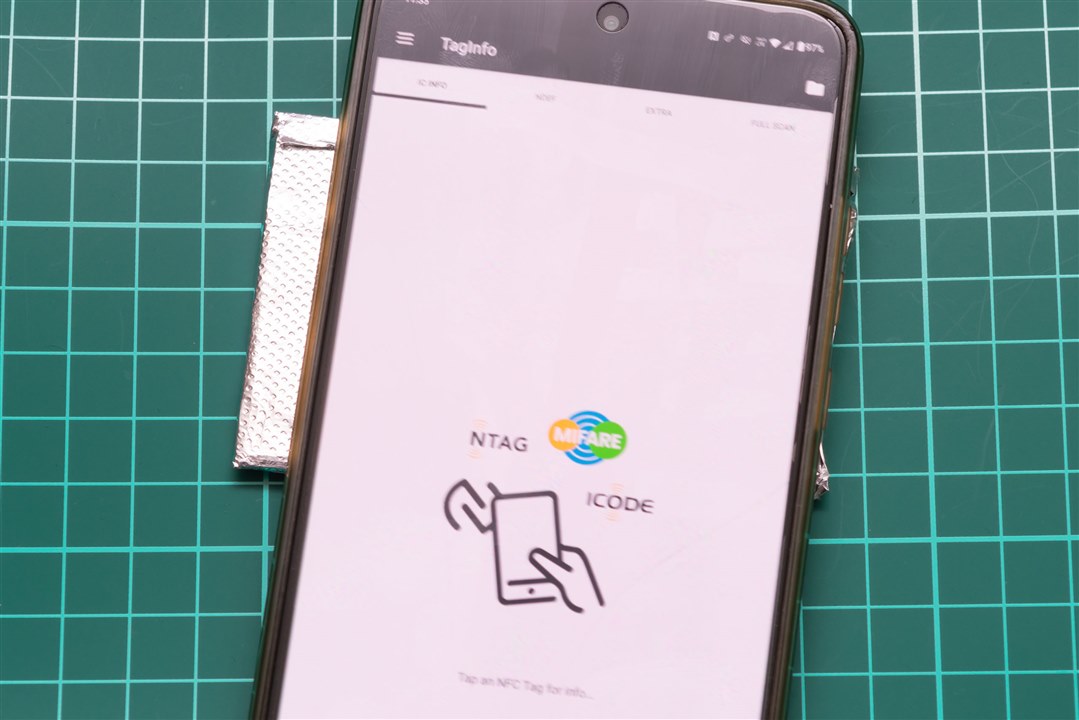
Once wrapped, the card is not able to be detected by the phone’s NFC. Most likely the foil is acting like a shorted turn or Faraday cage, ensuring the 13.56MHz field strength at the card is insufficient for it to operate and provide backscatter responses.
While this is a potentially useful application for the foil, wrapping and unwrapping your cards individually as you need to use them will get tiresome quickly and risks fatiguing the fragile foil quickly. Depending on the price (which is unknown), the replacement costs could add up over time. However, at least ecologically speaking, the material is recyclable so perhaps you can sleep a little easier even if you’re going through a sizeable supply of the product.
The majority of fuses are one-time over-current protective devices that melt and interrupt a flowing current should it exceed a threshold. This is often used as a last line of defence to avoid damage to infrastructure (e.g. house wiring) or fire. Fuses are rated for their holding current (amount of current that can safely flow indefinitely) and their blowing characteristic (time taken to interrupt), which is often described in an I2t curve.
While I don’t advocate for replacement of fuses with other materials, wrapping cartridge fuses in foil is definitely something that people have done when they get desperate. So, I wondered just how much foil one needs for common currents and whether the element13 Headwave aTtenuator Foil could be used as a foil in times of desperation.

The site provided me diameters for aluminium wire for fusing at a set of currents. This was converted, based on the measured thickness of the foil, into a width and it was hand-cut to within 1mm precision. For the purpose of this experiment, I chose 5A nominal holding current for a ~4mm wide piece of foil.
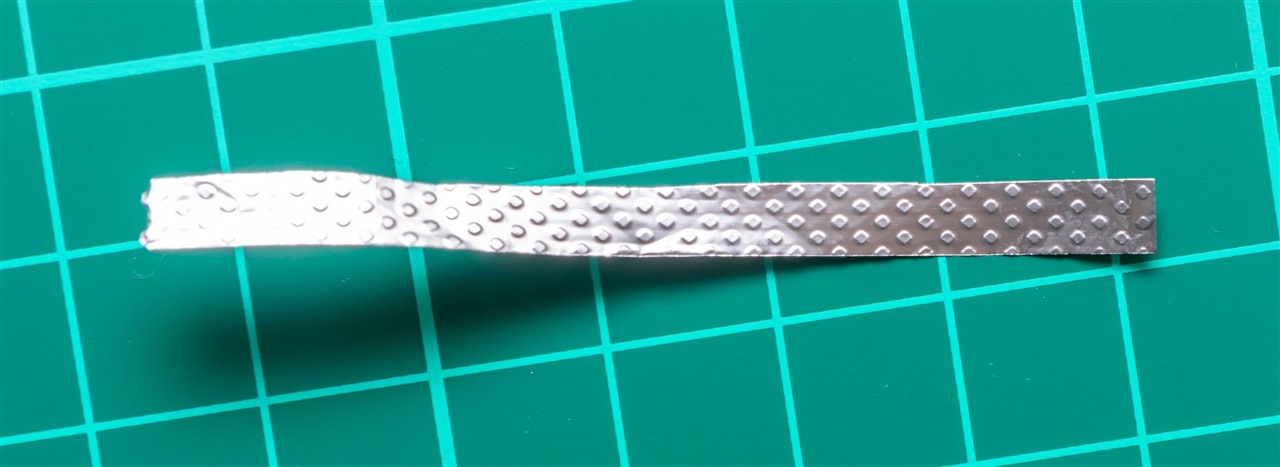
The ends of the foil were connected by alligator clips to banana test leads and the foil was kept under a small amount of tension due to gravity. The whole experiment is encased in a glass jar for safety and to avoid airflow effects on the foil. Power was supplied by a Rohde & Schwarz HMP4040 power supply, which swept current upwards at 0.3A/s from 0 to 10A.

The fuse actually did break during the sweep, confirming that it can operate as a fuse.

Specifically, it broke right at 10A, meaning it had sustained a current above 5A for a total of around 16 seconds. This isn’t terrible, considering that ordinary time-delay fuses have an I2t characteristic where double the nominal current takes about 20s (Littelfuse 0213 series). There were earlier signs of thermal stress, but it would seem that given the right careful calculation, it is possible to engineer a crude fuse by cutting aluminium foil into the right width.
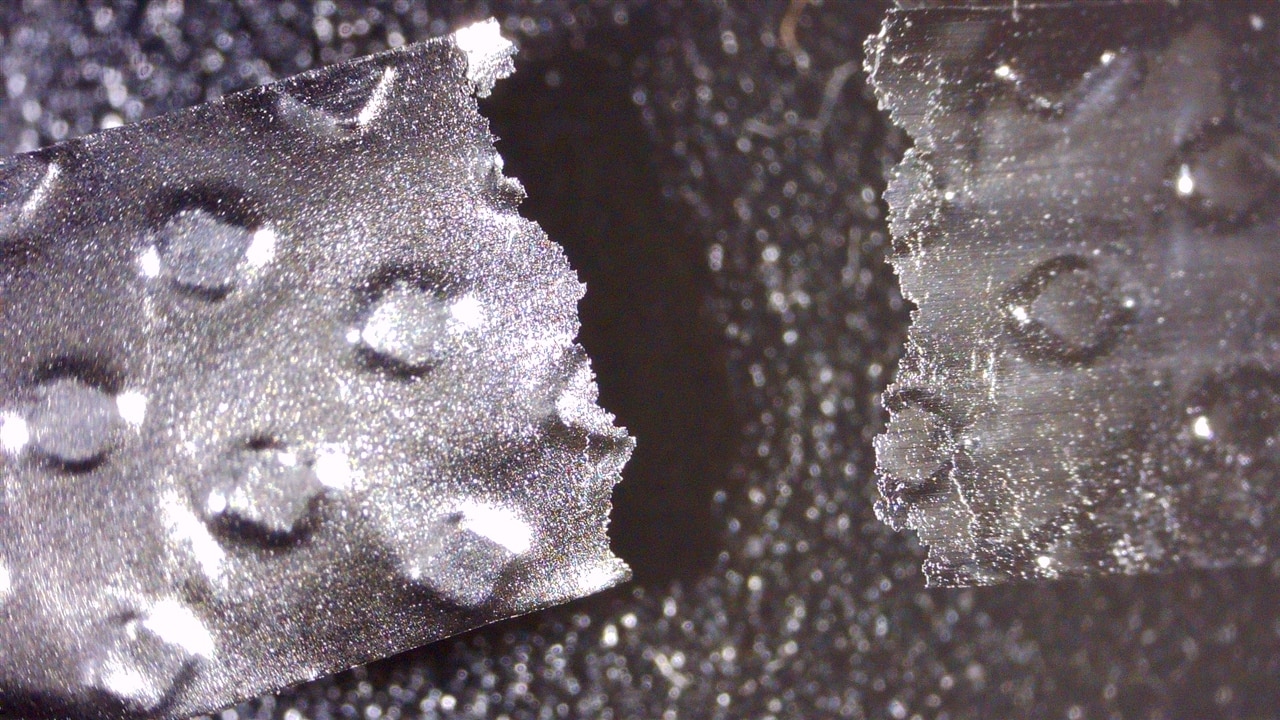
A look at the ends under a microscope shows that the ends are not smooth, indicating that the failure was not just the foil tearing under tension. There is some evidence of a slight colour change, likely a concentration of heating as portions of the foil began to break apart, reducing the available area for conduction. The tension of the clips was definitely a positive, as it ensured the fuse broke apart quickly once it had melted through, so there would not be any possibility of the ends re-joining due to molten aluminium re-solidifying.
The element13 Headwave aTtenuator Foil DevKit was an interesting product to review. Packaged compactly, the foil sheets resemble ordinary food-grade aluminium foil in appearance and thickness and lack much in the way of specifications or documentation. Due to an unknown, perhaps proprietary alloy blend, use for applications outside of shielding and electrical conductivity are not recommended. However, it does appear to be predominantly aluminium, thus it is recyclable and ecologically friendly.
In its intended application, the foil was able to form to the shape of headwear, although the size of the sheets and the textured surface meant that coverage could be difficult to maintain under all environmental conditions and over longer periods of wear. A double-layer design, located internally, with a single-use policy is recommended to avoid tears and holes forming which would compromise protection, the potential for accidents due to reflected incident radiation and unnecessary questions (or hat type mis-identification) from passersby. It is noted that the foil provides aTtenuation, and not elimination of radio waves entirely, with its performance being strongly impacted by frequency of wave. Outside of this application, it also seems to be able to perform the functions of a fuse, albeit with less consistency.
Unfortunately, it’s hard to know if this product would fly off the shelves, as the pricing has not been revealed and availability seems rather limited. But due to its similarity with food-grade aluminium foil, it seems likely that many engineers will choose it as a drop-in-replacement, which could really hurt element13’s prospects of breaking into this market. Furthermore, some sheets were undersized and the included self-adhesive labels contain a typographical error, suggesting that quality control may be lacking. Due to the similarity with element14 (who runs the site), I suspect element13 could potentially face legal difficulties.
Thanks again to element14 for the opportunity to review this product from element13. I hope you found this review useful, entertaining, or informative. If you have any questions, please leave a comment below and I’ll try to answer them as best as I can. Thanks for reading along and hope to see you all again, 1st April 2027.


