element14 Community
element14 Community
    Register Log In
  • Site
  • Search
  • Log In Register
  • Community Hub
    Community Hub
    • What's New on element14
    • Feedback and Support
    • Benefits of Membership
    • Personal Blogs
    • Members Area
    • Achievement Levels
  • Learn
    Learn
    • Ask an Expert
    • eBooks
    • element14 presents
    • Learning Center
    • Tech Spotlight
    • STEM Academy
    • Webinars, Training and Events
    • Learning Groups
  • Technologies
    Technologies
    • 3D Printing
    • FPGA
    • Industrial Automation
    • Internet of Things
    • Power & Energy
    • Sensors
    • Technology Groups
  • Challenges & Projects
    Challenges & Projects
    • Design Challenges
    • element14 presents Projects
    • Project14
    • Arduino Projects
    • Raspberry Pi Projects
    • Project Groups
  • Products
    Products
    • Arduino
    • Avnet & Tria Boards Community
    • Dev Tools
    • Manufacturers
    • Multicomp Pro
    • Product Groups
    • Raspberry Pi
    • RoadTests & Reviews
  • About Us
    About the element14 Community
  • Store
    Store
    • Visit Your Store
    • Choose another store...
      • Europe
      •  Austria (German)
      •  Belgium (Dutch, French)
      •  Bulgaria (Bulgarian)
      •  Czech Republic (Czech)
      •  Denmark (Danish)
      •  Estonia (Estonian)
      •  Finland (Finnish)
      •  France (French)
      •  Germany (German)
      •  Hungary (Hungarian)
      •  Ireland
      •  Israel
      •  Italy (Italian)
      •  Latvia (Latvian)
      •  
      •  Lithuania (Lithuanian)
      •  Netherlands (Dutch)
      •  Norway (Norwegian)
      •  Poland (Polish)
      •  Portugal (Portuguese)
      •  Romania (Romanian)
      •  Russia (Russian)
      •  Slovakia (Slovak)
      •  Slovenia (Slovenian)
      •  Spain (Spanish)
      •  Sweden (Swedish)
      •  Switzerland(German, French)
      •  Turkey (Turkish)
      •  United Kingdom
      • Asia Pacific
      •  Australia
      •  China
      •  Hong Kong
      •  India
      •  Japan
      •  Korea (Korean)
      •  Malaysia
      •  New Zealand
      •  Philippines
      •  Singapore
      •  Taiwan
      •  Thailand (Thai)
      •  Vietnam
      • Americas
      •  Brazil (Portuguese)
      •  Canada
      •  Mexico (Spanish)
      •  United States
      Can't find the country/region you're looking for? Visit our export site or find a local distributor.
  • Translate
  • Profile
  • Settings
Passive Components
  • Technologies
  • More
Passive Components
Documents Audio Tweaker's Wishlist - What do I need to build/maintain audio gear?
  • Blog
  • Forum
  • Documents
  • Quiz
  • Events
  • Polls
  • Members
  • Mentions
  • Sub-Groups
  • Tags
  • More
  • Cancel
  • New
Join Passive Components to participate - click to join for free!
Actions
  • Share
  • More
  • Cancel
Engagement
  • Author Author: dychen
  • Date Created: 10 Jan 2022 10:02 PM Date Created
  • Last Updated Last Updated: 28 Mar 2023 12:25 PM
  • Views 51076 views
  • Likes 12 likes
  • Comments 78 comments
Related
Recommended

Audio Tweaker's Wishlist - What do I need to build/maintain audio gear?

image

Many makers and engineers got into engineering through audio. Whether it be building a guitar pedal or modding the power amp in your home theater, working with audio components is a fun way to use your engineering skills.

This wishlist presents some of the tools and parts you need for working with audio. Audio is a broad topic, so this wishlist is a general overview of analog audio components. We'll get specific in later articles.

Tools
For audio related building, here are some handy tools to have on your bench!

Oscilloscope
An oscilloscope is your best friend for audio work. They can be used to check frequency response, distortion characteristics, and everything other specification that is important to an audio signal.
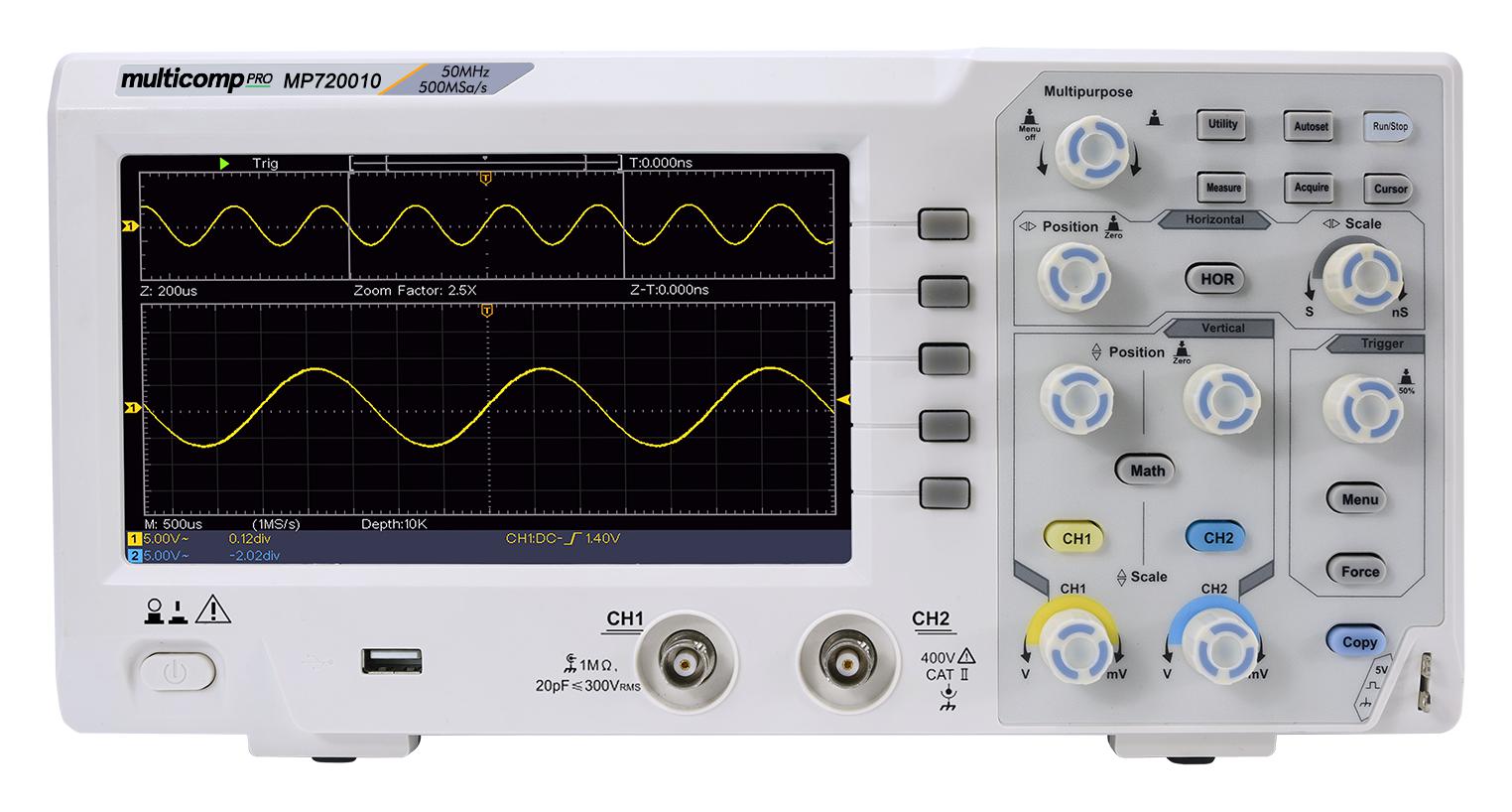
Oscilloscope

Multicomp Pro Oscilloscope

Function Generator
Audio work is all about frequencies. A function generator sends different kinds of waves at different frequencies so you know if your build is responding the way you want it to.
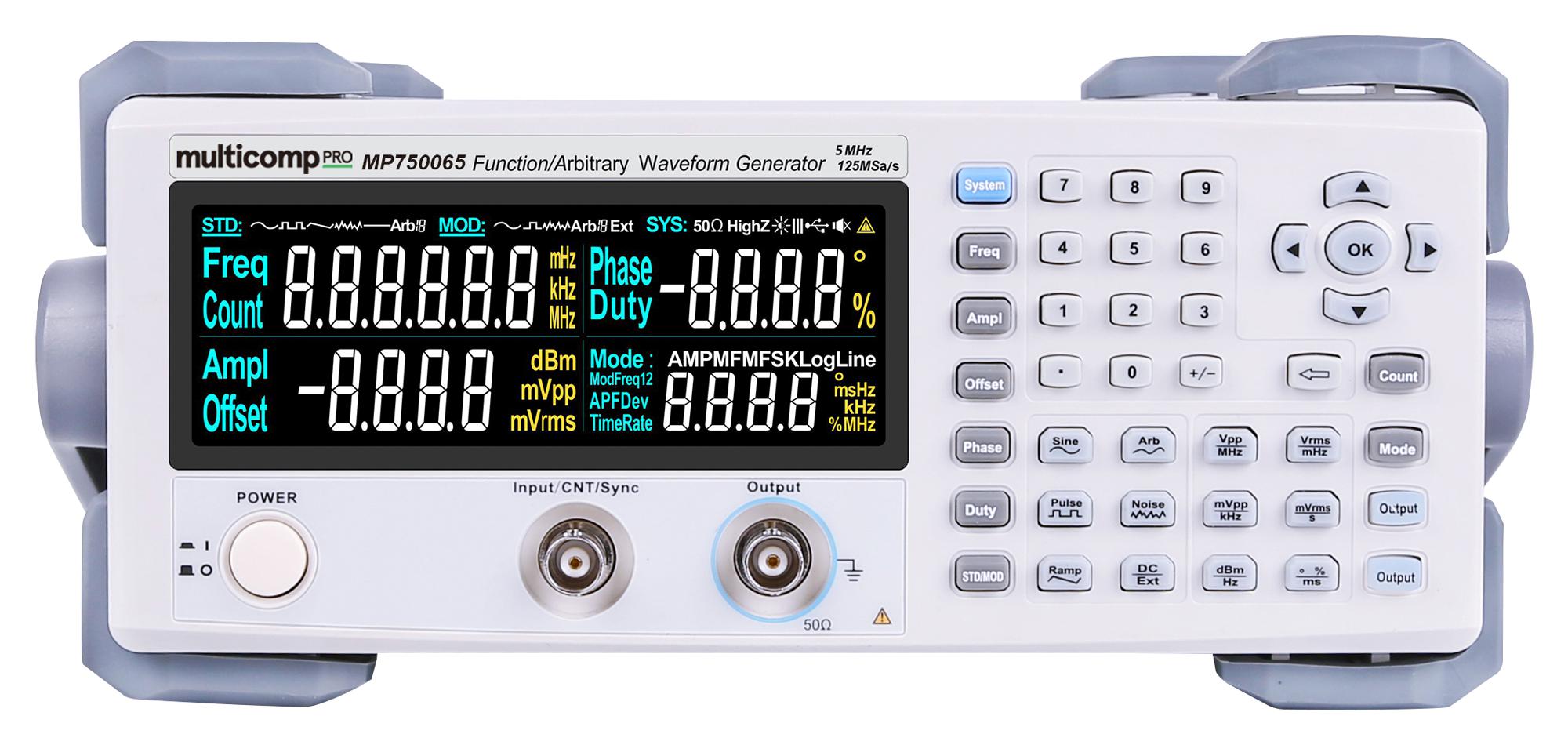
 Function Generator

Multicomp Pro Function Generator

Multimeter
Multimeters are essential for every kind of electronics work; audio is no different.
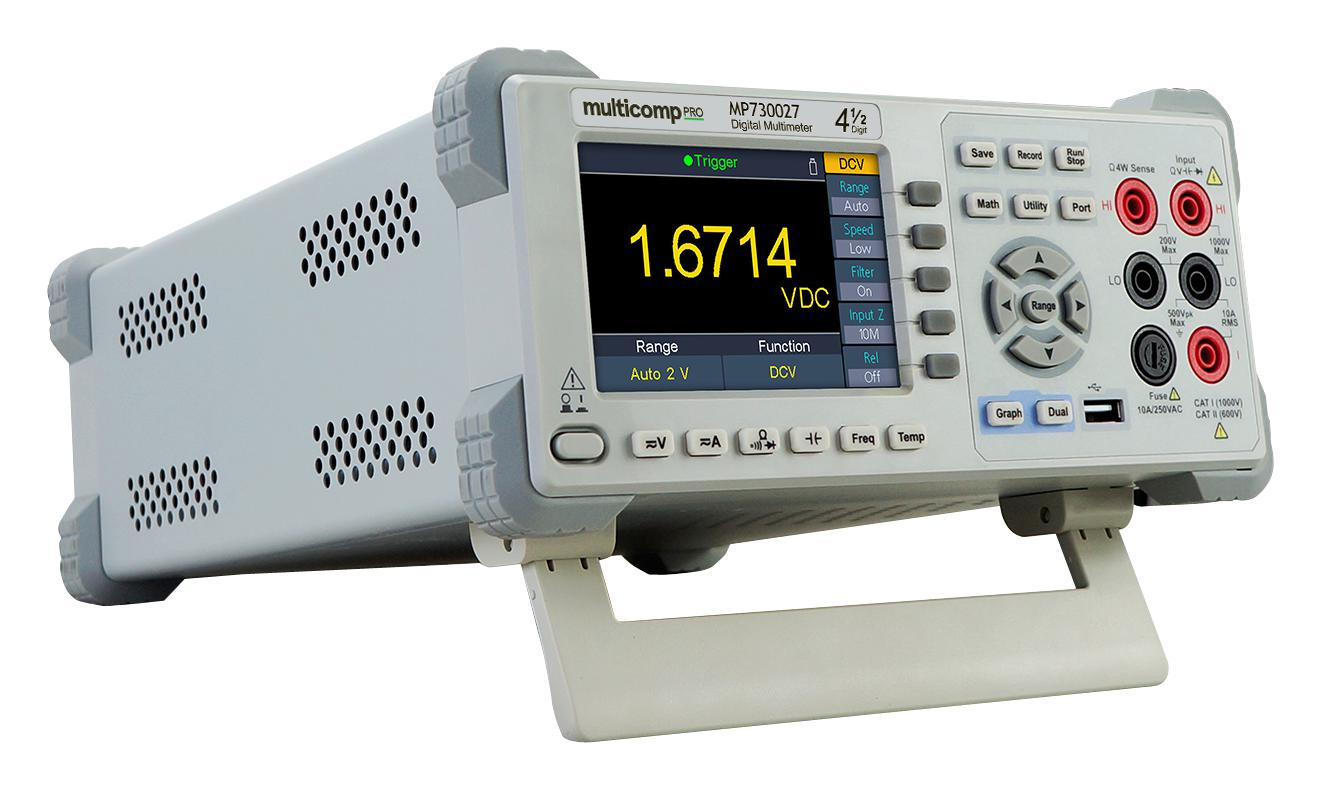
Multimeter

Multicomp Pro Multimeter

Speaker Dummy Load
Since we can't use speakers for our testing, all that power needs someplace to go. A dummy load simulates a speaker in your circuit without blowing your head off with volume. A dummy load can be built with a high wattage resistor at the desired resistance, usually 4, 8, or 16 ohms for speakers.
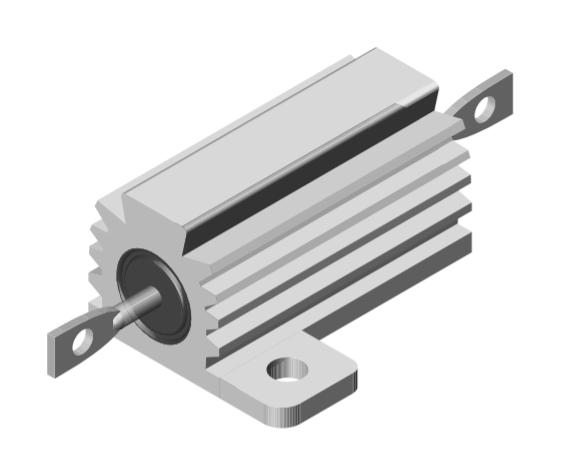
Speaker Dummy Load

Vishay Dummy Load

Contact Cleaner
If you're repairing equipment that has scratchy pots, many times, a bottle of contact cleaner is all you need. Drip a little bit into the pot and exercise it; your noise issues will often disappear.
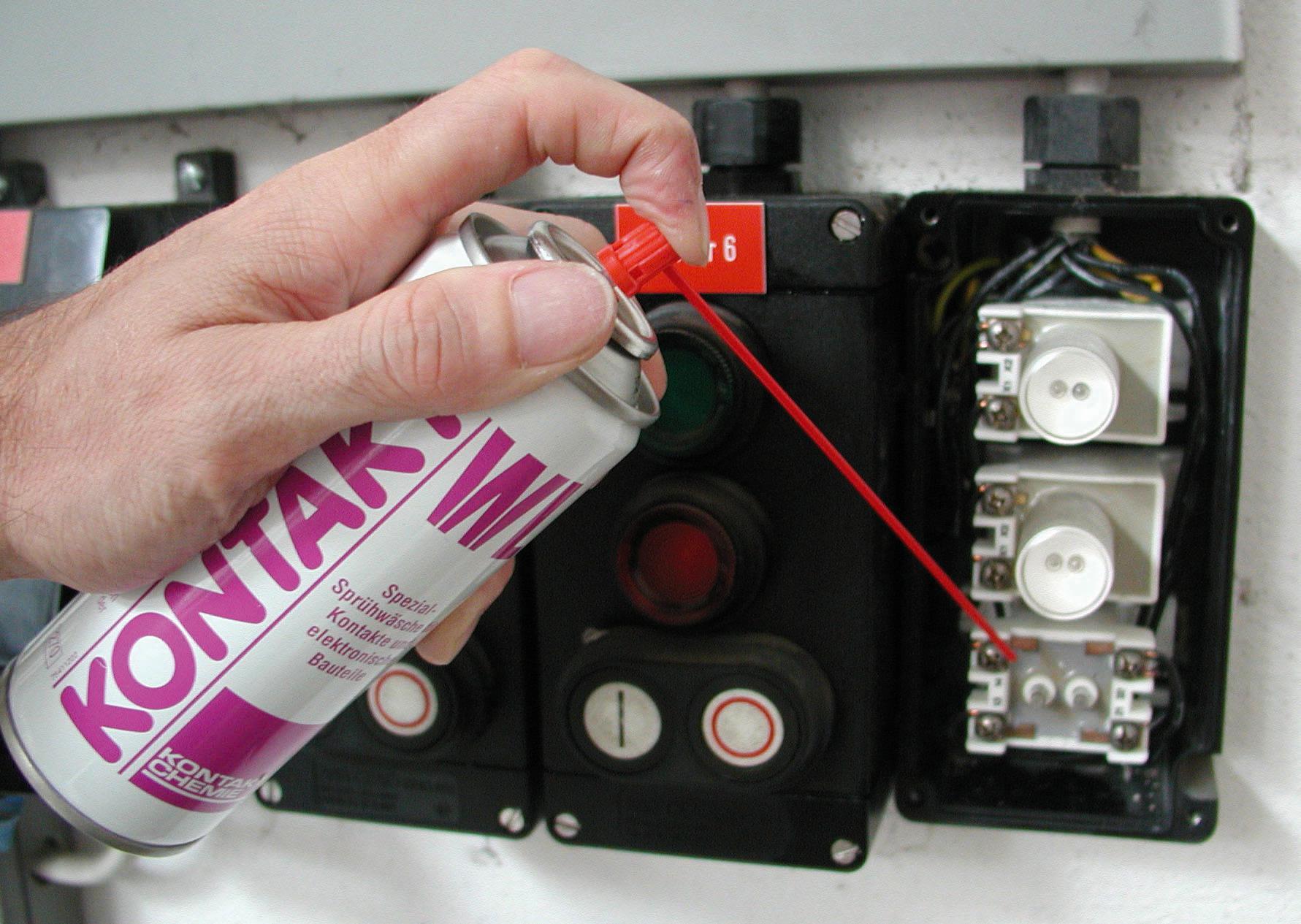
Contact Cleaner

Contact Cleaner  

Helping Hands
You've probably already got a nice soldering station, so we won't get into soldering equipment, but with any soldering project, because we don't have six arms ourselves, a set of helping hands is very valuable.
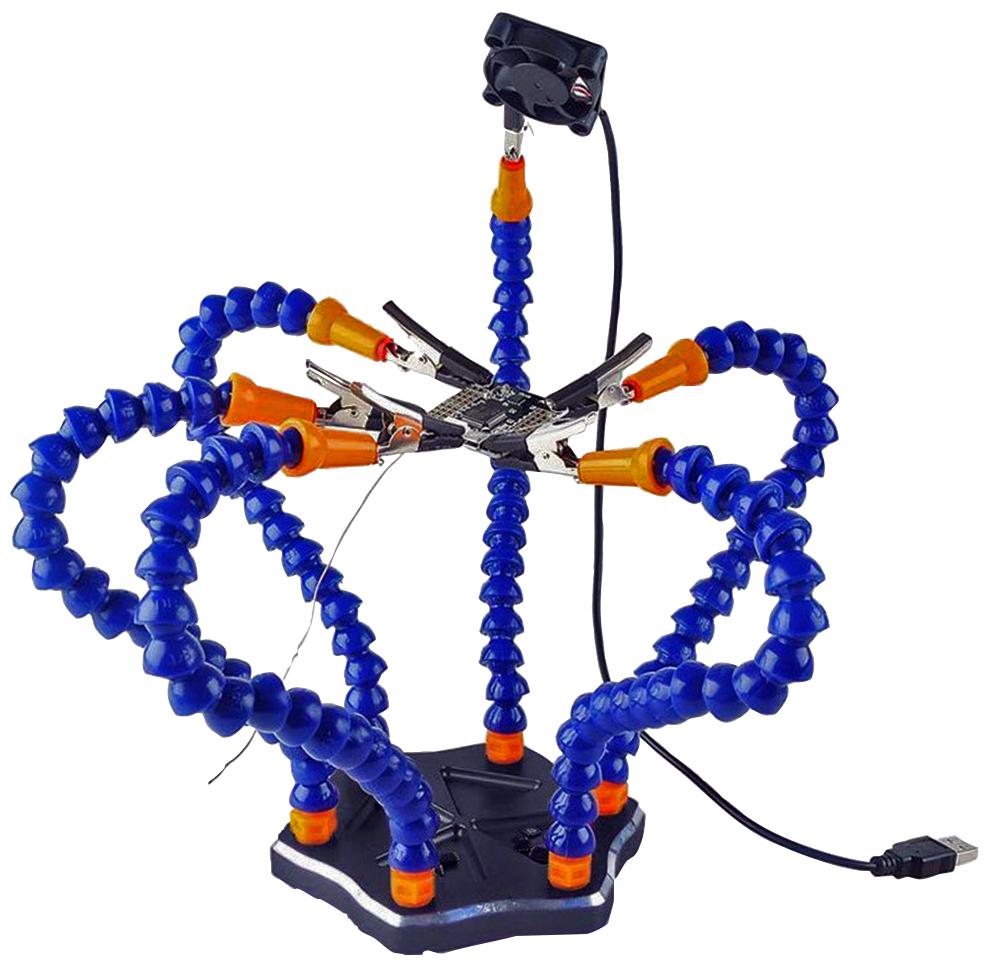
Helping Hands

Duratool Helping Hands

Components
Audio circuits use a wide variety of analog components to keep that audio sounding good.

Transistors
Transistors are typically used to amplify audio signals, and sometimes distort. Different types of transistors have different characteristics, whether they are BJT, MOSFET, JFET, or even silicon or germanium.
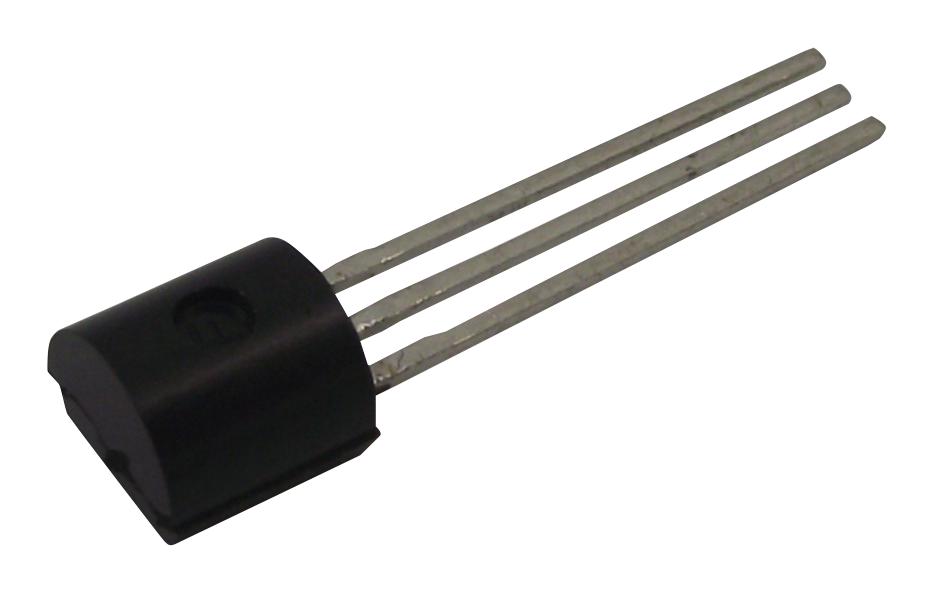
Transistor

Multicomp Pro Transistor

Potentiometers
If you're putting any kind of analog controls on your new creation, you'll likely need pots or faders.
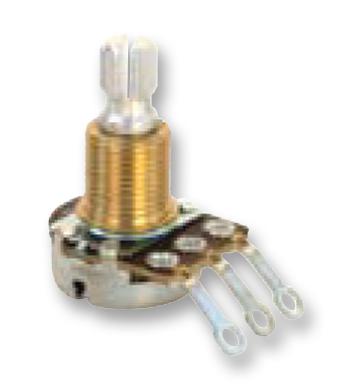
Potentiometer

Bourns Potentiometer

Opamps
Opamps (operational amplifier) designed to amplify signals and there's a wide range, from large and discrete, like the vintage API 2520 (and its descendants), to surface mount. Opamp design has come a long way and newer opamps, like the AD797, boast near zero distortion and noise, although classic opamps like the TL072 and 5532 still offer great sounds in the right circuit.
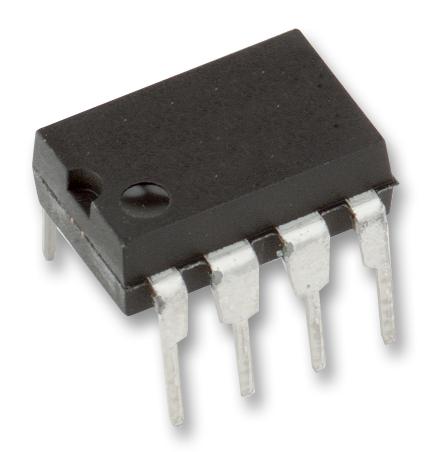
Opamp

AD797 Opamp

Transformers
Transformers do a whole lot of things in an audio circuit; impedance matching, balancing, stepping up or down, etc. Because they only transmit audio signals, transformers also provide an important benefit: isolation.
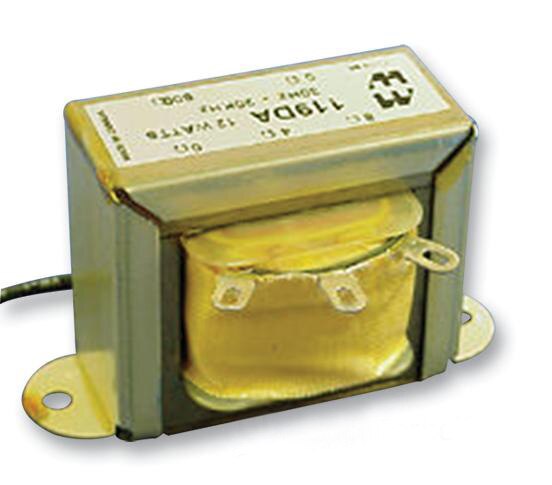
Transformer

Hammond 119DA Transformer

Power Supply
Your opamps and transistors need to be powered, so chances are you'll need a good DC power supply. Op amps typically take somewhere in the range of +/-16V, while a discrete transistor based circuit might require a 24V supply. If you're making a microphone preamp that supplies phantom power, you'll need to supply 48V.
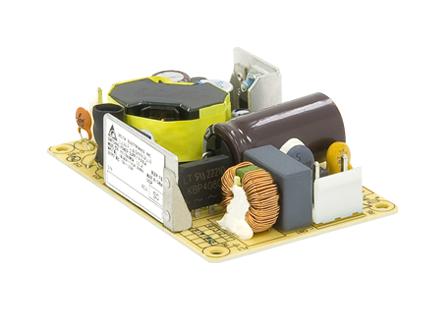
Power Supply

Delta 24V Power Supply

Connectors
To get your audio signal in and out of your circuit, you'll need connectors.
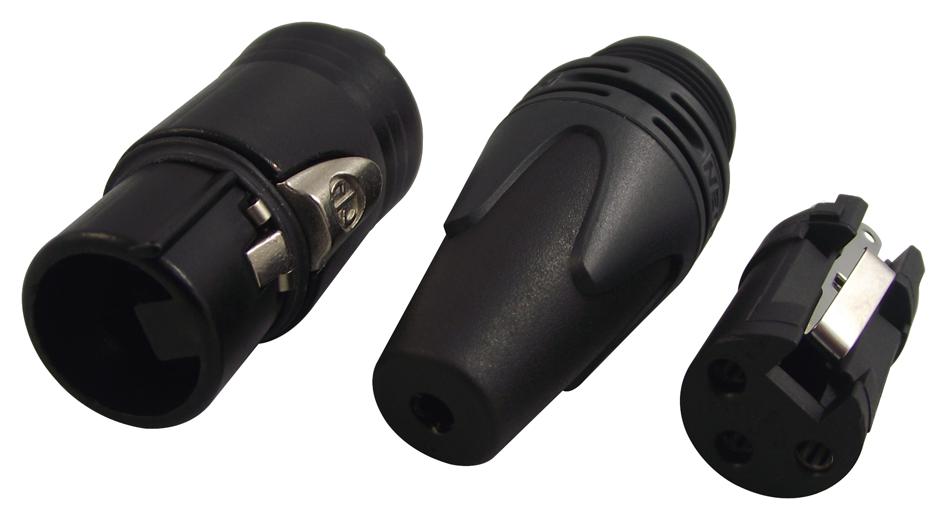
 

XLR Connector

Neutrik XLR Connector

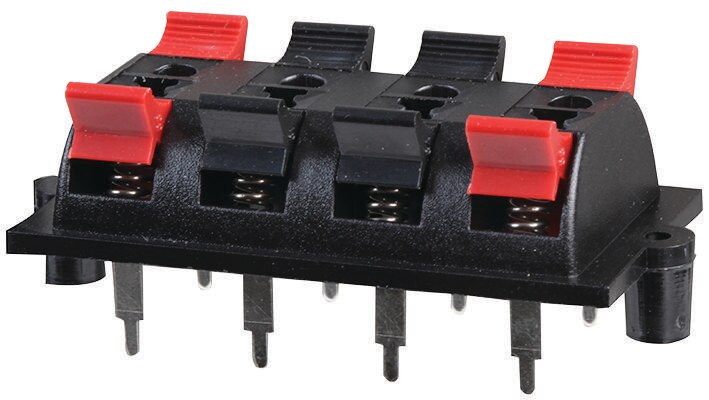
Terminal connectors

Cliff 8-Way Spring Terminal

Speakers, Headphones, and Mic
Now the fun part! The most important tools for testing audio devices are your ears.  Speakers, speaker drivers, and headphones are the most important tools once you're ready to test your design. Fingers crossed that you don't get a blast of loud feedback when you flip the switch!
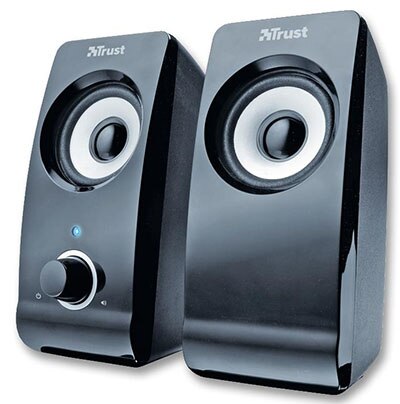

Trust powered speakers

Trust Speakers

Headphones

Koss UR20 Headphones


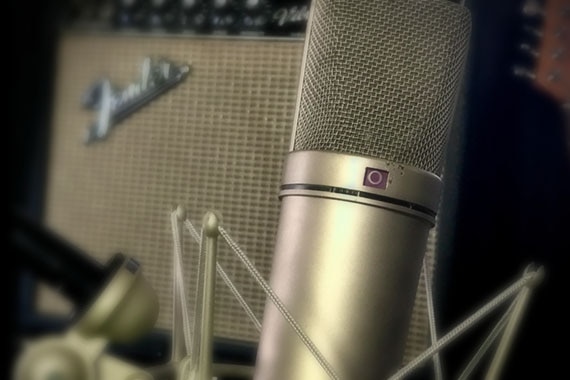
There are several different types of microphones – large diaphragm condensers, small diaphragm condensers, dynamics, ribbons, and more, all designed for specific purposes. We’ve selected a lavalier because it’s a tiny inexpensive mic that is convenient for testing on the bench.
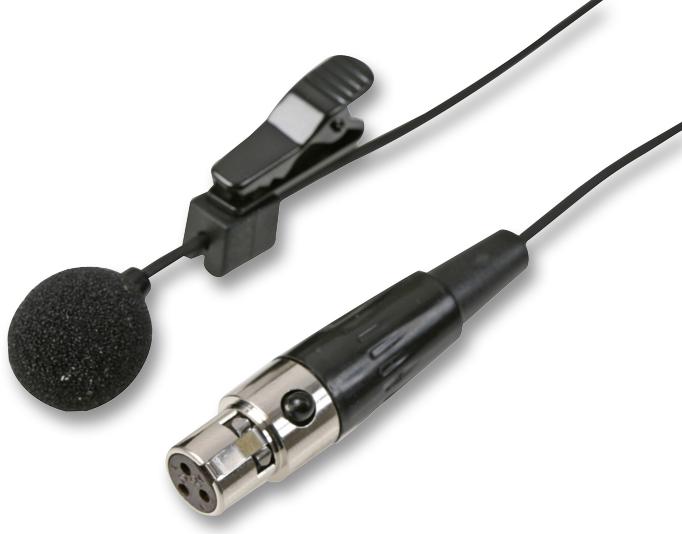
Microphone

Pulse Lavalier Microphone

  • Audio Giveaway
  • audio
  • Audio Tweakers
  • sound
  • music
  • Home Theater
  • Share
  • History
  • More
  • Cancel
  • Sign in to reply

Top Comments

  • dychen
    dychen over 4 years ago +2
    Here's a shot of my studio. Forgive the mess...it's a work in progress. All the gear was collected over the years, sometimes not working. I repaired/recapped everything so that it's all working...well…
  • phoenixcomm
    phoenixcomm over 4 years ago in reply to Jan Cumps +2
    I love tape.. hisss.
  • robogary
    robogary over 4 years ago +2
    Lets have a hearty cheer for one of our best friends in building analog audio circuits - the DC blocking capacitor ! HEAR ! HEAR ! :-) My other dear friend is the audio transformer. I actually use Midcom…
Parents
  • taifur
    taifur over 4 years ago

    I have a 100W stereo speaker (top one) that I made several years ago and used for around three years. Then I won an audioengine2+ desktop speaker from an instructables.com contest and I started using that. It's really awesome and I love it. In this zoom era, it is really helping me with the clear and loud voice. You can say, it's my poor man's home theater.

    Poor man's home theater

    • Cancel
    • Vote Up +1 Vote Down
    • Sign in to reply
    • More
    • Cancel
  • robogary
    robogary over 4 years ago in reply to taifur

    what is the detail of the 100W speaker  enclosure? 

    In the enclosure, is one speaker powered and the other unpowered ?  or is a stereo enclosure with 2 speakers with a barrier between 2 compartments  for each speaker ? 

    Seeing 4 small vent holes in front, it doesnt seem built as a ported bass reflex, nor a sealed enclosure.  

    The enclosure looks pretty robust and heavy , something to play with to get deep bass to complement the  A2+desktop speakers.

    I built a small ported sub woofer enclosure for a 4 inch woofer speaker to use with my Raspberry Pi Retro game system, and it packs a punch. 

    One thing done with speaker enclosures is to line with fiberglass or other insulation to prevent reflections of higher frequencies inside. I sprayed mine with Plasti-Dip and generously caulked all the  inside corners to reduce reflections.  

    • Cancel
    • Vote Up +1 Vote Down
    • Sign in to reply
    • More
    • Cancel
  • taifur
    taifur over 4 years ago in reply to robogary

    I am not an expert in amplifier design. I made it just as an amplifier lover and I guess there are some design errors on it. The holes are for the controlling knobs for the amplifiers. As I am not currently using it I removed the amplifier circuit from it. My building details are here: www.instructables.com/.../image

    • Cancel
    • Vote Up +1 Vote Down
    • Sign in to reply
    • More
    • Cancel
  • robogary
    robogary over 4 years ago in reply to taifur

    thanks for the link explaining details. The speaker cones looked alot bigger than 3 inches in the photo. 

    If you really wanted to go in depth into the speaker enclosure design here is a helpful link https://www.diyaudioandvideo.com/Guide/BuildSpeakerBox/

    I used a TPA3116D2 (XH-M139 2x50W +100W 2.1 Channel Digital Subwoofer Power Amplifier TPA3116D2) because it features stereo output and a subwoofer output. I used older 4 ohm car speakers ( with wheezers ) for left and right sides with custom designed ported MDF enclosures , and the 4 ohm sub woofer is a 4 inch cone, with a custom enclosure to fit inside the retro game console, slightly facing up at the players just under the  video screen. 

    I oversize the amplifier on purpose because as you get near rated power, THD gets really really poor. This model running at 12V would be half published power 2X 25W + 50W.  It matches well with the 4 ohm speaker's power rating altho and it never runs near rated power because it is on a video game and gets really really  loud if turned up. The point of the power is to drive headroom for dynamic range for special effects, like turtle shells hitting Mario carts, wrecks, explosions,screams & growls, zombies eating brains,  Zomies Ate the Neighbors really sounds awesome with this system.

    image

    The amplifier is powered with 12V.  When the amp is first powered up, it would gate full on thru the speakers, making a racket, but also sagging the power supply which is not sized for maximum output power. 

    The speaker coils run thru normally open relay contacts in series with audio output. When power is applied , the arduino has a time delay after boot up  then picks up the relays connecting the amplifier to the speakers . 

    The Arduino is way overkill just to be used for a time delay, BUT, cost wise is actually cheaper and faster than building a timing circuit with a 555 timer driver and playing with resistors and capacitors. The Arduino Nano is a clone , several years ago I could get clone Nanos for $2 each , so I regularly bought them by the dozen for projects.

    image

    Good luck with more work on your audio projects with wifi. 

    • Cancel
    • Vote Up +2 Vote Down
    • Sign in to reply
    • More
    • Cancel
  • taifur
    taifur over 4 years ago in reply to robogary

    Thank you for the link and for all the information. 

    • Cancel
    • Vote Up 0 Vote Down
    • Sign in to reply
    • More
    • Cancel
  • phoenixcomm
    phoenixcomm over 4 years ago in reply to robogary

    yes, I too have played with wood. my biggest box was a folded horn with a 15" blower in it. 

    • Cancel
    • Vote Up 0 Vote Down
    • Sign in to reply
    • More
    • Cancel
Comment
  • phoenixcomm
    phoenixcomm over 4 years ago in reply to robogary

    yes, I too have played with wood. my biggest box was a folded horn with a 15" blower in it. 

    • Cancel
    • Vote Up 0 Vote Down
    • Sign in to reply
    • More
    • Cancel
Children
No Data
element14 Community

element14 is the first online community specifically for engineers. Connect with your peers and get expert answers to your questions.

  • Members
  • Learn
  • Technologies
  • Challenges & Projects
  • Products
  • Store
  • About Us
  • Feedback & Support
  • FAQs
  • Terms of Use
  • Privacy Policy
  • Legal and Copyright Notices
  • Sitemap
  • Cookies

An Avnet Company © 2026 Premier Farnell Limited. All Rights Reserved.

Premier Farnell Ltd, registered in England and Wales (no 00876412), registered office: Farnell House, Forge Lane, Leeds LS12 2NE.

ICP 备案号 10220084.

Follow element14

  • X
  • Facebook
  • linkedin
  • YouTube