


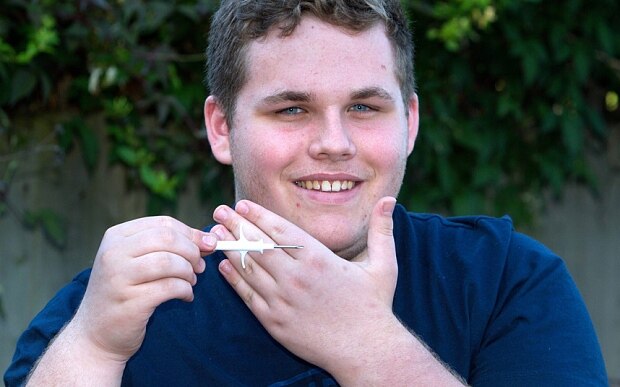
Bryon Wake (15) injected himself with an nXTi chip that will allow him to interface with devices outfitted with NFC technology.
Some teens are widely renowned for the projects they’ve done in the world of DIY- Jack Andraka’s Pancreatic Cancer Test, Quin Etnyre’s online business Qtechknow and Kelvin Doe’s Sierra Leon Radio Station are just a few examples of what young minds can do. On the other hand, some teens lean towards body modifications to express themselves- piercing, tattoos and in some cases implants. No, not the image-enhancing kind but rather the NFC/RFID kind. While there’s estimated to be around 10,000 people around the globe who have had those chips implanted into their bodies, Bryon Wake is speculated to be the youngest at just 15.
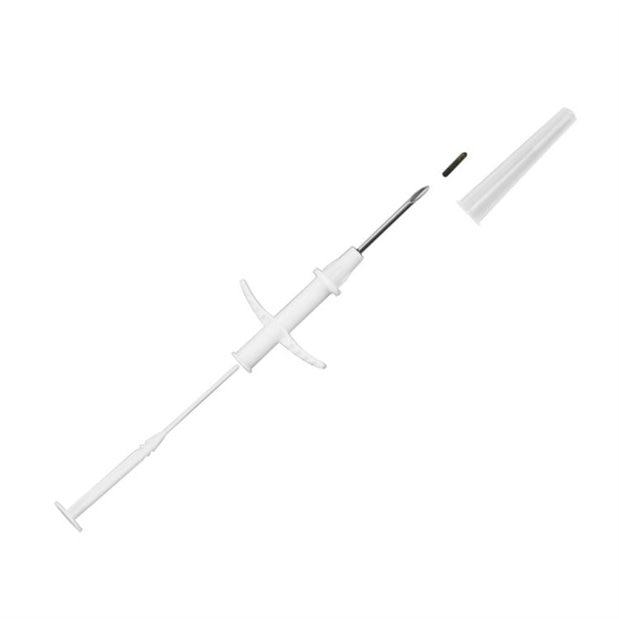
Dangerous Things’ recommends going to a piercing professional, certified nurse or doctor to implant their xNTi Tag.
Bryon, against his parent’s wishes, decided to inject a Dangerous Things xNTi tag into his hand to interact with his smartphone, play music (via Bluetooth connection and transfer business cards. While he did it himself, he did go see a doctor afterwards to make sure everything was copacetic, however Dangerous Things recommends NOT doing it yourself but rather have a professional piercer or medical professional perform the procedure to lessen the risk of infection.
The xNTi kit has everything need to jam the NFC Type 2 compliant NTAG216 based xNT tag into the appendage of choice, including the injector with sterile pre-loaded tag, ChloraPrep skin sanitizer, gauze, Band-Aid and latex surgical gloves.
The xNTi tag can be programmed and read by almost any 13.56MHz RFID-based system and all NFC outfitted devices including USB and mobile phones. It should be noted at this point that their xNTi tag hasn’t been tested or certified by any US alphabet agency, notably the FDA or the FCC and that, like most invasive medical procedures, there is a risk of infection.
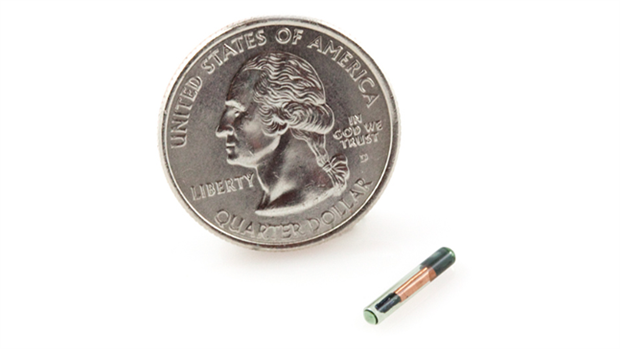
The xNTi tag is about the size of a grain of rice and can be programmed using almost any 13.56MHz system.
Individuals are not the only ones chipping themselves as even some companies are having their employees outfitted with the technology as well. Sweden’s House of Innovation, Epicenter, offered every one of their over 700 employees the ability to be chipped. No longer do they need an ID card to get into the building, use office equipment or even buy lunch- they simply wave their hands next to an NFC reader to pay.
Not surprisingly, the first human to implant himself with a silicon transponder, Professor Kevin Warwick (University of Reading) noted Bryon’s chip implant and feels the future possibilities of using said chips are endless. Will "Injectables" be the next wearables?
C
See more news at: