


Introduction
Why Air Quality Is Important?
Air quality is important because it affects our health. An adult breathes 15,000 litres of air every day. When we breathe polluted air pollutants gets into our lungs and through this, they can enter the bloodstream and be carried to our internal organs such as the brain. The pollutants which enter the body can cause severe health problems such as asthma, cardiovascular disease and even reduces the quality and number of years of life. Moreover, polluted air also can cause eutrophication and acidification to our ecosystems which results in the loss of agricultural productivity, irreversible damage to the ecosystem, and the loss of biodiversity. Hence a good outdoor air quality is fundamental to our well-being. In this project, we will be focusing on the importance of dust measurement at the workplace. As I have mentioned earlier, respiratory disease is one of the most difficult workplace hazards to control. This is very true in industries such as mining and construction. Inhaling the dust can cause a myriad of health problems. Unlike large hazards that can be physically moved, such as heavy equipment, controlling dust is incredibly complicated. Moreover, in developing countries especially in the urban areas, it is very important to carry out environmental monitoring during the construction of facilities or other building.
In this project, we will be focusing on monitoring the dust as part of the air quality monitoring system.
Why Monitoring The Dust is Important at Workplace?
Here is the reason why it is important to monitor dust at the workplace
1. More people are being affected by dust particles than any other pollutant.
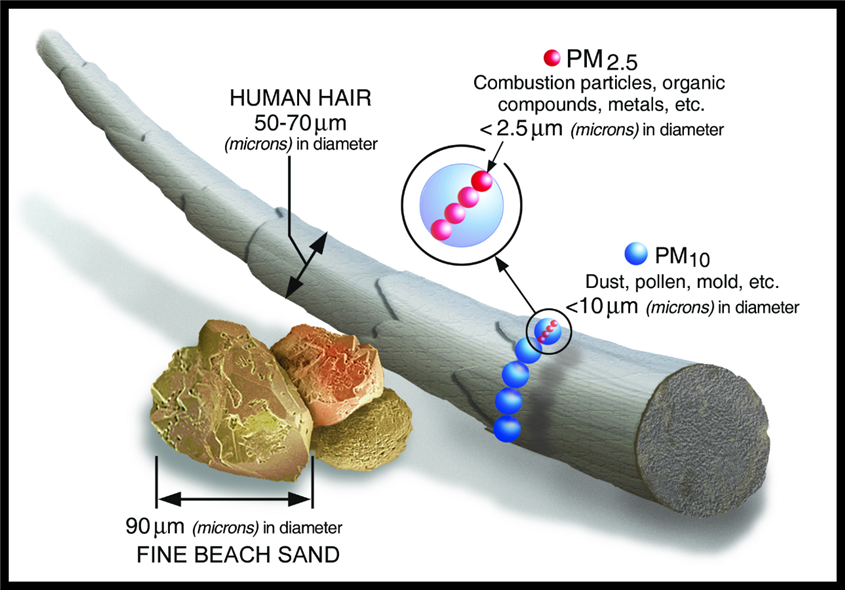
According to the world health organization, particulate matter is the most widespread pollutant. The particles in dust are commonly measured in two ways either PM10 and PM2.5. These numbers correspond to the size of the particle diameter in µm. These particles are incredibly small— a human hair, for example, has a diameter of about 60 µm. PM10 particles include any particles that are smaller than 10 µm. This is the category dust falls into.
2. Dust is one of the biggest factors of overall air quality
The pollution in that air mainly originates from dust, volatile organic compound gases, and CO2. According to the World Health Organization, there are no healthy levels of dust in the air— any quantity of dust can be damaging to health.
3. Dust Impacts Your Project
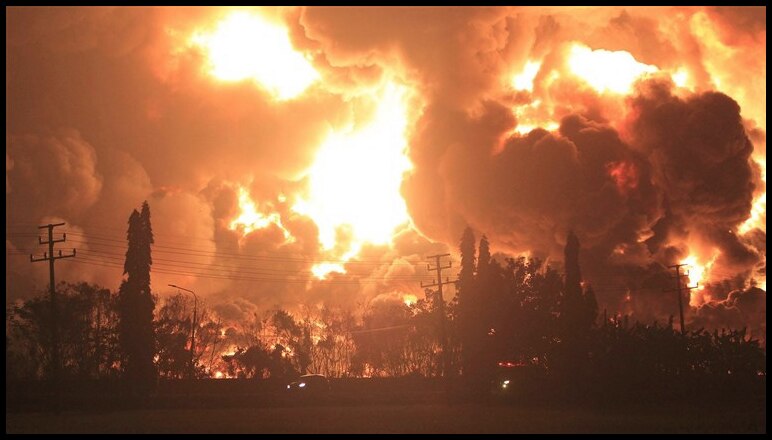
Whether you’re building, mining, or farming, hazardous dust have a myriad of effects on the overall process and results of your project. All air pollutants can impact the local environment, but dust is particularly harmful due to how quickly it can spread. The dust can affect local plants and animals. Dust particles can be inhaled by animals to cause breathing problems. Dust is also one of the major causes of accidental explosions and fires. Without an understanding of how much dust is in the air around your project, you run the risk of accidental explosion.
4. Health Consequences are Disastrous
Dust is a silent assailant. Since the particles are so small, they often travel past the nose and throat cavities and settle in the lungs. Uncontrolled inhalation of dust can cause lung cancer, premature delivery, respiratory diseases, cardiovascular diseases, and premature death. Dust is most dangerous for those with asthma. With asthma, dust in the lungs can trigger bronchoconstriction, the tightening of the lungs. This symptom causes wheezing, coughing, and shortness of breath.
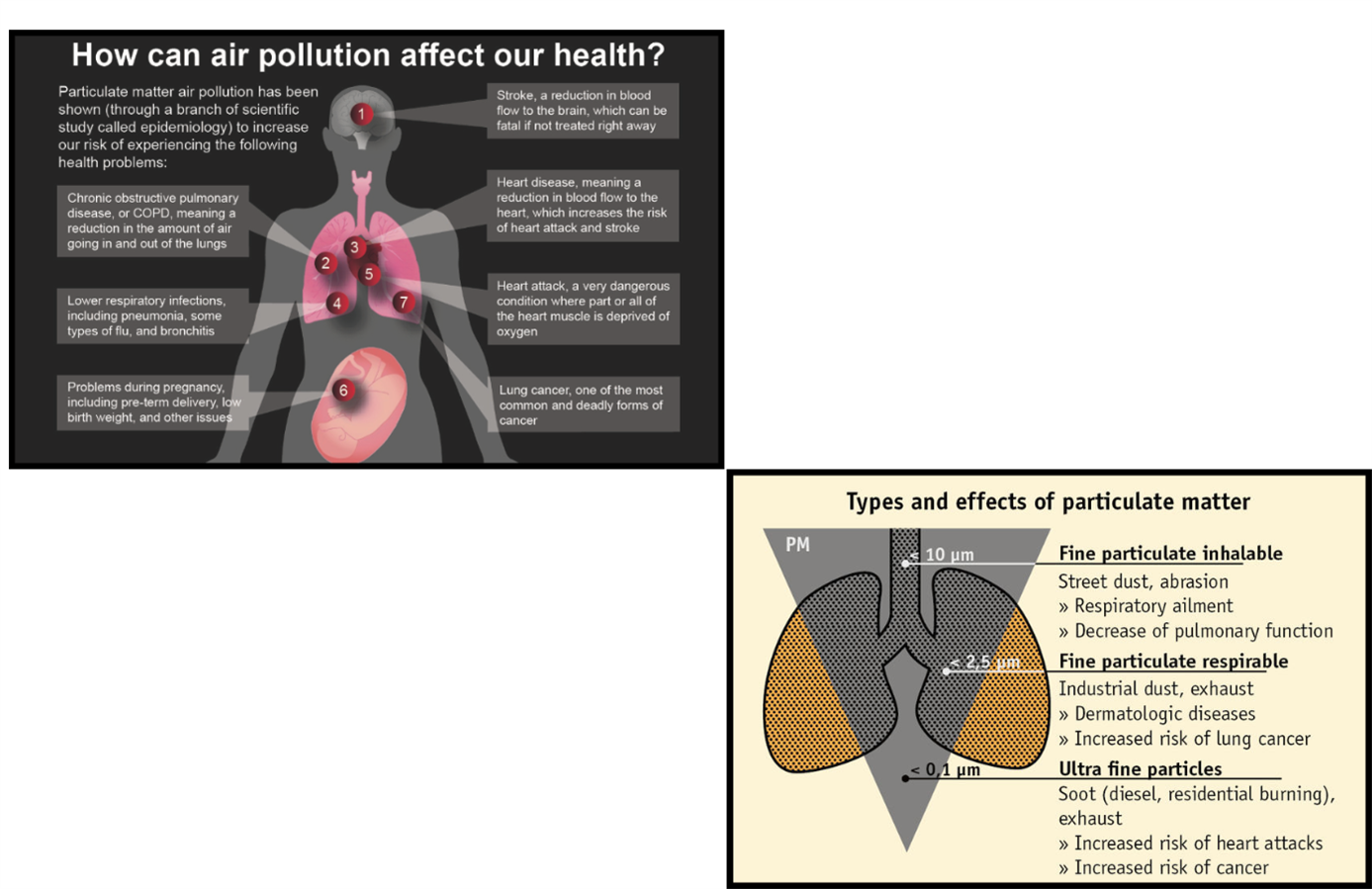
Now let's look into the detail on the importance and application of monitoring PM2.5 and PM10 in air quality monitoring
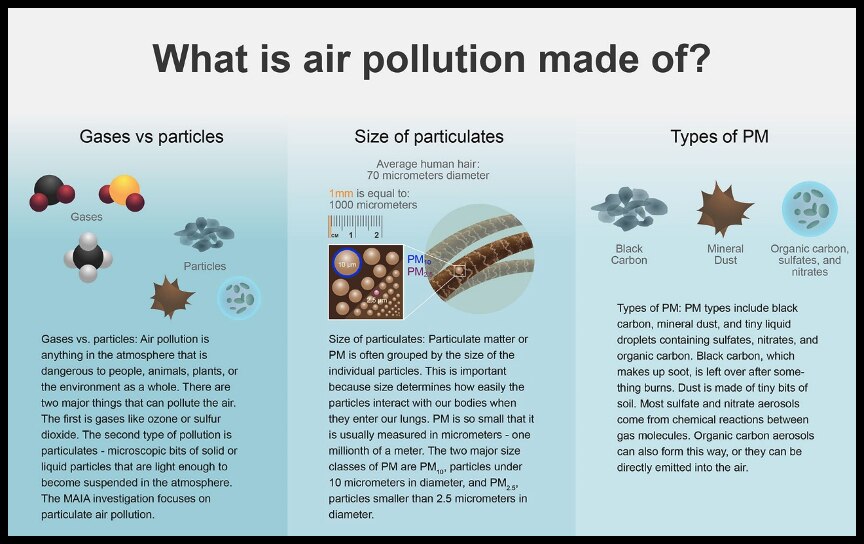
Well, one must be curious why we specifically monitor PM2.5 and PM10. In order to understand that, first we must address what is particulate matter and how it is measured. According to USEPA, particulate matter (or commonly referred to as PM), is a mixture of solid particles and liquid droplets found in the air. Some particles like dust and dirt are clearly visible with the naked eye and some are so small that they can only be observed with a microscope. Together they are responsible for all the particulate pollution that we experience every day. The health effects of microscopic particulate matter (PM) depends upon their particle diameter and that’s why they are further classified as PM2.5 and PM10. PM10 and PM2.5 have less than an effective aerodynamic diameter of 10 micrometres and 2.5 micrometres respectively. All types of combustion activities including vehicular emission and forest fires are a major source of particulate matter (PM).
Secondary PM can be indirectly generated by complex reactions with other pollutants such as sulfur dioxide and nitrogen oxides, present abundantly in the atmosphere. Construction and mining activities, unpaved roads, account for dust and particulate pollution. Dust monitoring at such sites is crucial to quantify the source contribution and PM size distribution. Secondary PM can be indirectly generated by complex reactions with other pollutants such as sulfur dioxide and nitrogen oxides, present abundantly in the atmosphere. Construction and mining activities, unpaved roads, account for dust and particulate pollution. Dust monitoring at such sites is crucial to quantify the source contribution and PM size distribution.
Below is the simple video which shows the importance of monitoring PM2.5 and PM10
(source : https://oizom.com/pm2-5-and-pm10-monitors-importance-application-in-air-quality-monitoring/ )
This is a very brief introduction to the importance of monitoring air quality at the workplace especially the dust. The main objective of this project is to build a handheld air quality reader that is affordable to everyone. In the next blog, we shall see the hardware required to achieve our objective.
Thank you.