element14 Community
element14 Community
    Register Log In
  • Site
  • Search
  • Log In Register
  • Community Hub
    Community Hub
    • What's New on element14
    • Feedback and Support
    • Benefits of Membership
    • Personal Blogs
    • Members Area
    • Achievement Levels
  • Learn
    Learn
    • Ask an Expert
    • eBooks
    • element14 presents
    • Learning Center
    • Tech Spotlight
    • STEM Academy
    • Webinars, Training and Events
    • Learning Groups
  • Technologies
    Technologies
    • 3D Printing
    • FPGA
    • Industrial Automation
    • Internet of Things
    • Power & Energy
    • Sensors
    • Technology Groups
  • Challenges & Projects
    Challenges & Projects
    • Design Challenges
    • element14 presents Projects
    • Project14
    • Arduino Projects
    • Raspberry Pi Projects
    • Project Groups
  • Products
    Products
    • Arduino
    • Avnet & Tria Boards Community
    • Dev Tools
    • Manufacturers
    • Multicomp Pro
    • Product Groups
    • Raspberry Pi
    • RoadTests & Reviews
  • About Us
    About the element14 Community
  • Store
    Store
    • Visit Your Store
    • Choose another store...
      • Europe
      •  Austria (German)
      •  Belgium (Dutch, French)
      •  Bulgaria (Bulgarian)
      •  Czech Republic (Czech)
      •  Denmark (Danish)
      •  Estonia (Estonian)
      •  Finland (Finnish)
      •  France (French)
      •  Germany (German)
      •  Hungary (Hungarian)
      •  Ireland
      •  Israel
      •  Italy (Italian)
      •  Latvia (Latvian)
      •  
      •  Lithuania (Lithuanian)
      •  Netherlands (Dutch)
      •  Norway (Norwegian)
      •  Poland (Polish)
      •  Portugal (Portuguese)
      •  Romania (Romanian)
      •  Russia (Russian)
      •  Slovakia (Slovak)
      •  Slovenia (Slovenian)
      •  Spain (Spanish)
      •  Sweden (Swedish)
      •  Switzerland(German, French)
      •  Turkey (Turkish)
      •  United Kingdom
      • Asia Pacific
      •  Australia
      •  China
      •  Hong Kong
      •  India
      •  Japan
      •  Korea (Korean)
      •  Malaysia
      •  New Zealand
      •  Philippines
      •  Singapore
      •  Taiwan
      •  Thailand (Thai)
      •  Vietnam
      • Americas
      •  Brazil (Portuguese)
      •  Canada
      •  Mexico (Spanish)
      •  United States
      Can't find the country/region you're looking for? Visit our export site or find a local distributor.
  • Translate
  • Profile
  • Settings
Ben Heck Featured Content
  • Challenges & Projects
  • element14 presents
  • element14's The Ben Heck Show
  • Ben Heck Featured Content
  • More
  • Cancel
Ben Heck Featured Content
Documents Winner Announcement: Ben Heck's Raspberry Pi Zero Portable!
  • Blog
  • Forum
  • Documents
  • Events
  • Polls
  • Files
  • Members
  • Mentions
  • Sub-Groups
  • Tags
  • More
  • Cancel
  • New
Join Ben Heck Featured Content to participate - click to join for free!
Actions
  • Share
  • More
  • Cancel
Engagement
  • Author Author: tariq.ahmad
  • Date Created: 28 Jul 2016 6:44 PM Date Created
  • Last Updated Last Updated: 18 Apr 2017 10:39 AM
  • Views 15137 views
  • Likes 5 likes
  • Comments 306 comments
Related
Recommended

Winner Announcement: Ben Heck's Raspberry Pi Zero Portable!

image

element14's The Ben Heck Show

Join the Ben Heck team every week for amazing hacks! Watch them build and mod community-inspired projects using electronics!

Back to The Ben Heck Show homepage image

Connect with TBHS
Featured Bonus Materials
See All Episodes


{tabbedtable} Tab LabelTab Content
Winner Announcement

Congratulations thefalcontype you are the winner of Ben Heck's Portable Raspberry Pi Zero!


Thank you for everyone who participated and sharing your amazing builds with the rest of the community!
Winning Entry

thefalcontype writes:


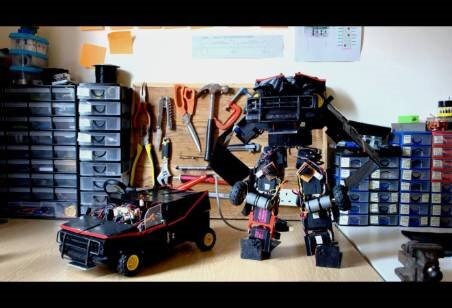
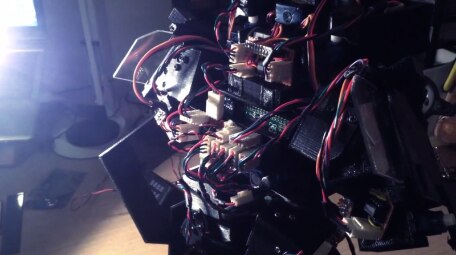
As a university student, i was struggling to decide what project I could do for my third year finals and that's when a lecturer told me, "processing is cheap". At first i thought he meant just small simple micro-controllers, however a week later the raspberry pi zero was announced and launched. I was lucky enough to run to town and managed to pick up the magazine which was giving it away for free. I had never owned or used a raspberry pi before then, but after that, i could not stop talking about it. £4 for a full spec PC with easily controllable gpio's. It truly was and still is an amazing bit of hardware. For that reason i felt i needed to build something that could use the amazing power of the tiny pi and push what had been done with not just the raspberry pi, but any small frame computer. That is why i then built a miniature, fully working transformer that could drive around, then transform to walk around as a fully pi-pedal robot. The raspberry pi really inspired me to realize what could be achieved in the modern day and age if you just put the time and effort into it. You don't need a big budget, you just need both the inspiration and then the dedication to follow through with it.


Video of the raspberry pi zero Transformer:


You don't have permission to edit metadata of this video.
Edit media
x
image
Upload Preview
image


image

image


You don't have permission to edit metadata of this video.
Edit media
x
image
Upload Preview
image


In 2006, Eben Upton and colleagues including Rob Mullins, Jack Lang, and Alan Mycroft came up with the idea of using a cheap, tiny computer to help teach kids how to code. They were concerned with the year-on-year declining popularity and skill set of A Level students applying for Computer Science in each academic year throughout the 2000's.  Something was clearly going on, the situation had changed drastically from what was happening in the early 1990s, when most kids who applied came to interviews as experienced hobbyist programmers as opposed to someone who did just a little bit of web design.


You don't have permission to edit metadata of this video.
Edit media
x
image
Upload Preview
image


A number of problems for why kids interacted differently with computers were identified: combining ICT curriculum with lessons on using Word and Excel, or writing web pages; the dot-com bust; and the rise of home PC and game consoles to replace the Amigas, BBC Micros, Spectrum ZX and Commodore 64 machines that the previous generation had grown up and learned to program on. While the consolidation of curriculum and the end of the .dom era are issues a small group of people could not address, reinvigorating an interest in programming lost on those growing up with modern computers was something they felt they could help with. Unlike modern computers, which were cost prohibitive and did not lend themselves to programming experimentation, the older computers of the previous generation could be booted into a programming environment.


{gallery} My Gallery Title

image

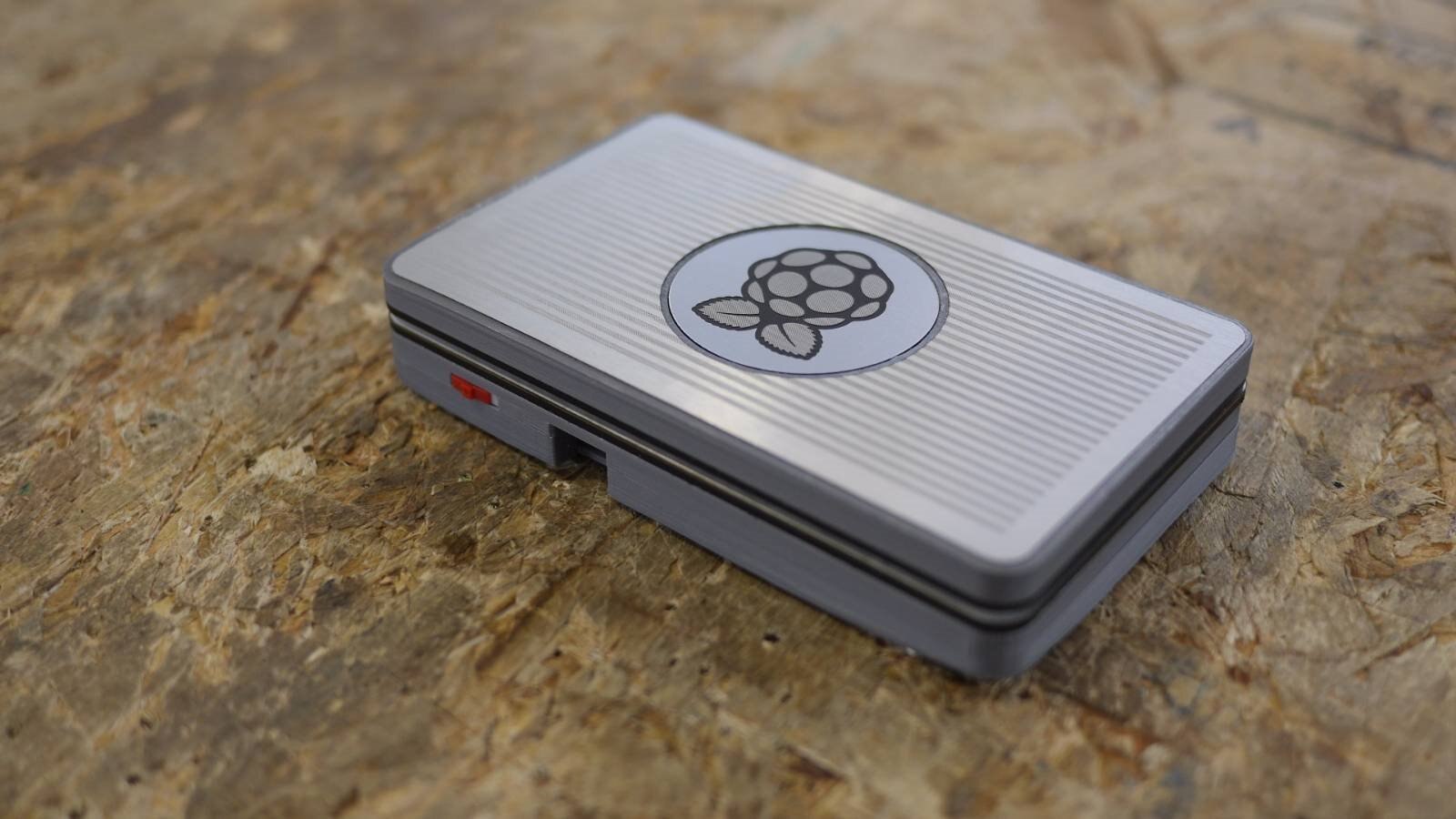
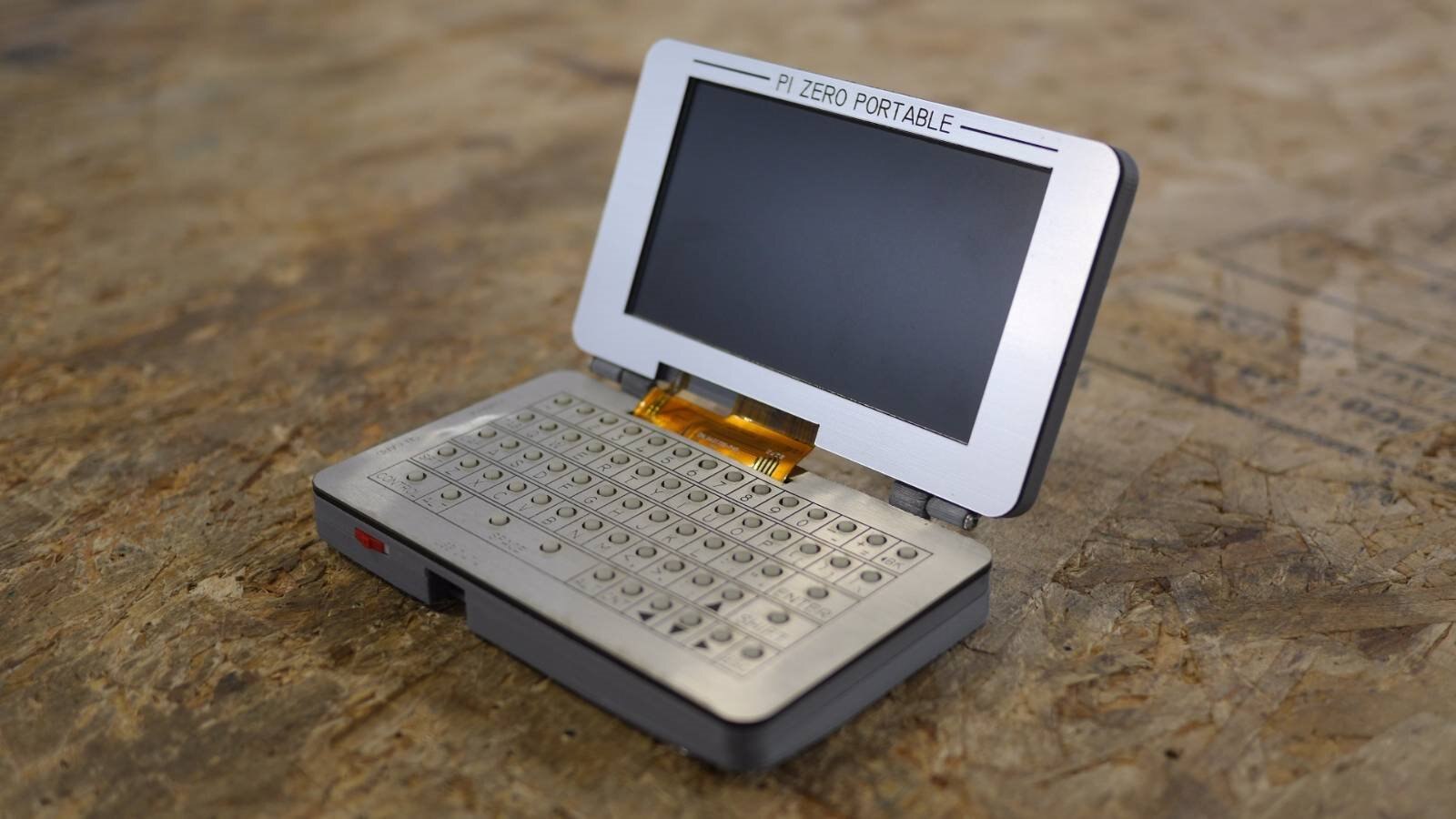
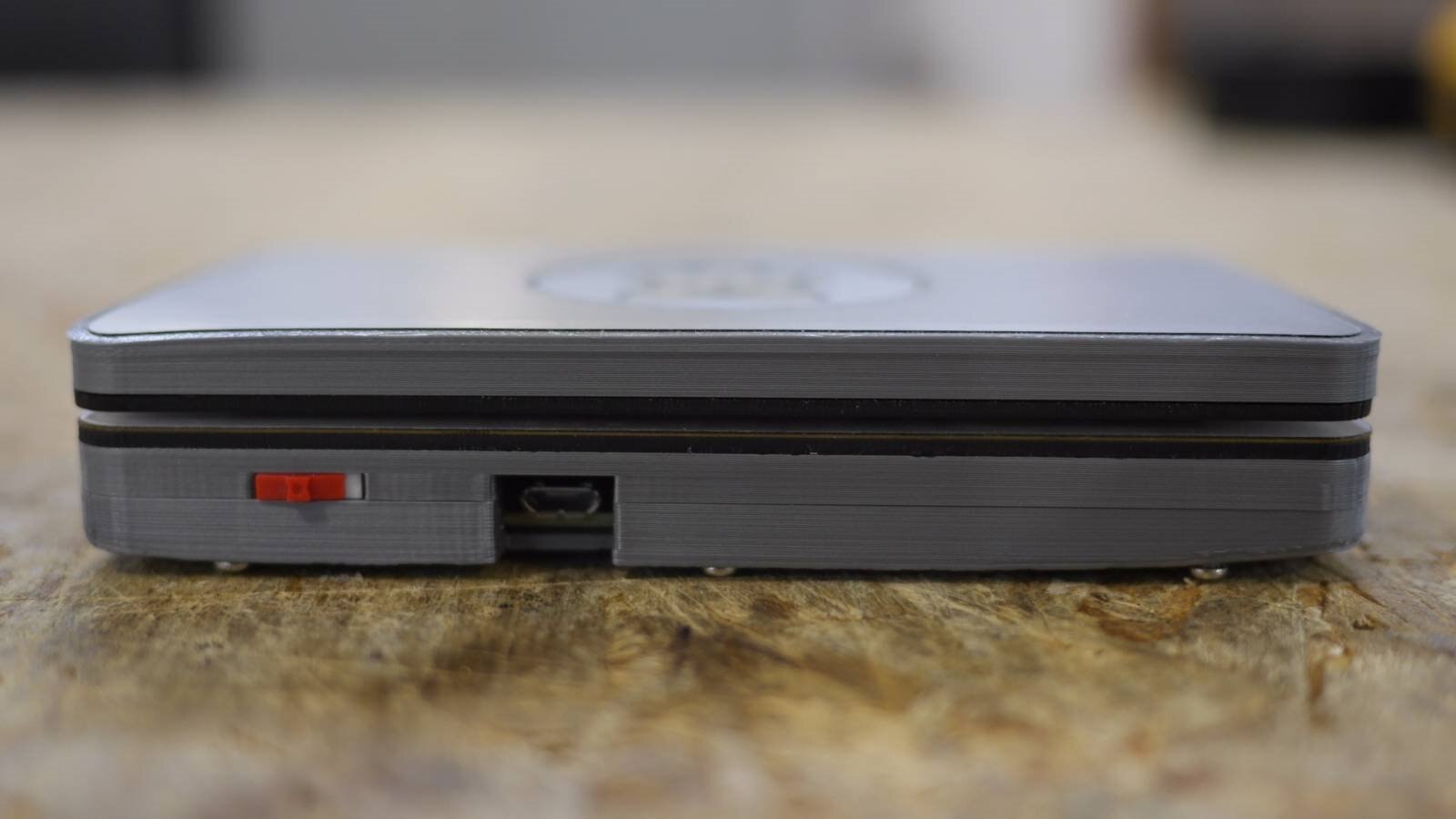
IMAGE TITLE: Raspberry Pi Zero Portable Image 1

image

IMAGE TITLE: Raspberry Pi Zero Portable Image 2

image

IMAGE TITLE: Raspberry Pi Portable Image 3

image

IMAGE TITLE: Raspberry Pi Portable Image 4


Several iterations of what would later be known as the Raspberry Pi were designed from Eben from 2006 to 2008. The idea gain steam until 2008, when processors used in mobile devices became more affordable and powerful enough to deliver a quality multimedia experience, making the boards attractive for kids not interested in a purely programming-oriented device. Eben Upton, Rob Mullins, Jack Lang, and Alan Mycroft teamed up Pete Lomas and David Braben to form the Raspberry Pi foundation and turn their vision into a reality.


The foundation also had several challenges including no manufacturing experience, price points with margins under acceptable levels for contract manufacturers, and volumes that were too low.  The original plan for the Raspberry Pi called for building just 1000 units for new undergraduates at Cambridge University. They figured they could operate at an initial loss by kick starting the project themselves and further develop the platform while early adopters helped with debugging, documentation, and education.


Raspberry Pi Zero Portable Episode
image

Instead, they became victims to their own success when just three weeks before launch, initial demand went well beyond 200,000 units.  It would be impossible for them to subsidize production at a level 200 times beyond what they initially expected and they could not fund demand by normal loan methods because they were registered as a UK charity. As as result, they began searching for a partner with the buying power to keep component prices low, the global presence to handle logistics, and the financial muscle to make it all happen immediately.


According to Pete Lomas: "What we learned is that we had to sell out (a little) to sell (a lot). I'd argue that many makers do this when they want to scale... Holding back schematics altogether troubled us. Not being open would impede people's ability to interface and hack the hardware - defeating the very goals we had set out to accomplish with Raspberry Pi in the first place. Because our remit is education in the broadest sense, we wanted - needed - to provide completely open access to the hardware. And we didn't want to alienate the devoted hacking and open source community that had fueled early interest and would provide much future development. ...But if other manufacturers copied our design, our partners would lose their investment, which was approaching several million dollars. They were spending this time and money optimizing their processes for manufacturing our product, while exploring component alternatives to meet our cost target."


The final design for the Raspberry Pi included what is perhaps its most important feature for the hacker and open source community, access to the General Purpose Input/Output (GPIO). Pete Lomas continues: "The GPIO was the key to unlocking the hardware so successfully developed in the Arduino ecosystem: The stuff people could add to and embed with the Raspberry Pi. The GPIO also meant features that ended up on the cutting room floor could be added back by our ever-inventive community. ...without all these specs, a hardware community could not grow around the Raspberry Pi."


The Raspberry Pi was released by Premier Farnell, the company behind element14, in 2012. According to the CEO at the time: "This partnership brings together the world's biggest online design engineer community with one of the most exciting electronic/embedded computing products to be launched for decades. ...Through our element14 community we will encourage everyone from developers, modders, coders and programmers to discuss, share and develop their ideas and fully (utilize) the game-changing potential of the Raspberry Pi computer."


In the comments below tell us how the Raspberry Pi inspires you!


Let us know and you could win Ben Heck's Portable Raspberry Pi Zero!


Feel free to send us pictures or videos of an invention you've made using it, something you did differently with it that no one else has thought of, how you were able to use it to learn something new, an amazing build you've made with it such as a portable device or a retro gaming machine, something useful that is either not affordable or commercially available, a programming language or a skill it helped you master, or anything else related to the Raspberry Pi.

Directions:

Step 1:  Log in or register on element14, it's easy and free.

Step 2: Post in the comments section below and tell us how the Raspberry Pi inspires you. Videos, pictures and text are all welcomed forms of submission.

Step 3:  Sit back, relax, and enjoy the show!  We will accept entries until 3:00pm CDT August 29th, 2016 and we will announce our winner on YouTube. If you need something to do between now and then make sure to check out what is happening This week on element14 Community, or watch more Ben at element14.com/TBHS.


Bonus points if you also comment and like your favorite Raspberry Pi builds.  Show your enthusiasm by liking or commenting on some or all of his builds:


image

Attachments:
imageGiveaway_TC.pdf
  • give-away
  • tbhs
  • raspi
  • ben heck giveaways
  • raspberry pi zero
  • free stuff
  • giveaway
  • the ben heck show
  • ben heck
  • eejournal
  • raspberry pi
  • pi_zero
  • raspberrypi
  • pi0
  • ras
  • ras_pi
  • rasperry_pi
  • ras pi
  • ben_heck
  • pi zero
  • bh_giveaways
  • Share
  • History
  • More
  • Cancel
  • Sign in to reply

Top Comments

  • vang1
    vang1 over 10 years ago +4
    Hello. Rapsberry pi is a very small and good computer to start your own projects. i started with my portable raspberry pi and made a gaming console using a mobilepower bank and a 5" LCD screen and raspberry…
  • maxdeny
    maxdeny over 10 years ago +2
    I just love how small it is It's tiny in comparison to the type of raspberry pi laptops I'm used to seeing much like this one It reminds me of devices like the open pandora and ben nanonote My experience…
  • richjteel
    richjteel over 10 years ago +2
    Inspired me to join my daughter when she attends cosplay events by making my own working Tricorder from the original Start Trek Series. I purchased a Diamond Selects TOS Tricorder, gutted it and stuffed…
  • retro.phoenix.1987
    retro.phoenix.1987 over 10 years ago

    I have not done any projects with one of these yet but am very interested to get into micro computers like this. I have been into working with electronics for a while now and your giveaway would be a great way for me to get started in this field and explore all of the options available/ thank you for the chance to get one and keep up all the great projects and videos

    • Cancel
    • Vote Up 0 Vote Down
    • Sign in to reply
    • More
    • Cancel
  • e14 Contributor
    e14 Contributor over 10 years ago

    I wanted a reliable way of connecting to (and sometimes hosting my own) bulletin board systems using my Apple //e and //c machines. And I wanted something that fits the 1980s motif. PiModem fulfills my requirements!


    Using a RS232 to TTL converter I was able to use the Pi header as an extra serial port, since the only USB port on my Pi was taken up by a WiFi stick (no Ethernet either, and I didn't want to use a hub). As mentioned reliability was a concern, so I added vintage LEDs to tell me what's going on, so I can run it headless. PWR is power, RDY lights once the Pi has booted, ACT is SD card activity, DSL blinks when there is WiFi activity, and RxD and TxD lights show when these lines are being accessed off the serial port. I printed off a snazzy looking front panel with some vintage looking artwork to complete my invention. TCPSER is used to fully emulate a Hayes modem - to clarify, connecting this to a terminal doesn't give you access to the Pi, only to the emulated Hayes modem command set (AT for connect, ATH for hangup, etc).


    You don't have permission to edit metadata of this video.
    Edit media
    x
    image
    Upload Preview
    image

    • Cancel
    • Vote Up 0 Vote Down
    • Sign in to reply
    • More
    • Cancel
  • calypso
    calypso over 10 years ago

    I like robotics and mobile development, so raspberry pi lets me quickly do all of that. I just wish I had one because my professor *bleep* blew mine up, and on top of that forced everyone in the class to pay $100 for a piece of... robot kit that doesn't work. So I'm poor again and cant get a new one.. :\ Wish I had another..

    • Cancel
    • Vote Up 0 Vote Down
    • Sign in to reply
    • More
    • Cancel
  • e14 Contributor
    e14 Contributor over 10 years ago

    Hey TBHS community! I would love to win the rPi Zero because I have recently found an interest  programming and robotics and I would love to take my first step learning to code!

    • Cancel
    • Vote Up 0 Vote Down
    • Sign in to reply
    • More
    • Cancel
  • e14 Contributor
    e14 Contributor over 10 years ago

    i have a alternative version to the pi, close to being the same but somewhat diffferent... it has inspired me to learn more about linux than ever, it has also gotten me to go deeper into android, i now know ( but dont entirelly understand) how to build programs

    i have also learned plenty about the linux command line and single board computers, in the year or so ive had it, as if at the moment i use it has a security camera in my bedroom using fswebcam. owning a pi has also mde me look deeper into things like the bewoulf cluster and how the arm platform works beside a rom and gapps...

    • Cancel
    • Vote Up 0 Vote Down
    • Sign in to reply
    • More
    • Cancel
  • e14 Contributor
    e14 Contributor over 10 years ago

    i will be deacivating the account jack1620 and will come back as pcs3rd, srry about it, i am not trying to spam

    • Cancel
    • Vote Up 0 Vote Down
    • Sign in to reply
    • More
    • Cancel
  • erichho
    erichho over 10 years ago

    Hello,

    my name is Erich Hohenstein. I am a grad Physics student, although in my free time I like doing electronics projects as a hobby. After watching videos on different projects with the Raspberry pi, I decided to give it a try and build Gameboy with the Pi zero. I found it very fun to do this build, and also I liked that there is a lot of info on these type of projects for anybody to do and learn.

    Here are some pictures from this attempt to a Pi boy zero:

    imageimage

    image

    The finished project:

    image

    • Cancel
    • Vote Up +1 Vote Down
    • Sign in to reply
    • More
    • Cancel
  • nobble
    nobble over 10 years ago

    Hello Element14!


                                                       My name is Elliot.

    image


    I have been working with computers and electronics since I was a kid, building desktop computers part by part with my father. He showed me all sorts of cool things you can do with computers and different ways to use linux/windows machines. So early on I had a knack for computers and toying with them. When I got into middle school, I started tinkering with portable electronics and building my own from scratch.


    I made an account on the ModRetro forums around that time and started to check out all the great electronics and game systems people mod and build by hand. Such cool things a person can do with a little focus and some patience. I really enjoyed talking with the other Modders on the site's chat. Good times to be had and much learning to be done.


    By the time I was in high school I was creating portable video game systems like SNES, N64, X360 laptop, even building portable media players and modding gameboys. After showing my dad all my inventions, he always complimented my work and inspired myself to do more and think more creatively.


    Since then I have been working with RPi and have built a portable pi slate computer. I like to call it PiP. It runs off batteries and does anything a linux pc can do and more! With built in touch screen, audio jack, micro usb charge, and 3 full usb ports, it also uses a detachable ipega tablet controller.


                                                                                          This is one of my best projects to date!

    image


    Check it out @ https://hackaday.io/nobble


    imageimageimage

    https://hackaday.io/nobble


    I have a full build instruction list for this project on my hackaday page and also pictures of all my portable builds and other projects. Please take a look!


    After finishing the RPiP project, it sparked my creativity and I wanted to tinker with GPIO programming and built a camera button that plugs into the back of unit. That led to custom photography, writing scripts, and understanding python better.


    imageimageimage


    I have now been able to learn arduino programming from learning the core Raspberry Pi programming and Python. I am slowly building projects that incorporate attiny85 microprocessors and load sketches onto them with my RPi. I finished the smallest portable video game I have ever built, coming in at under 2" tall. It plays a UFO game similar to helicopter or flappy bird. This project is also on my hackaday io profile.

    image

    I really enjoy showing my Dad all the cool electronics and new technology that comes out and we talk about all sorts of techie gab. Recently he has been diagnosed with Graves and it has slowed down his momentum in life. He was always pushing me to excel and I have been trying to get him into Raspberry Pi programming so he can find something to keep his worries away and maybe start his own PiRate Radio station. If I was able to have another portable Pi, I would give it to him to use in his own fun projects! He really deserves to find out how much Pi computing can be first hand. I think it would help him get back to being the energetic humanoid he used to be.


    We can all learn much from others in this world. Like Ben Heck himself, he has been a huge inspiration to me and my projects! I used to watch all his videos growing up. So much data storage inside that mind of your Ben. Kudos.


    Thanks for checking out my post and I really hope I get the chance to teach more people about Raspberry Pi computing and learn even more in the future!


    KEEP ON BUILDING ON!!!

    image

    -nobble

    • Cancel
    • Vote Up 0 Vote Down
    • Sign in to reply
    • More
    • Cancel
  • fullysquared
    fullysquared over 10 years ago

    I do a lot with kids in schools and love to be able to take to school and AHHH them with this portable....

    • Cancel
    • Vote Up 0 Vote Down
    • Sign in to reply
    • More
    • Cancel
  • e14 Contributor
    e14 Contributor over 10 years ago

    I started programming microcontrollers in highschool. at University we started with arduino. Now I am using the raspberry pi for my Masters programme. It is beefy enough for a lot of embedded solutions as well as being my NAS and media center at home.

    The zero portable would be ideal for me as an Acoustics test platform thorughout my Masters programme in Acoustics and audiotechnology!

    • Cancel
    • Vote Up 0 Vote Down
    • Sign in to reply
    • More
    • Cancel
<>
element14 Community

element14 is the first online community specifically for engineers. Connect with your peers and get expert answers to your questions.

  • Members
  • Learn
  • Technologies
  • Challenges & Projects
  • Products
  • Store
  • About Us
  • Feedback & Support
  • FAQs
  • Terms of Use
  • Privacy Policy
  • Legal and Copyright Notices
  • Sitemap
  • Cookies

An Avnet Company © 2026 Premier Farnell Limited. All Rights Reserved.

Premier Farnell Ltd, registered in England and Wales (no 00876412), registered office: Farnell House, Forge Lane, Leeds LS12 2NE.

Follow element14

  • X
  • Facebook
  • linkedin
  • YouTube