


The technical fields have a problem in the training of the next generation of students: internet censorship. It represents a hesitation in the move from information being something that can be controlled to the free passing of ideas, and it places education in direct conflict with the demands of industry. 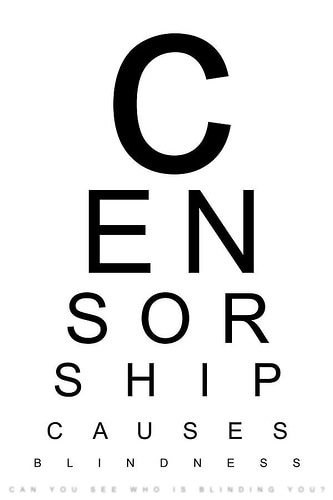
There are two ways I've seen internet controlled by high schools during my involvement with the BlueStamp Engineering program:
- White list: Administrators decide on the sites that are appropriate for students and only allow them to access approved information.
- Black list: Find sites that are known to be problems for high-school aged students such as facebook, porn, etc. and block them while leaving the rest of the internet available.
White listing is an approach to internet control similar to a parent placing a young child in front of television for hours. It is the most effective way for the authority figure to be sure that the child is safe while requiring minimal effort to maintain a controlled, liability-free environment. The downside to TV is that it limits the number of times the child is exposed to new situations outside, which is an important part of growing up. Similarly, the burden of a student's internet exploration is increased by having to 'check in' with the administrator each time he or she wants to access a new site, then wait for it to be approved. A question that should take 5 seconds to answer can take 24 hours in order to attain the go-ahead. This represents an arrogant display of control when administrators think that they can keep up with students' insatiable thirst for knowledge or the pace of internet expansion.
The intangible result of white-listing may be even more harmful than delaying the rate of learning. Showing the students that they aren't trusted each time they log on sets an unfortunate tone between the students and administrators. It also encourages students to focus on defeating the protection system while waiting for access to be granted instead of working on their assignments. Ultimatly, it can make the learning process less exciting, more arduous, and prevents students from maintaining momentum in their work.
It is true that black-listing does leave students with much less supervision, freeing a mal-intentioned user to find awful things online. However there are ways to mitigate the risk without chaining students to a white list. Services exist that maintain a blacklist, helping to keep up with the blistering expansion of online nastiness. If a student is found to access a site that teachers deem inappropriate, that student's access could then be limited to a white list or taken away all together. The school could also run weekly/monthly reports on the sites that students visit most often and/or spend the most time on. If an inappropriate or time-wasting site becomes popular on a large scale, it can be easily be added to the black list.
Black-listing sites have an intangible result opposite to that of white-listing. Students are given full trust until they slip up, and then face consequences for betraying that trust. The school takes on a role similar to that of an employer, saying 'We are here to provide you with the resources that enable you to succeed. Don't abuse them.' The student then learns to work on their assignments in the fastest way possible, with the pace limited only by their growing ability. This method does take more work, thought, and engagement with the students, but isn't that what education is really about?
If you are a parent or a young adult with a choice of attending different schools, I suggest that you inquire as to their internet censorship approach. It could provide insight into the school's risk tolerance in the pursuit of excellence, how much they encourage independent thought, and the amount of trust and respect that is placed before the student. While it can be scary to think of what could go wrong, remember that there are only 18 short years to teach students to be grown, responsible adults. Don't waste that time.


