element14 Community
element14 Community
    Register Log In
  • Site
  • Search
  • Log In Register
  • Community Hub
    Community Hub
    • What's New on element14
    • Feedback and Support
    • Benefits of Membership
    • Personal Blogs
    • Members Area
    • Achievement Levels
  • Learn
    Learn
    • Ask an Expert
    • eBooks
    • element14 presents
    • Learning Center
    • Tech Spotlight
    • STEM Academy
    • Webinars, Training and Events
    • Learning Groups
  • Technologies
    Technologies
    • 3D Printing
    • FPGA
    • Industrial Automation
    • Internet of Things
    • Power & Energy
    • Sensors
    • Technology Groups
  • Challenges & Projects
    Challenges & Projects
    • Design Challenges
    • element14 presents Projects
    • Project14
    • Arduino Projects
    • Raspberry Pi Projects
    • Project Groups
  • Products
    Products
    • Arduino
    • Avnet & Tria Boards Community
    • Dev Tools
    • Manufacturers
    • Multicomp Pro
    • Product Groups
    • Raspberry Pi
    • RoadTests & Reviews
  • About Us
    About the element14 Community
  • Store
    Store
    • Visit Your Store
    • Choose another store...
      • Europe
      •  Austria (German)
      •  Belgium (Dutch, French)
      •  Bulgaria (Bulgarian)
      •  Czech Republic (Czech)
      •  Denmark (Danish)
      •  Estonia (Estonian)
      •  Finland (Finnish)
      •  France (French)
      •  Germany (German)
      •  Hungary (Hungarian)
      •  Ireland
      •  Israel
      •  Italy (Italian)
      •  Latvia (Latvian)
      •  
      •  Lithuania (Lithuanian)
      •  Netherlands (Dutch)
      •  Norway (Norwegian)
      •  Poland (Polish)
      •  Portugal (Portuguese)
      •  Romania (Romanian)
      •  Russia (Russian)
      •  Slovakia (Slovak)
      •  Slovenia (Slovenian)
      •  Spain (Spanish)
      •  Sweden (Swedish)
      •  Switzerland(German, French)
      •  Turkey (Turkish)
      •  United Kingdom
      • Asia Pacific
      •  Australia
      •  China
      •  Hong Kong
      •  India
      •  Japan
      •  Korea (Korean)
      •  Malaysia
      •  New Zealand
      •  Philippines
      •  Singapore
      •  Taiwan
      •  Thailand (Thai)
      •  Vietnam
      • Americas
      •  Brazil (Portuguese)
      •  Canada
      •  Mexico (Spanish)
      •  United States
      Can't find the country/region you're looking for? Visit our export site or find a local distributor.
  • Translate
  • Profile
  • Settings
PCB Design, Prototyping and Production
  • Products
  • More
PCB Design, Prototyping and Production
PCB Blogs The SteamDeck is very hackable - but it could be better.
  • Blog
  • Forum
  • Documents
  • Leaderboard
  • Files
  • Members
  • Mentions
  • Sub-Groups
  • Tags
  • More
  • Cancel
  • New
Join PCB Design, Prototyping and Production to participate - click to join for free!
  • Share
  • More
  • Cancel
Group Actions
  • Group RSS
  • More
  • Cancel
Engagement
  • Author Author: cstanton
  • Date Created: 6 Feb 2023 11:41 PM Date Created
  • Views 201036 views
  • Likes 18 likes
  • Comments 8 comments
  • valve
  • steamdeck
  • valve software
  • steam powered
  • raspberry pi pico
  • steam deck
  • steam
  • pi pico
  • openrgb
Related
Recommended

The SteamDeck is very hackable - but it could be better.

cstanton
cstanton
6 Feb 2023

image

I've picked up Valve Software's Steam Deck. This (Arch) Linux based, hand-held personal computer is set at a reasonable price, can act as though it's a portable games console (often compared with the Nintendo Switch) and yet also behave like a desktop computer (especially when peripherals are plugged into it).

An upside to the Steam Deck is that Valve are quite happy for you to open it up, investigate it, and you do so at your own risk. In fact, they showed everyone how to take it apart while saying not to do it.

You don't have permission to edit metadata of this video.
Edit media
x
image
Upload Preview
image

And then, because they partner with iFixIt to provide spare parts, so you can fix or replace components yourslef, iFixit tears down the Steam Deck doing everything Valve said not to do.

You don't have permission to edit metadata of this video.
Edit media
x
image
Upload Preview
image

But aside from replacing the noisy 'Delta' fan, there's not a lot I've done with it, so far, but there's certainly more that I want to do with it, but it would be easier if we had schematics.

User 'CalcProgrammer1' from the SteamDeck discord hasn't quite gotten there yet, but they've been scouring the board for traces that they can use, and they found an i2c interface on the Deck that they could hack.

image

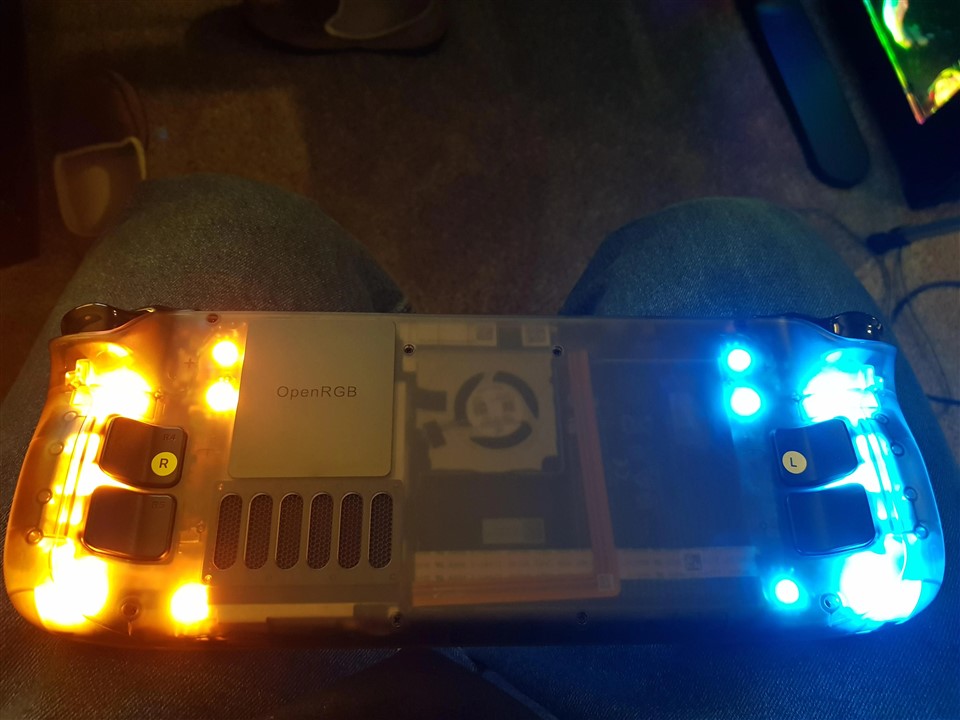
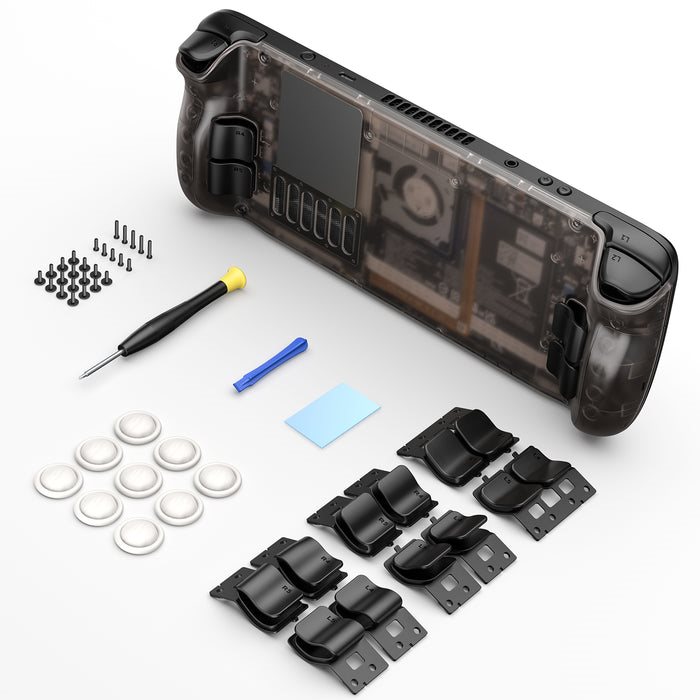
You see, JSAUX released a transparent back for the Steam Deck, (we'll not argue about the strange metal backplate and its thermal properties) and the first thing people thought of? Putting LEDs in it. Heck, people mod their PC with RGB LEDs, why not the Steam Deck? Well, CalcProgrammer1 thought they may as well do it, and go all the way with it.
image

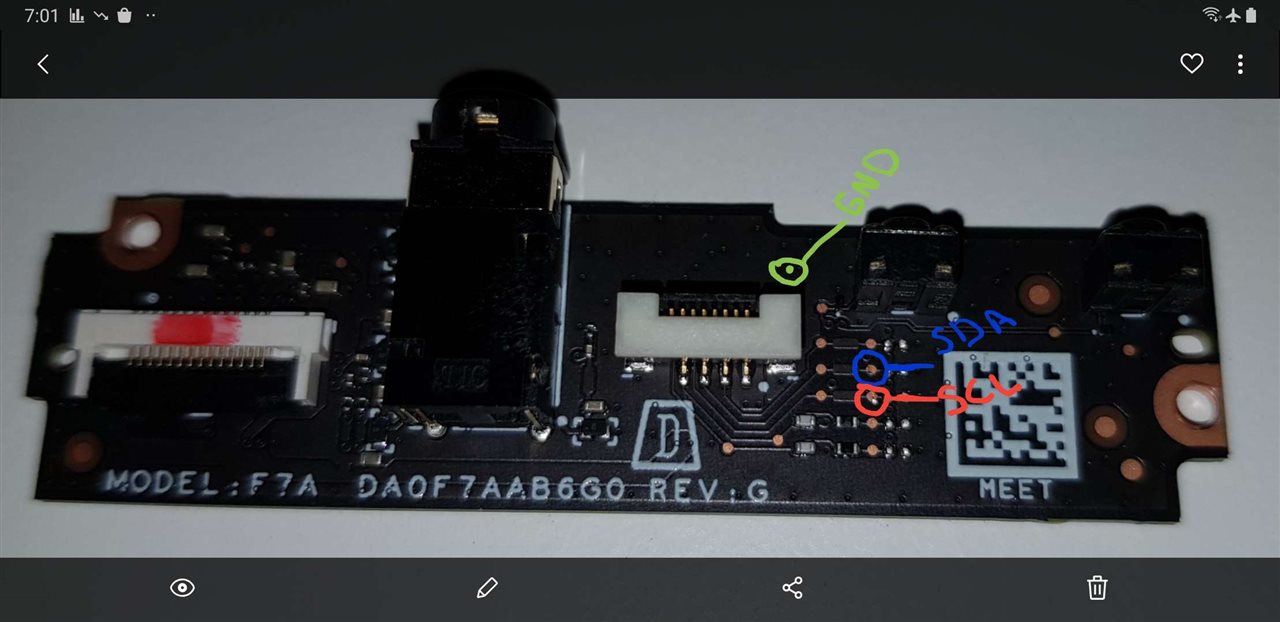
CalcProgrammer1 found the I2C interface on the sound interface board, the majority of boards in the Steam Deck are purposefully 'modular' and connected via ribbon cables, it was only a matter of time before it was discovered:
image

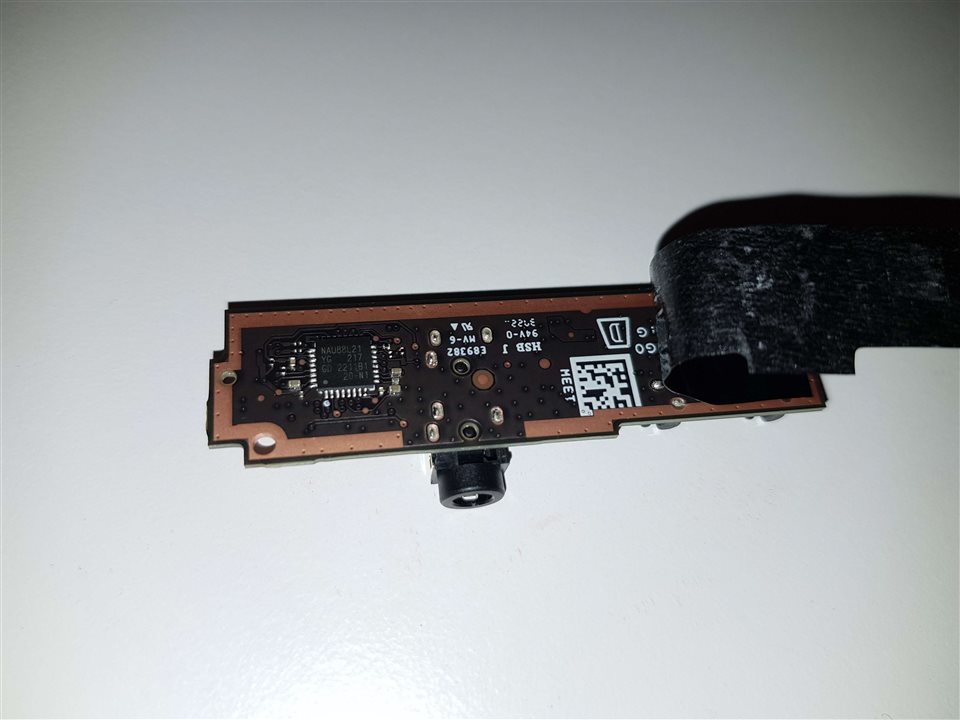
And as CalcProgrammer1 says "The bottom of this PCB has the audio codec"
image

It's not the only mod they'd like to make, though:

"I want to add stick LEDs and it would be pretty easy if there were aftermarket clear sticks available, but I don't want to lose functionality by getting rid of the capacitive caps, hopefully someone (JSAUX?) will make replacement sticks that have the capacitive pad, would be pretty easy to take a small WS2812B 2020 or 4020 package LED and glue it under the stick on the PCB"

You see, on the Steam Deck, the joysticks have capacitive touch pads on top of them, allowing to act as further interactions for games or to sense when you're 'touching' them to act, like a shift key on a keyboard to use with other buttons to activate other features, like say, the gyro that's built in. Allowing for better aim.

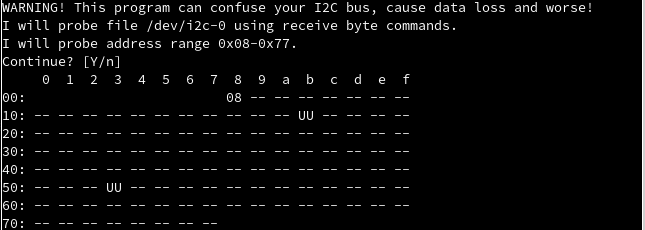
CalcProgrammer1's i2c hacking didn't end there, after trying to use an Arduino, they discovered that it wouldn't talk to the i2c bus on the Steam Deck at all, and they had to switch to a trusty Raspberry Pi Pico instead, running "sudo i2cdetect -r 0" got results:

image

image

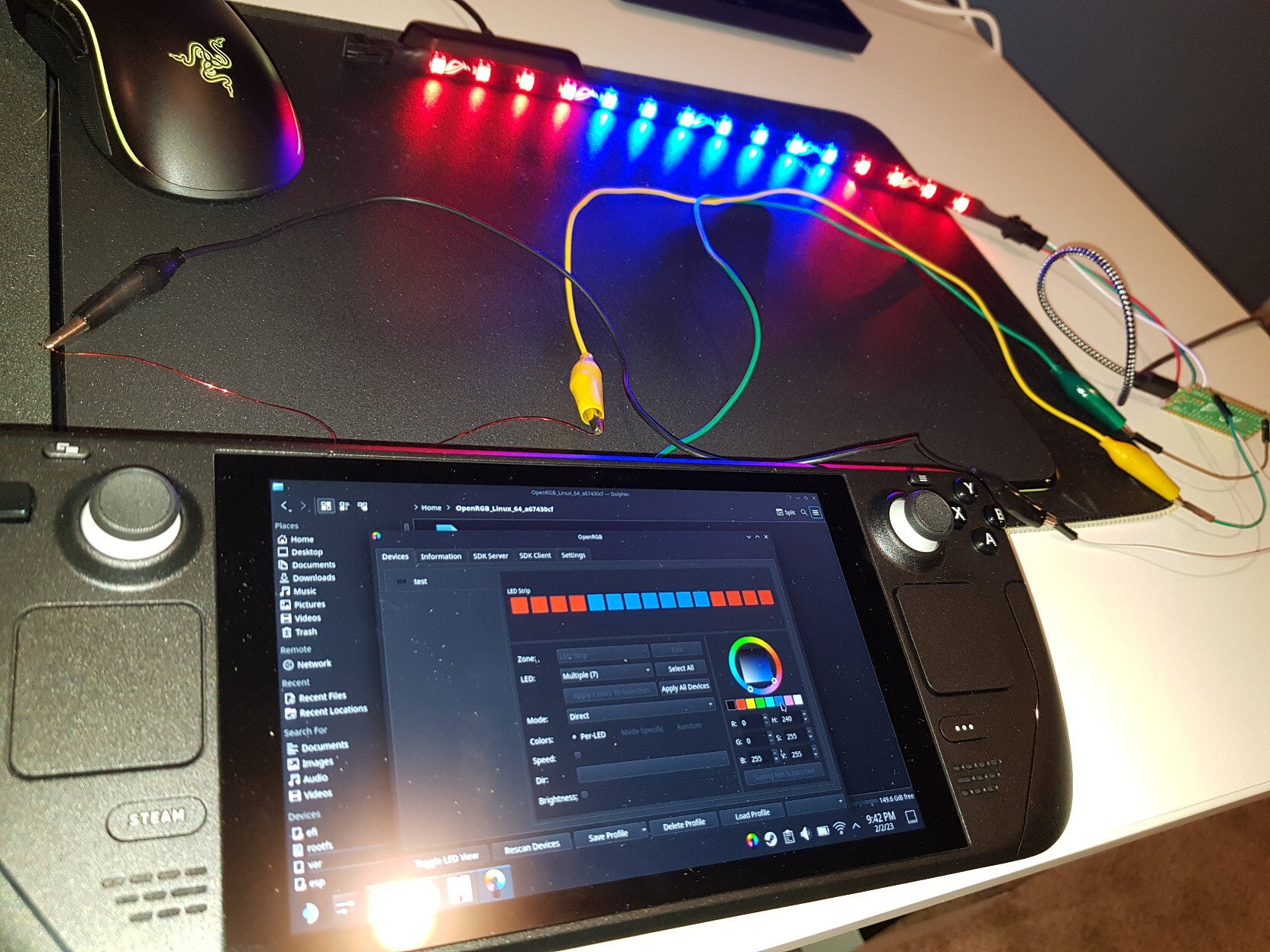
" I did it! I was able to detect my device from I2C, for whatever reason the Arduino would not talk whatsoever, the Deck uses 400KHz i2c clock so maybe too fast? but after some messing around I got my sketch running on a Pi Pico instead I can control LEDs!"

Using OpenRGB as an interface, CalcProgrammer1 with the Raspberry Pi Pico was able to get some functionality:
image

You don't have permission to edit metadata of this video.
Edit media
x
image
Upload Preview
image

CalcProgrammer1 reflects that mods such as this are definitely tricky, and really require practicality:

"and even with a fine tip iron and thin magnet wire, it was difficult to solder them, and you don't want to pull on delicate solder joints or you can rip traces off the PCB, ideally we could make a board that goes in between the audio PCB and the RGB that plugs into the flat flex connector for the microphone and light sensor flex and then that flex connector plugs into the new board as a passthru, might have to get 5V elsewhere but we have SCL, SDA, and GND for sure"

So while iFixit may sell spare parts and the Steam Deck is hackable, there's certainly some way to go to still be able to make the device "your own" that is out of reach for many people, especially when it requires access to what's considered specialist hardware and knowledge up front. Even designing an interim PCB is out of most people's reach. Here are examples of CalcProgrammer1's setup:

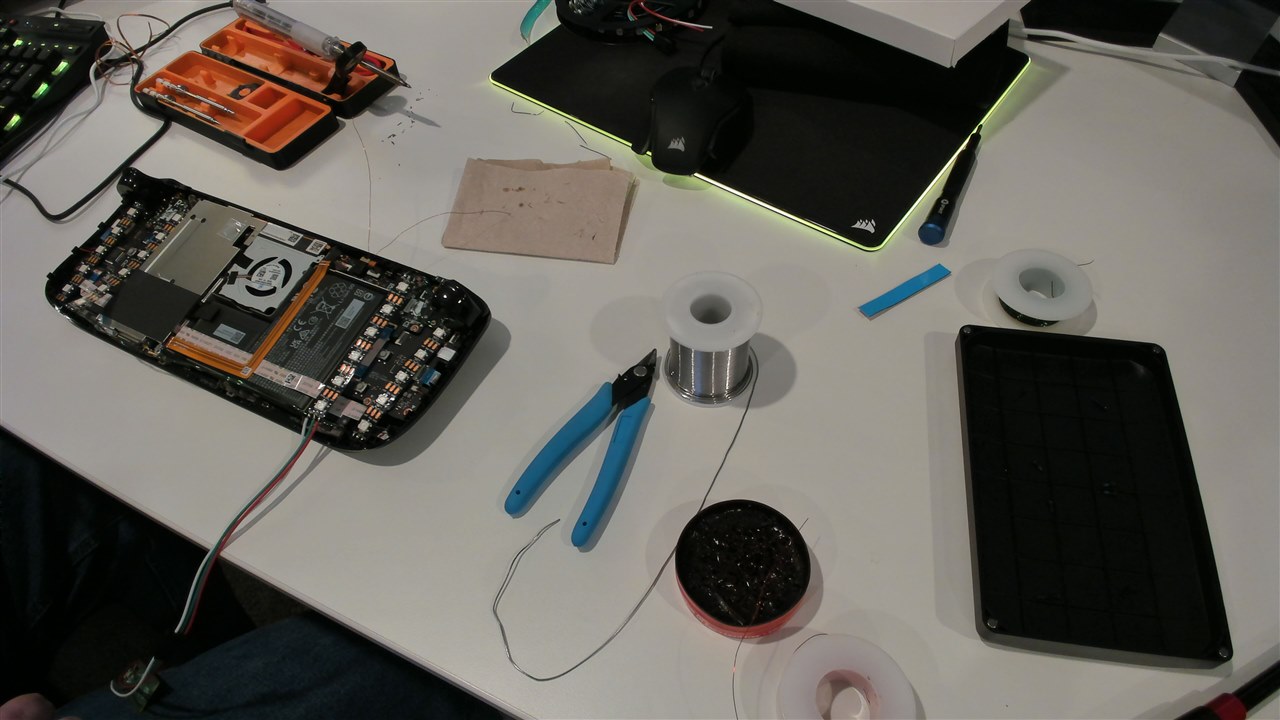
Lit up

In bits

And the amazing results, which even include backlight synchronisation with what's on the screen! Ultimately while they started off with an Arduino, moved onto Pi Pico for prototyping, they ended up with the Adafruit Trinket M0 because of space and time considerations.
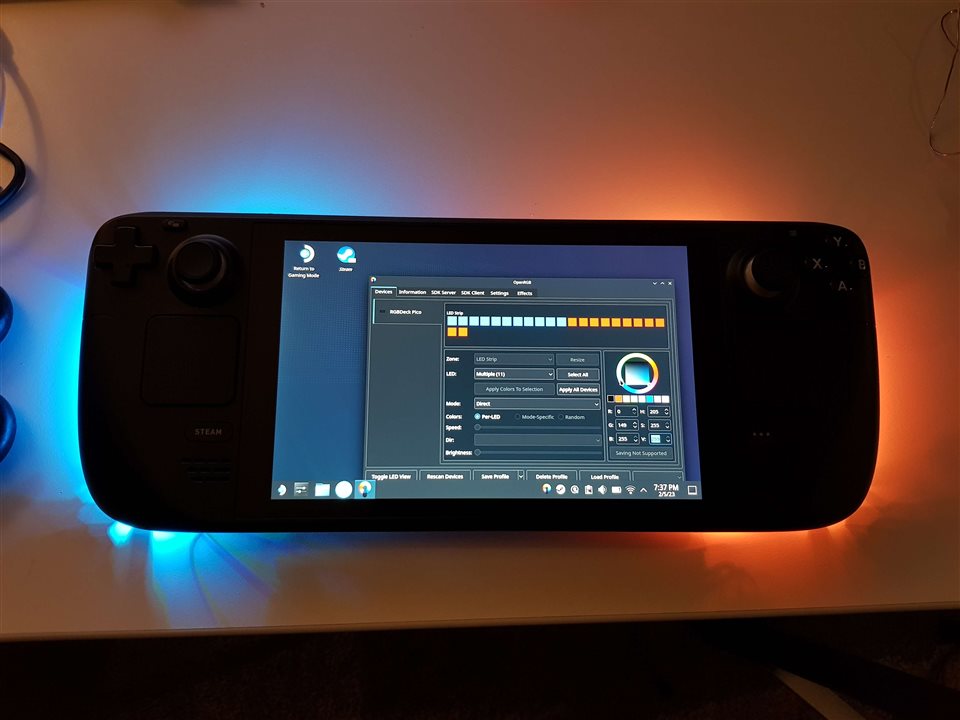
backlit

openrgb

You don't have permission to edit metadata of this video.
Edit media
x
image
Upload Preview
image

You can check out their reddit thread for more photo's and videos.

Edit Update 12th Feb 2023:

Not all is well in the world of modding, while being very entrepreneurial and opportunistic, CalcProgrammer1 attempted to support the LEDs by tapping into a 5v line on the steam deck. Unfortunately that's not without consequence.

You see, a problem with hacking into an existing design can be that you don't know its layout, tolerances and the schematic, and the limits of those lines, and of course, CalcProgrammer1 fell afoul of this.

The hack didn't hold as drawing 5v from the location on the board proved too much and attempted to pull more current than that pathway expected.

The consequence?
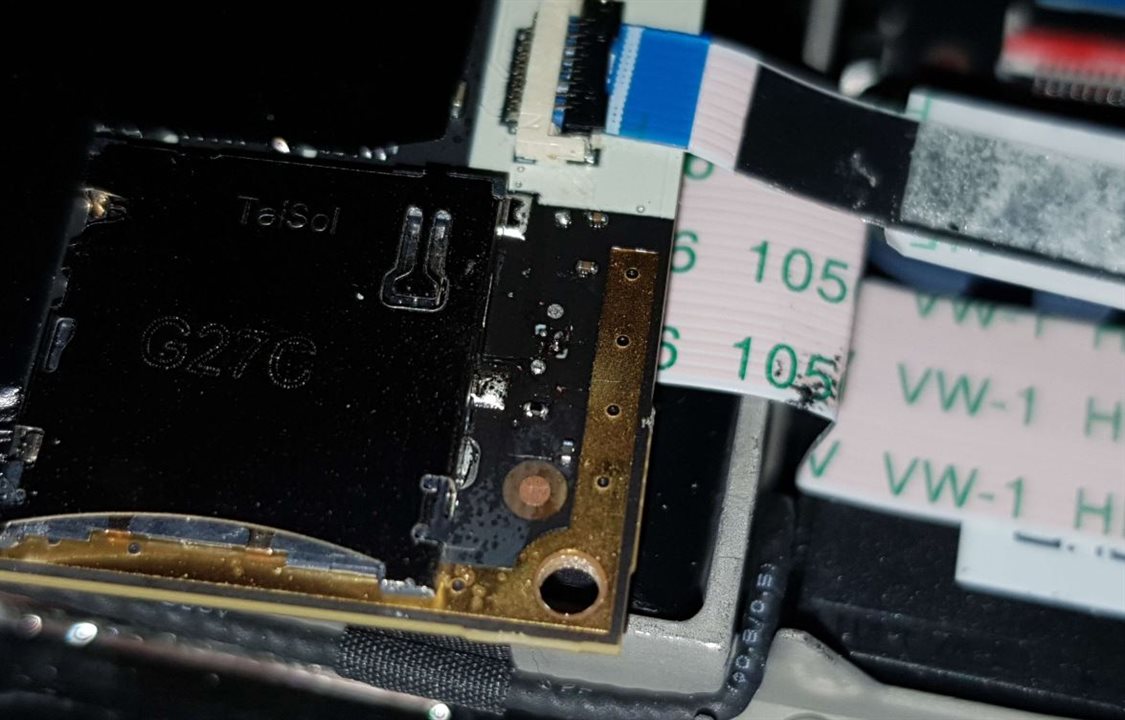
image

image

image

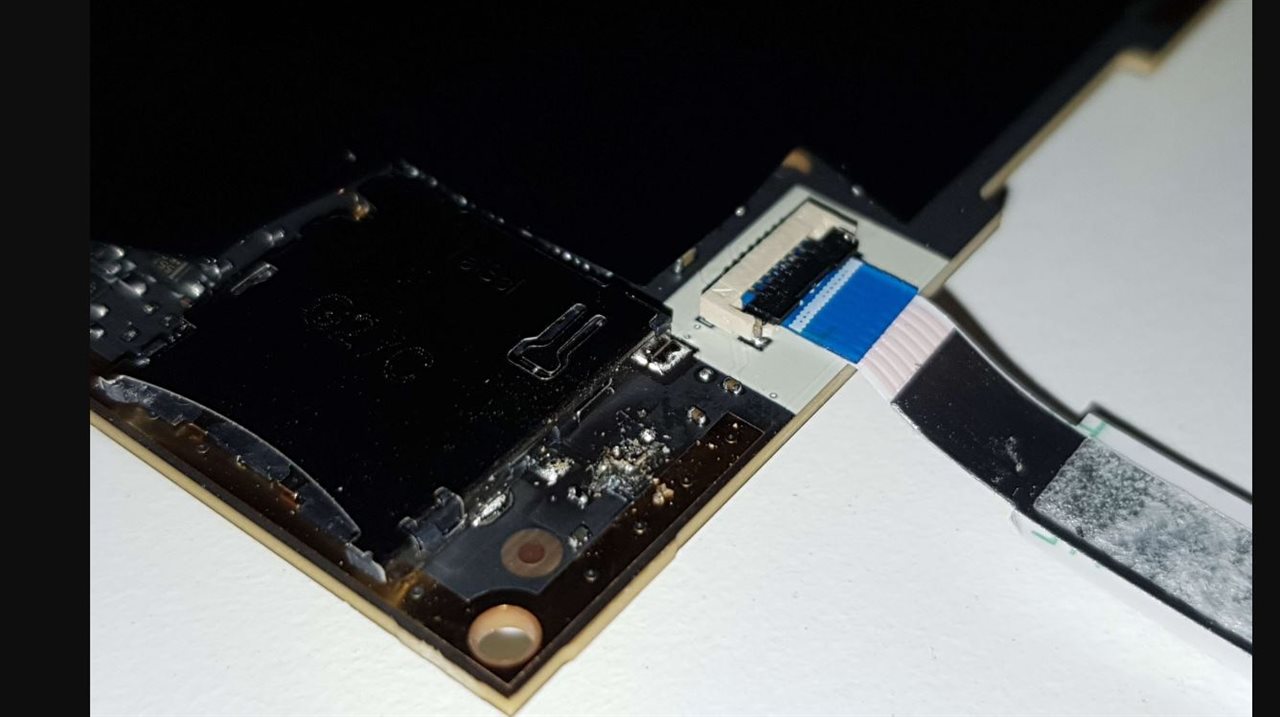
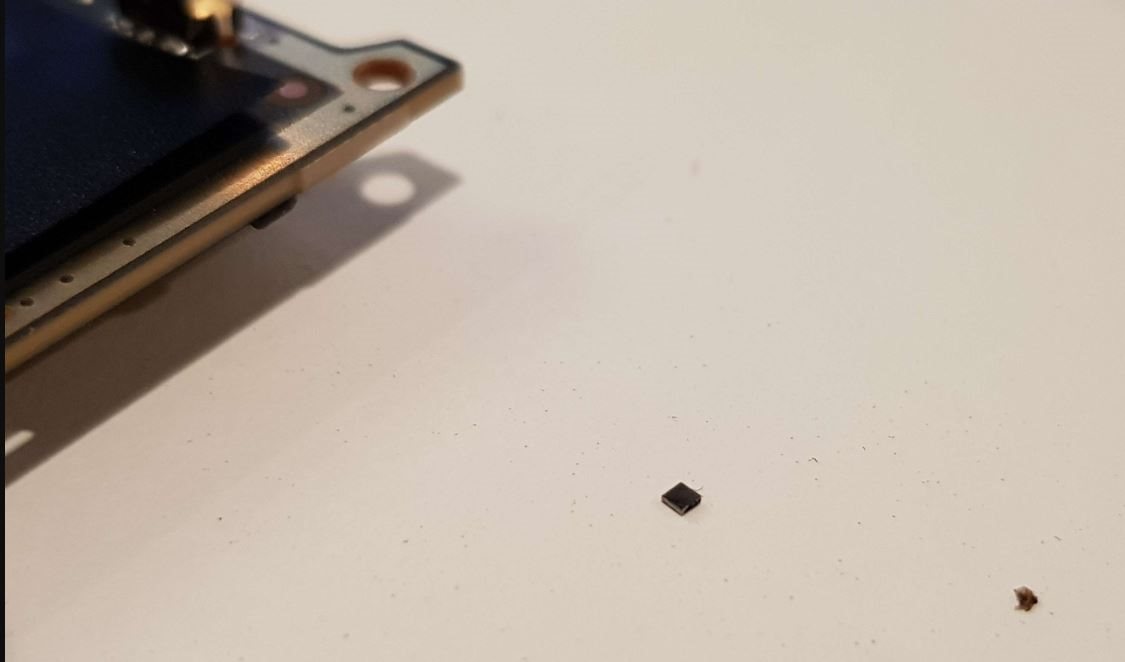
A component became too hot and de-soldered itself, and maybe went 'pop' a little. It even melted itself out of a little epoxy cocoon.

This very non-descript component has yet to be identified (though may have been a WLCSP-4 package), but what it connected to has been identified a little and rather confusingly, when bridged, the device works again. You can read more about the update on reddit.

Any ideas what the component might have been?
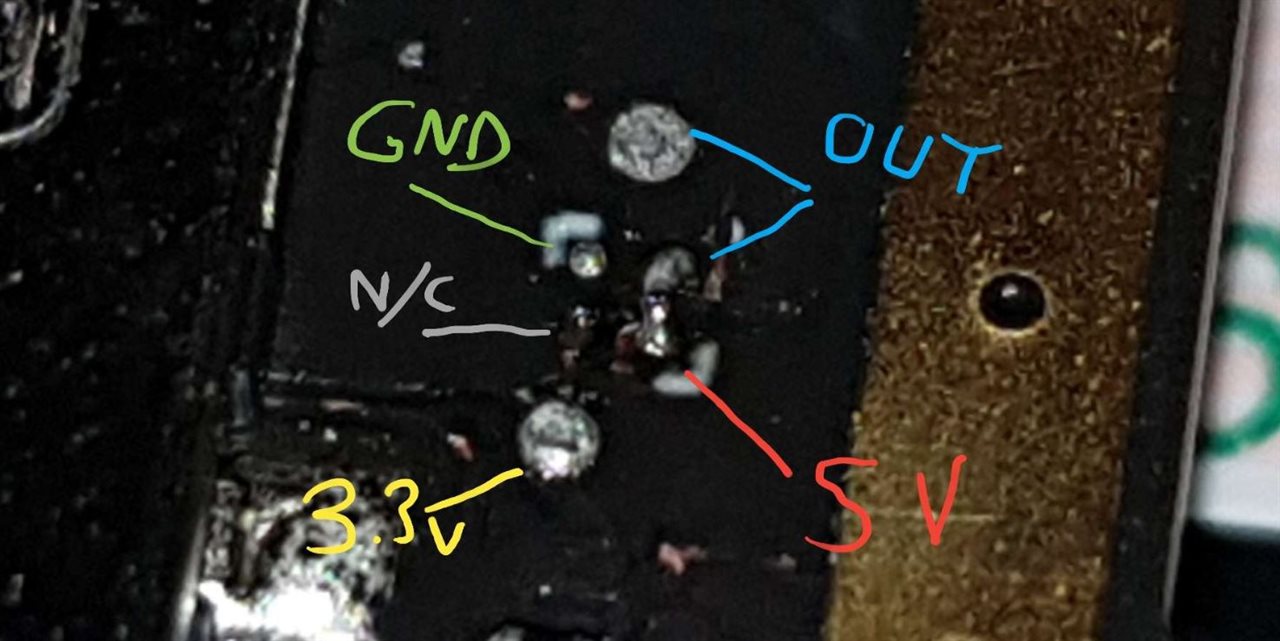
image

Needless to say, having a component near your microSD card input go 'pop' is rather alarming. Spares for the PCB components of the Steam Deck are still not yet available, so experimenting with a consumer device in this way is very risky unless you're prepared to either pay for 'official' repairs or buy a replacement. On this occassion, CalcProgrammer1 landed lucky-ish in that this component wasn't crucial.

Have you modded electronics in this kind of way? Have you produced a PCB to make it easier? What tips do you have to make this kind of reverse engineering easier? Let me know!

  • Sign in to reply
  • cstanton
    cstanton over 3 years ago in reply to Gough Lui

    "But as for whether I have to have it or not ... I'm not so sure"

    Considering the crisis for electricity costs at the moment, gaming on a 30w steam deck vs a 600w+ desktop PC is quite a regular saving, and for me it's in place of a laptop.

    "The only mod I'd be likely to do is to shove a larger M.2 SSD in it (assuming I can find one reasonably priced - it seems the 2230 it uses are in rather short supply"

    1TB 2230 SSDs are becoming more commonplace on amazon, ebay, and aliexpress. 2TB are not quite available until micron make them publicly accessible, and the price are kinda silly, I use a 512GB SSD with 512GB  microSD, more than enough storage for me.

    " and some have taken to cutting down some 2280s to fit)."

    People are now instead using an expander/extender for the m.2 slot and then attaching the 2280 to the back of a modified case. Or they're simply using a 1TB 2230.

    • Cancel
    • Vote Up 0 Vote Down
    • Sign in to reply
    • More
    • Cancel
  • Gough Lui
    Gough Lui over 3 years ago

    Hmm. I was quite looking forward to the release ... but it took so long that now I'm sitting on the fence as to whether I need one in my life or not ...

    Its form factor is quite unique and the portability is excellent. But as for whether I have to have it or not ... I'm not so sure. The only mod I'd be likely to do is to shove a larger M.2 SSD in it (assuming I can find one reasonably priced - it seems the 2230 it uses are in rather short supply and some have taken to cutting down some 2280s to fit).

    - Gough

    • Cancel
    • Vote Up 0 Vote Down
    • Sign in to reply
    • More
    • Cancel
  • shabaz
    shabaz over 3 years ago

    I'm kind-of "modding" currently : ) I have a boiler control system that wasn't intended for my boiler but I'm convinced I can make it work with a bit of adaptation. It will need a PCB.. I've spent quite a bit on prototype PCBs recently (I ordered a (for me) record amount last week; 11 different PCB designs all in one go; some 4-layer, some 2-layer, etc). On the plus side, it must mean I'm getting to be a _lot_ quicker with KiCad!

    • Cancel
    • Vote Up 0 Vote Down
    • Sign in to reply
    • More
    • Cancel
<
element14 Community

element14 is the first online community specifically for engineers. Connect with your peers and get expert answers to your questions.

  • Members
  • Learn
  • Technologies
  • Challenges & Projects
  • Products
  • Store
  • About Us
  • Feedback & Support
  • FAQs
  • Terms of Use
  • Privacy Policy
  • Legal and Copyright Notices
  • Sitemap
  • Cookies

An Avnet Company © 2026 Premier Farnell Limited. All Rights Reserved.

Premier Farnell Ltd, registered in England and Wales (no 00876412), registered office: Farnell House, Forge Lane, Leeds LS12 2NE.

Follow element14

  • X
  • Facebook
  • linkedin
  • YouTube