


All images via Pixabay unless otherwise noted.
Over the past several years, cities like Chicago experienced a resurgence in large corporations abandoning sprawling suburban campuses for modern, urban settings in or near downtown. In particular, the West Loop, an area just west of downtown Chicago, has undergone a massive transformation from a manufacturing-focused neighborhood to a glamorous haven for international brands such as Google, McDonald’s, Walgreens and Uber, to name a few. Real estate prices were at an all-time high; trendy food halls, cafes and restaurants were vying for customers; and then the COVID-19 pandemic brought much of that development to an agonizing, screeching halt.
As of June, 42% of U.S. employees were working remotely, due in large part to the COVID-19 pandemic. In comparison, one study shows that just 13% of employees worked from home several times a week prior to the start of the pandemic. What’s more, 62% of survey respondents said they enjoyed the change of working remotely and that “75% expect their employers to continue to provide flexibility in where they work after the pandemic has passed.” Employees who have embraced the work-from-home guidelines also say that they’re more productive, as they experience fewer interruptions.
So what do all of these changes and statistics mean for the traditional office space? For the past several months, experts have started to offer both temporary and long-term ideas and solutions to help ensure health and safety in the workplace, as well as continue to foster collaboration. While designers, workplace gurus and health experts might disagree on how best to incorporate some of these ideas, most agree that the traditional office won’t disappear completely. They contend that business is built on relationships and employees need to meet in person—at least a couple of times a week--in order to foster them. Thus, the dawning of a more distributed workforce where some employees work remotely as a full-time arrangement, many take a hybrid approach, and others work onsite as required by their roles.
For employees who had already established themselves in the workplace and built professional relationships, the transition to remote work has been a bit more seamless in this regard. For employees that were recently hired prior to the shutdown or were hired while the majority of workers were still logging in remotely, they are at a disadvantage when it comes to forging relationships that ultimately lead to more productive, more fulfilling work.
Here are a few post-pandemic office solutions that experts have proposed.
Put a Pause on Reverting to Closed-Format Layouts
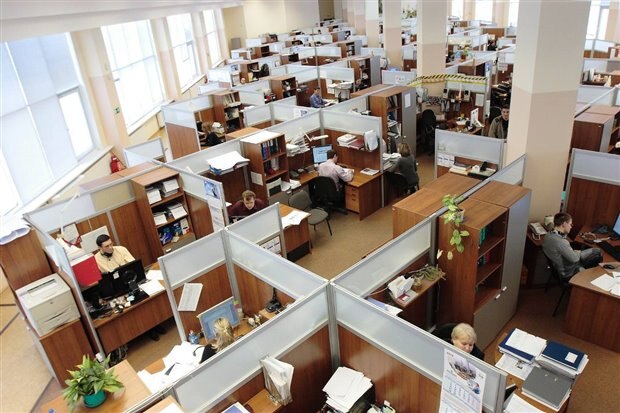
While it might feel prudent to ditch open-format layouts altogether, at least one experienced architect encourages office and building managers to take a step back. It’s normal to react (sometimes hastily) to pandemic pressures to keep employees safe. However, effective changes can be made without shuttering people behind high-walled cubicles or reverting to an individual, closet-sized offices with doors. By spacing desks and work areas, scheduling shifts or days of the week for in-person work, implementing guidelines for shared spaces, and installing transparent dividers, companies can achieve similar results while still trying to foster openness and collaboration.
Bring the Outdoors Inside
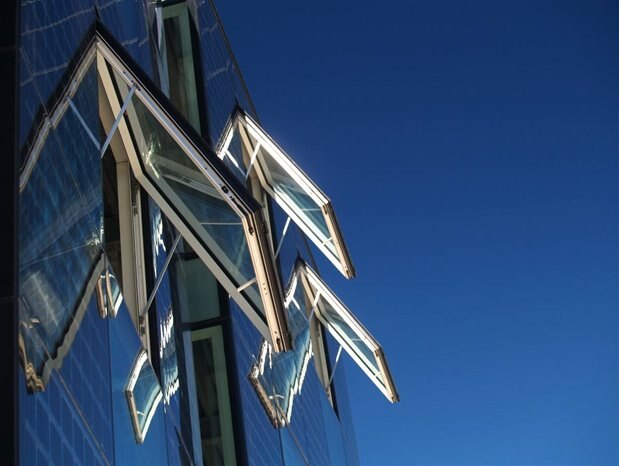
As many of us know by now, health experts encourage people to socialize responsibly in outdoor spaces to reduce transmission of COVID-19 particulates. Along these same lines, building designers are looking for ways to bring more fresh air inside buildings, such as with operable windows. The design increases outdoor air volume without increasing energy costs. Architects also suggest filtering exhaled air toward the ceiling and then pumping in outdoor air from vents in the floor to prevent cross-contamination of airflow. Rooftop spaces, living walls with greenery, and channeling natural light into the center of buildings are additional ways to give employees access to nature and fresh air and keep spirits lifted.
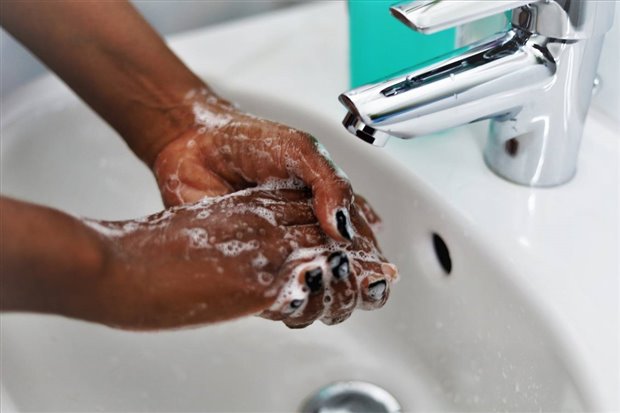
Practicing Safe Sanitation
Employers can create opportunities for cleanliness by installing handwashing and sanitation stations instead of simply relying on sinks in bathrooms and kitchen areas. When it comes to conference rooms and other shared spaces, some companies might ask employees to sanitize tables and chairs after each use so that they’re ready for the next small group. Signs, indicator lights or stickers can be used to communicate to others when space has been cleaned.
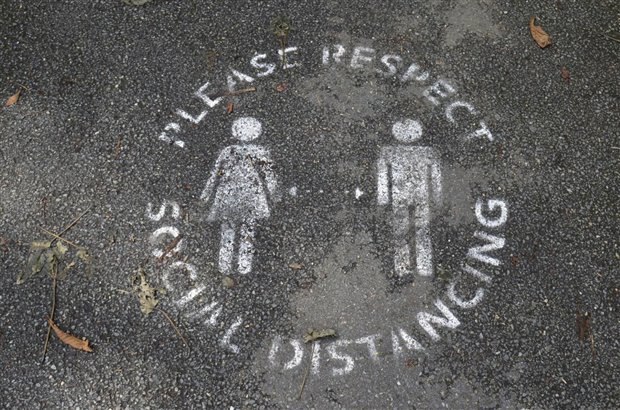
Creating Space
In addition to spacing desks and work areas, employers and building managers are exploring ways to encourage one-way traffic down hallways, limit foot traffic to certain areas with plants and other barriers, and use visual cues on floors with signs or carpet strips to remind people to maintain a safe physical distance. With distancing guidelines in play, some employers are also exploring the need to rent additional square footage in the building to accommodate spaced-out desks and work areas.
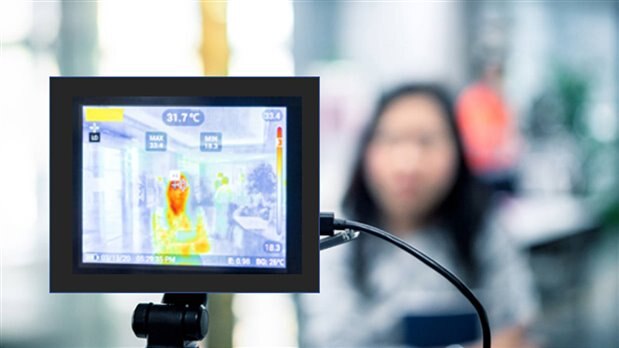
Image Credit: FDA.gov
Calling on Technology
If you’ve visited a hospital during the pandemic, you might have gotten your temperature taken without even knowing it. Occasionally, hospital personnel at the entrance might ask someone to push a hat back or move bangs to the side of their forehead to get a more accurate temperature reading. High-traffic office and other buildings can install thermal cameras at entrances to perform temperature screenings. Some offices also offer free antibody testing to their employees.
Touchless features in homes and office spaces were already on the rise, but experts think that their incorporation will accelerate due to the pandemic. As such, employees can expect to see the installation of touchless sensors for elevators, doors and light switches. To decrease high-touch items in shared spaces, such as coffee makers, companies might consider replacing them with vending machines or inviting employees to place coffee orders via apps. Robots then make and deliver coffee to employees. Sounds a bit futuristic, but maybe the Jetsons were onto something.
Have a story tip? Message me at: http://twitter.com/Cabe_Atwell
Top Comments