


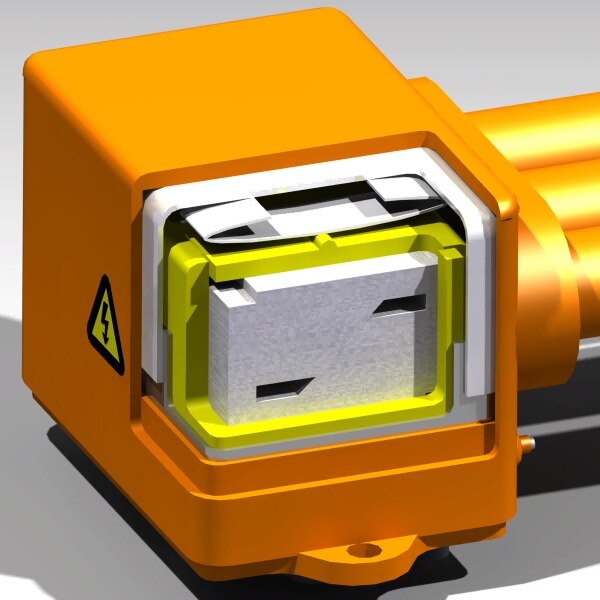
Scientists from the Technische Universitat Munchen (TUM) are collaborating with engineers from BMW to develop the means to replace copper with aluminum as a conductor in on-board power systems. ‘But why’, you might ask? Price. Copper is the conductive material of choice; however, in comparison to aluminum copper is heavy and expensive. With electric power and electronics playing an ever-increasing role in all kinds of vehicles, and in particular for fully electric vehicles, the switch to the cheaper and lighter aluminum could be an attractive option. Before the lighter and less expensive aluminum can replace copper in power supply systems, a number of technological challenges need to be surmounted. When temperatures are high, as one example, aluminum displays a distinct creep behavior. Conventional connectors could thus not be used, as they would become loose with time. A possible alternative, the use of aluminum-based elements in the cables and copper-based elements in the connection zone is fraught with difficulties. Since there is contact between the copper and aluminum cable is a large electrochemical potential, such cables would be greatly endangered by corrosion. So the scientists developed the aluminum-based LEIKO concept to counteract these difficulties. A sheet metal cage (an electromagnetic compatibility requirement anyway) enhances the mechanical stability of the plug and guarantees the long-term support of the contact pressure spring. Because the necessary contact force is no longer provided by the contact elements themselves, the originally problematic 'creep' behavior of aluminum turns into a contact stabilizing, and thus, positive property. This, in turn, also guarantees a constant contact force over a lifetime of ten years. To this end the researchers came up with a special wedge-shaped geometry for the aluminum contacts. The aluminum creep now leads to the two contacts snuggling closer and closer together over time, thereby rendering the electrical connection better yet. Moreover, the consistent use of aluminum alloys and the application of precious metal plating made it possible to relocate the formation of corrosion-prone local elements to less critical locations in the system. Initial results indicate that the material substitution will lead to significant improvements in weight, cost, and ultimately emissions. For more information please visit: http://translate.google.com/translate?hl=en&sl=de&tl=en&u=http%3A%2F%2Fwww.tum.de%2F&anno=2
Eavesdropper
-

M0DCD
-
Cancel
-
Vote Up
0
Vote Down
-
-
Sign in to reply
-
More
-
Cancel
Comment-

M0DCD
-
Cancel
-
Vote Up
0
Vote Down
-
-
Sign in to reply
-
More
-
Cancel
Children