


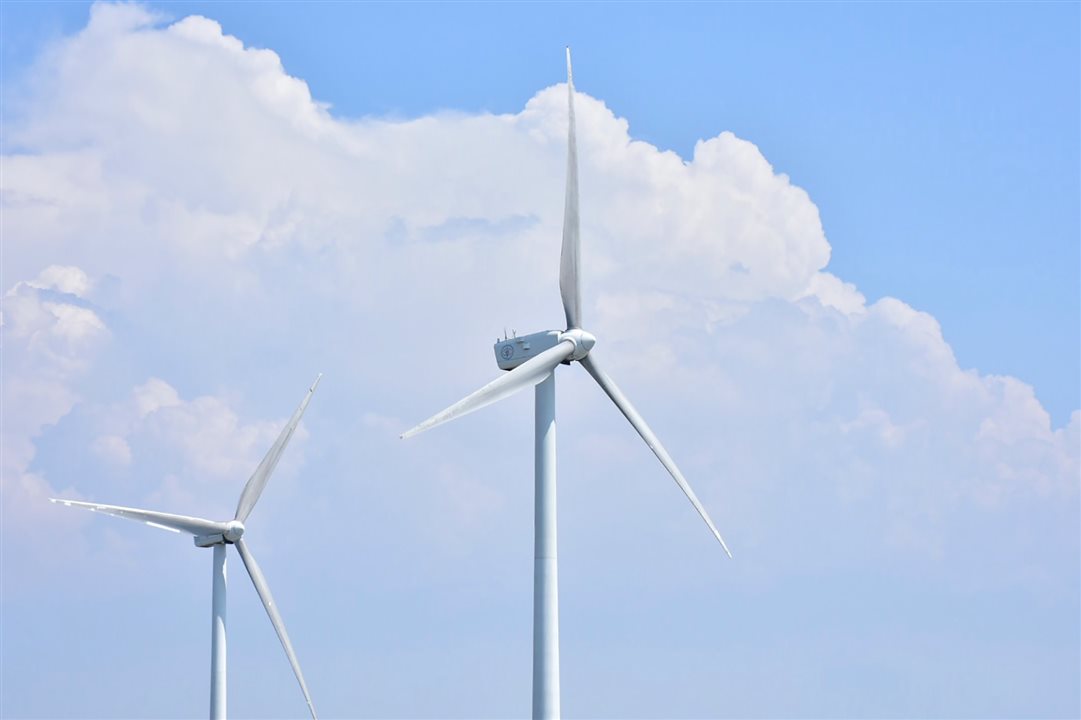
(Image Credit: Leo Chen/Unsplash)
On May 16th, the U.S. Department of Agriculture unveiled plans to invest nearly $11 billion to introduce low-cost renewables to the country's rural communities. Energy utilities, renewable companies, and rural electric cooperatives can use two programs to apply for funding.
This is the largest federal investment for rural electrification ever since the Rural Electrification Act was signed by Franklin D. Roosevelt in 1936. Rural areas will have access to a reliable power grid while reducing future energy costs. "This is an exciting opportunity for the Rural Utility Service to work collaboratively with our great partners, the Rural Electric cooperatives, in order to advance a clean energy future for rural America," U.S. Department of Agriculture Secretary TomVilsack said during a media briefing. "So this is an exciting and an historic day, and it continues an ongoing effort to ensure that rural America is a full participant in this clean energy economy."
Up to $9.7 billion from the Empowering Rural America program is expected to be available for Rural electric cooperatives to develop zero-emission, renewable energy, and carbon capture systems.
"This is an exciting and transformative opportunity for co-ops and their local communities, particularly as we look toward a future that depends on electricity to power more of the economy," National Rural Electric Cooperative Association CEO Jim Matheson said. "USDA has smartly structured this program in a way that will help electric co-ops leverage new tools to reduce costs and keep energy affordable while meeting the future energy needs of their rural communities."
The Powering Affordable Clean Energy program plans to have $1 billion available for electric utilities and energy companies to fund renewables, including wind, solar, and geothermal projects. Ultimately, the Department of Agriculture aims to offer low-cost green energy solutions to indigenous, vulnerable, and disadvantaged communities.
From July 31st to August 31st, Rural electric cooperatives use the Empower Rural American program to apply for loans, grants, and loan modifications. Meanwhile, the Powering Affordable Clean Energy program applications start on June 30th and end on September 29th. The Inflation Reduction Act funds these programs. So far, it has collected hundreds of billions of dollars set for environmental cleanup and the renewable shift. In February, the Bid Administration revealed that states and nonprofits can apply for funds worth $27 billion through a "green bank."
Have a story tip? Message me at: http://twitter.com/Cabe_Atwell