element14 Community
element14 Community
    Register Log In
  • Site
  • Search
  • Log In Register
  • Community Hub
    Community Hub
    • What's New on element14
    • Feedback and Support
    • Benefits of Membership
    • Personal Blogs
    • Members Area
    • Achievement Levels
  • Learn
    Learn
    • Ask an Expert
    • eBooks
    • element14 presents
    • Learning Center
    • Tech Spotlight
    • STEM Academy
    • Webinars, Training and Events
    • Learning Groups
  • Technologies
    Technologies
    • 3D Printing
    • FPGA
    • Industrial Automation
    • Internet of Things
    • Power & Energy
    • Sensors
    • Technology Groups
  • Challenges & Projects
    Challenges & Projects
    • Design Challenges
    • element14 presents Projects
    • Project14
    • Arduino Projects
    • Raspberry Pi Projects
    • Project Groups
  • Products
    Products
    • Arduino
    • Avnet & Tria Boards Community
    • Dev Tools
    • Manufacturers
    • Multicomp Pro
    • Product Groups
    • Raspberry Pi
    • RoadTests & Reviews
  • About Us
    About the element14 Community
  • Store
    Store
    • Visit Your Store
    • Choose another store...
      • Europe
      •  Austria (German)
      •  Belgium (Dutch, French)
      •  Bulgaria (Bulgarian)
      •  Czech Republic (Czech)
      •  Denmark (Danish)
      •  Estonia (Estonian)
      •  Finland (Finnish)
      •  France (French)
      •  Germany (German)
      •  Hungary (Hungarian)
      •  Ireland
      •  Israel
      •  Italy (Italian)
      •  Latvia (Latvian)
      •  
      •  Lithuania (Lithuanian)
      •  Netherlands (Dutch)
      •  Norway (Norwegian)
      •  Poland (Polish)
      •  Portugal (Portuguese)
      •  Romania (Romanian)
      •  Russia (Russian)
      •  Slovakia (Slovak)
      •  Slovenia (Slovenian)
      •  Spain (Spanish)
      •  Sweden (Swedish)
      •  Switzerland(German, French)
      •  Turkey (Turkish)
      •  United Kingdom
      • Asia Pacific
      •  Australia
      •  China
      •  Hong Kong
      •  India
      •  Japan
      •  Korea (Korean)
      •  Malaysia
      •  New Zealand
      •  Philippines
      •  Singapore
      •  Taiwan
      •  Thailand (Thai)
      •  Vietnam
      • Americas
      •  Brazil (Portuguese)
      •  Canada
      •  Mexico (Spanish)
      •  United States
      Can't find the country/region you're looking for? Visit our export site or find a local distributor.
  • Translate
  • Profile
  • Settings
Power & Energy
  • Technologies
  • More
Power & Energy
Blog MIT Develops a New Technique to Extract Lithium from Spodumene Rock
  • Blog
  • Forum
  • Quiz
  • Documents
  • Polls
  • Events
  • Mentions
  • Sub-Groups
  • Tags
  • More
  • Cancel
  • New
  • Share
  • More
  • Cancel
Toptech-Voices
Group Actions
  • Group RSS
  • More
  • Cancel
Engagement
  • Author Author: Catwell
  • Date Created: 12 Jun 2026 4:38 PM Date Created
  • Views 588 views
  • Likes 4 likes
  • Comments 0 comments
  • mining
  • industrial
  • mit
  • on_campus
  • university
  • power
  • energy
Related
Recommended

MIT Develops a New Technique to Extract Lithium from Spodumene Rock

Catwell
Catwell
12 Jun 2026

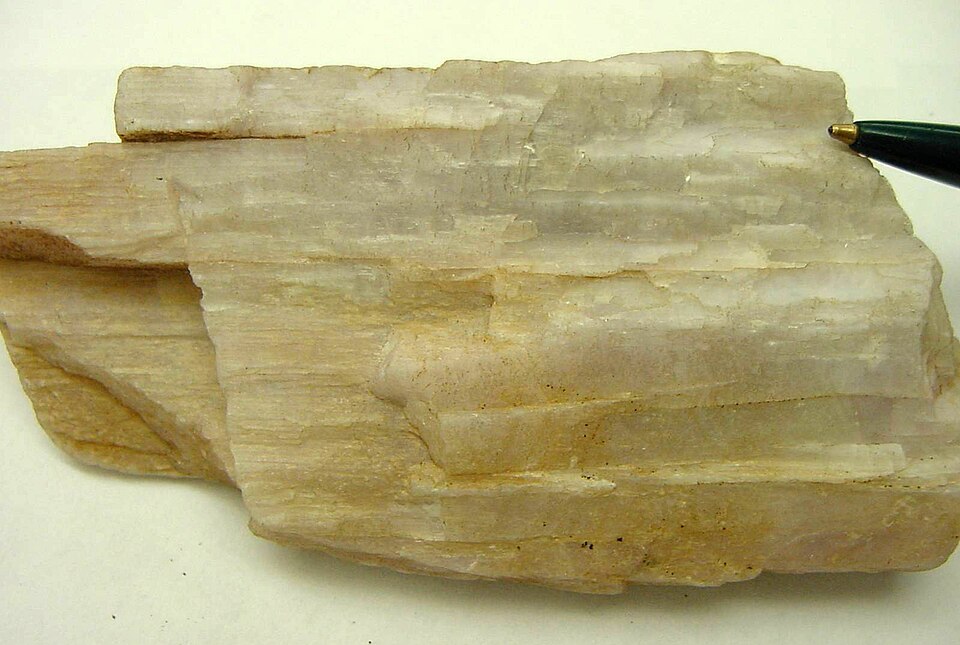
image

(Image Credit: Wikimedia Commons)

MIT researchers recently created a new method to extract lithium from spodumene rock using a low-temperature process. A bathroom renovation inspired the research. At the time, Yet-Ming Chiang, MIT’s Kyocera Professor of Materials Science and Engineering, noticed that glass etching cream dissolves silica. The researchers then created a similar liquid solution that dissolves silica in spodumene rock. With this technology, we could see hard rock lithium resources in North America and create a sustainable supply for the battery industry.

“By 2040, we need to quadruple production of lithium globally, which amounts to hundreds of new lithium producing assets,” says author Camden Hunt, a former project manager in MIT’s Center for Electrification and Decarbonization of Industry. “Hard rock is abundant; you can find it everywhere. But most hard rock refining is done in China. Our central thesis is if you can find an easier way to crack the rock, get lithium out, and make battery-grade lithium salts, you can change the lithium market. It aligns with the recent push to onshore production of critical minerals in the U.S.”

The team used a liquid reagent, aqueous ammonium fluoride, to dissolve the spodumene rock at temperatures around 200°F. It takes under twelve hours to extract all the lithium and works in stirred plastic tanks, making it more practical and less energy intensive compared to modern techniques. Tests were conducted on 17 types of spodumene samples.

First, the team isolated lithium fluoride before isolating lithium hydroxide and lithium carbonate. Afterward, they went back to the lab to create processes to produce both. Some of these involved adding carbon dioxide or sodium carbonate. In addition, the team isolated aluminum in the rock via high-temperature separation techniques and silica, isolated by precipitation.  

Apart from lithium, this process creates byproducts such as smelter-grade alumina for aluminum smelting and cement-ready silica. It valorizes all the elements found in the rock instead of eliminating waste material. Thanks to the closed-loop system, the ammonium fluoride reagent and water can be reused, resulting in nearly no waste. Diluted bicarbonate solutions neutralize any leftover waste to produce sodium fluoride. Even then, MIT’s new approach is better for the environment than metal leaching, which relies on harsh chemicals and produces waste.

MIT says its method may cut lithium production costs from spodumene by over 40%, which could lead to cost parity with lithium extraction from brine water. They also founded a startup called Rock Zero to commercialize the technology, and according to estimates, the costs could reach $5,000 per metric ton. The startup is expected to build a pilot plant by the end of 2026, operating in 2027.

Have a story tip? Message me here at element14.

  • Sign in to reply
element14 Community

element14 is the first online community specifically for engineers. Connect with your peers and get expert answers to your questions.

  • Members
  • Learn
  • Technologies
  • Challenges & Projects
  • Products
  • Store
  • About Us
  • Feedback & Support
  • FAQs
  • Terms of Use
  • Privacy Policy
  • Legal and Copyright Notices
  • Sitemap
  • Cookies

An Avnet Company © 2026 Premier Farnell Limited. All Rights Reserved.

Premier Farnell Ltd, registered in England and Wales (no 00876412), registered office: Farnell House, Forge Lane, Leeds LS12 2NE.

Follow element14

  • X
  • Facebook
  • linkedin
  • YouTube