


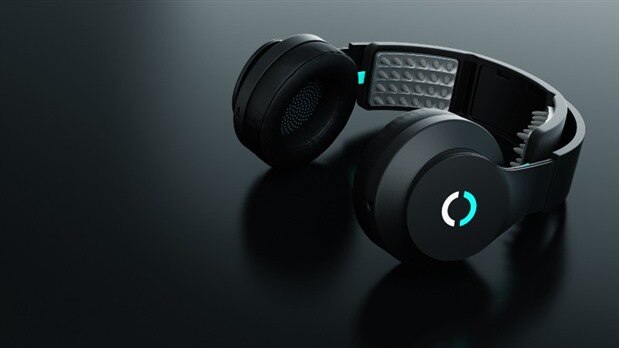
Olympic athletes team up with Halo Sport for a new wearable tech that promises to improve their training. Can these headphones really reach your brainwaves and improve your training? (via Halo Neuro)
Is anyone else excited about the Summer Olympics starting in a week or so? You know I am. Check out what I did in 2012! I plan to cover all things tech for the Olympics coming up. Since, I'll be watching anyway.
When you want music on the go, headphone choice is very important. Whether you need to boost your workout or kill an hour on the bus, you need the perfect headphone to properly listen to music. But what about a wearable that actually improves the effectiveness of training? Athletes preparing for the Rio Olympics are relying on new tech called Halo Sport headphones. These headphones don't just improve your listening experience, they actually stimulate the brain's motor cortex into a momentary “hyperplasticity” mode. This is where it can build neural connections to improve training. This stimulation is called “Neuropriming.” The result is training that's more productive for the brain to build optimized neuronal circuitry for movement. Athletes can produce more precise, coordinated, and effective movement with improved neuromuscular output.
The high tech headphones are made by Halo Neuroscience, a company that develops neurotechnology to unlock human potential in the healthy and impaired. Several athletes have already gotten behind Halo Sport, including sprinter Hafsatu Kamara, relayer Natasha Hastings, sprinter Mike Rogers, and hurdler Michael Tinsley. “We’re thrilled to be working with Summer Olympics athletes who understand and believe in Halo Sport and, more importantly, are getting better results from their training,” said Daniel Chao, CEO and co-founder of Halo Neuroscience. “Each athlete brings a unique background and training regimen to Rio this summer, and the training we’re doing continues to build on the work we’ve done with athletes from the Winter Olympics, military, NFL, NBA, and MLB.”
Halo Neuroscience just opened up its second wave of pre-sales on their website. Now, the public can try out these headphones for themselves at the high cost of $649, a $100 discount before it gets to the general public. The first wave of pre-sales were unveiled back in February and sold out in less than a week. The technology is certainly interesting, but does it actually work? Of course at this time the athletes who are using it are going to say yes – they're most likely getting paid to do so. But it's kind of hard to believe that strapping on a pair of headphones is actually going to improve how effective your training is. Until we get reviews from the public, it's best to be wary of this product especially at such a high price.
The Halo Sport headphones aren't the only technology Olympic athletes are testing out this year. The Zika infection is a serious threat this year and American athletes may be exposed to it according to the National Institute of Health. To help prevent infection engineers at Philadelphia University created antimicrobial suits to protect US rowers from the polluted water around Rio. While it sounds like a great idea it may not be enough with 1.7M times the level of viral presence considered hazardous. Part of the issue is the outfits don't cover the entire body. Also, the antimicrobial finish might not resist some of the virus nor will they act fast enough to block some bacteria. The wearable is a solid attempt at prevention, but athletes will still have to take safety into their own hands. The Zika virus is serious and even though 6.7 percent of the 567 rowers in a junior championship in Rio got sick last year, no on had pulled out. Let's hope the athletes make it through safely.
Have a story tip? Message me at: