


Recap
Can random Vape Cells with unknonw histories be bundled into a smart battery system to ultimately power an EV, power wall or other device?
- Vape Cell EV - part I - What’s in a Vape
- Vape Cell EV - part II - RS485 comms
- Vape Cell EV - part III - INA219 power monitor
Challenges
Although I have been bit more busy recently with trips away, even though it is winter here in Australia , the biggest challenge is not fully knowing everything about battery charging and trying to take small steps to identify what is safe to do. Which has lead to stalling some of the things I wanted to do in this project.
What I learnt
It seems that for most Li-ion cells like the 18650, the key to charging them is CC (Constant Current) and CV (Constant Voltage). The cell has a nominal voltage of 3.6V ~ 3.7V and usually a maximum charge voltage of 4.20V. Cells can be chargec at between 0.2C - 1.0C where C is Capacity. For a cell that claims 6000mAh this would mean 0.2C 1.2A, 0.5C 3A or 1.0C 6A. These are indicative values and READ THE DOCUMENTATION FOR YOUR CELL. Not to say the least that I was not about to push 6A through my cell on a desk  . Even less so for an old vape cell that was not labled.
Also cells can become damaged if they go below a minimum voltage, usually around 3V.
A battery management system, BMS, allows multiple cells to be charged. A balance connector allows for each individual cell to be connected and managed for the above thresholds:
- over charge protection
- over discharge protection
- over current protection
From what I can see in builds like Chris Doel’s “I Powered My House Using 500 Disposable vapes”, although he adds a per battery fuse for short protection, there is actually no BMS, no ability to check the levels of any individual cell and from my understanding, he has manually charged the cells and put them into a battery configuration which he will never be able to re-charge safely - a one off YouTube video stunt?

Interestingly in the vape cells, the over current protection is built into the vape cell wire - if you short the battery, the wire will immediately burn through and cut off any more current flow.
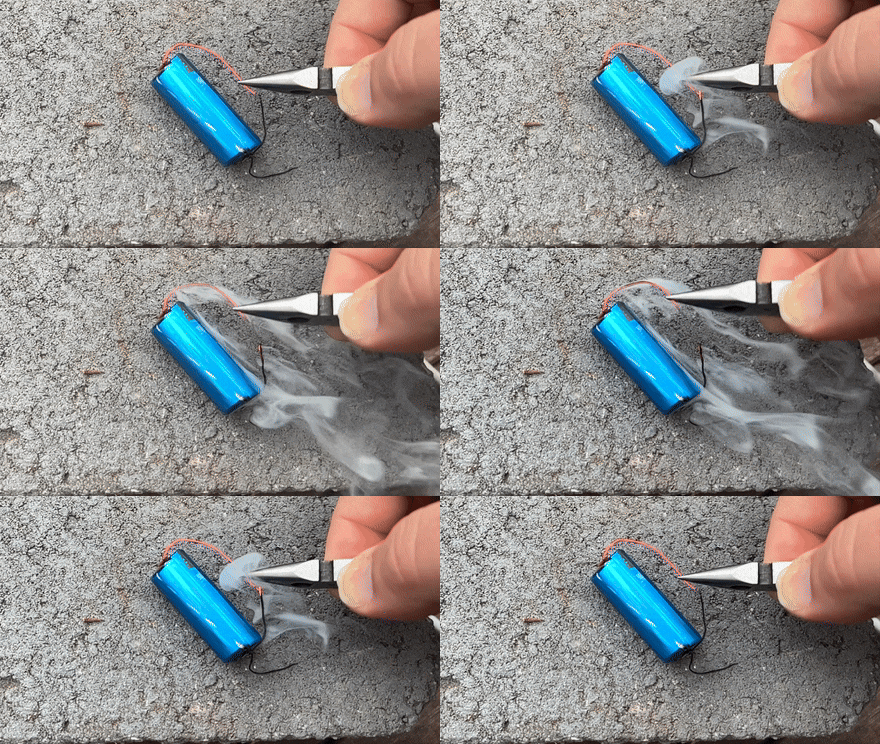
In above video you can see when I short out the cell (DO NOT TRY THIS AT HOME) the wire from the vape cell is so thin, it burns out and acts as a fuse to immediately stop current flow.
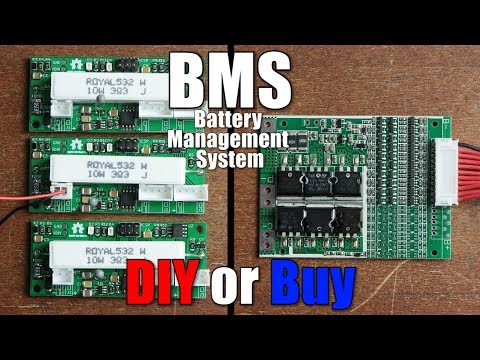
One of the online BMS circuits https://github.com/stuartpittaway/diyBMS allows you to monitor each cell via a web interface powered by ESP8266. Interestingly over charge protection seems not to turn off the charging of the battery but redirecting the extra current into a big 3Ω3 10W resistor, which seems OK for balancing batteries that have been overcharged but seems like overkill to have that per battery, a resistor the size of a battery just to charge it? an informative overview can be seen in Great Scott’s DIY or Buy segment
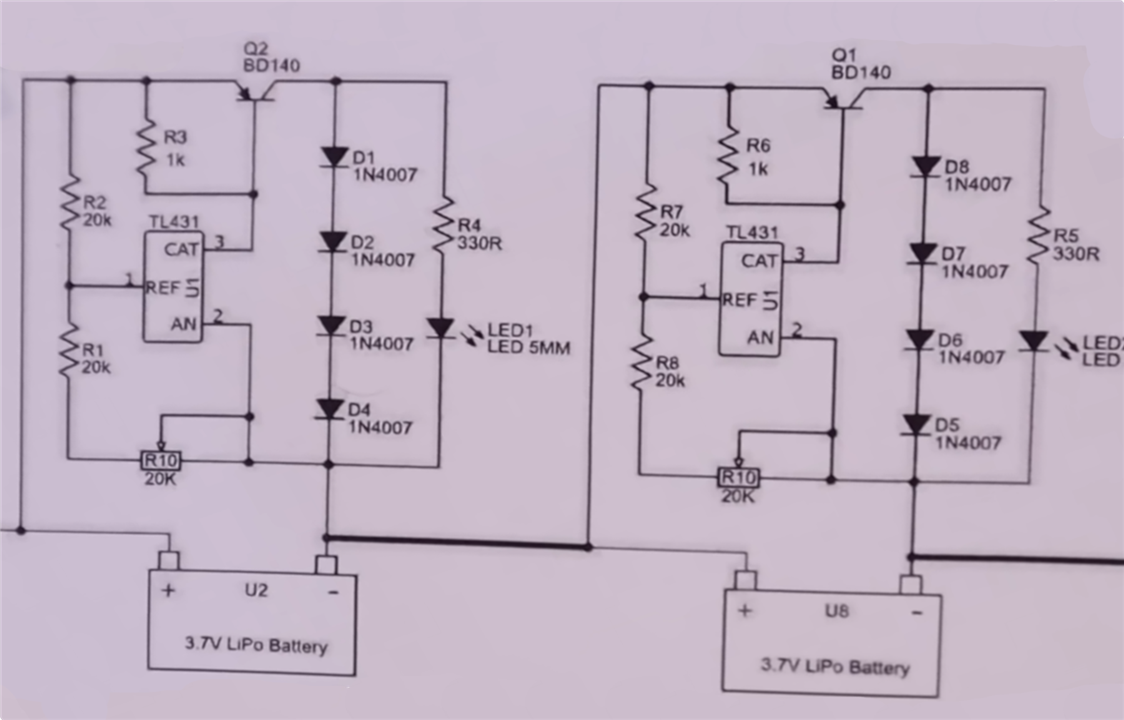
Electronoobs also has a hand built BMS. This circuit uses a zener diode to redirect extra current into a load of 4 diodes, again I am not fully sure of this but it does feel wasteful. More can be seen in the video below

Finally Haase Industris seems to point out some of the limitations of the above circuits and proposes using a BQ77915


In between this I saw a video showing how overcharging can explode a cell
And Adam Savage’s overview of 18650 lithium-Ion batteries with a review from Lumafield’s Battery quality report which seems to sugges that anything other than a branded cell is a ticking time bomb. Their X-ray like technology showing build flaws in batteries
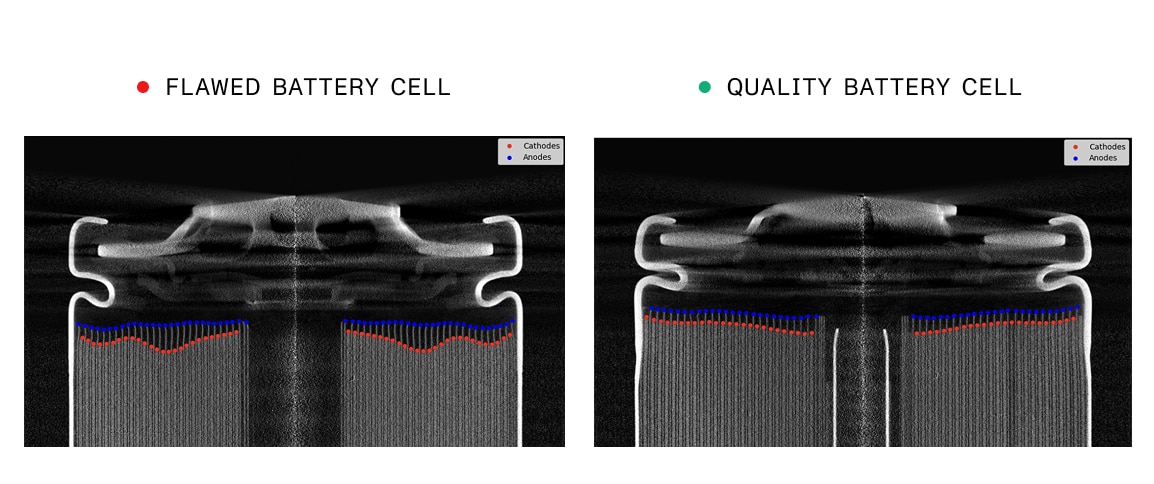
See the full video here:

That said, a recent YouTube short from Great Scott suggests it is actually quite hard to blow one of these batteries up

as you can see, a lot of information and heat generated that took me a little bit out of my comfort zone.
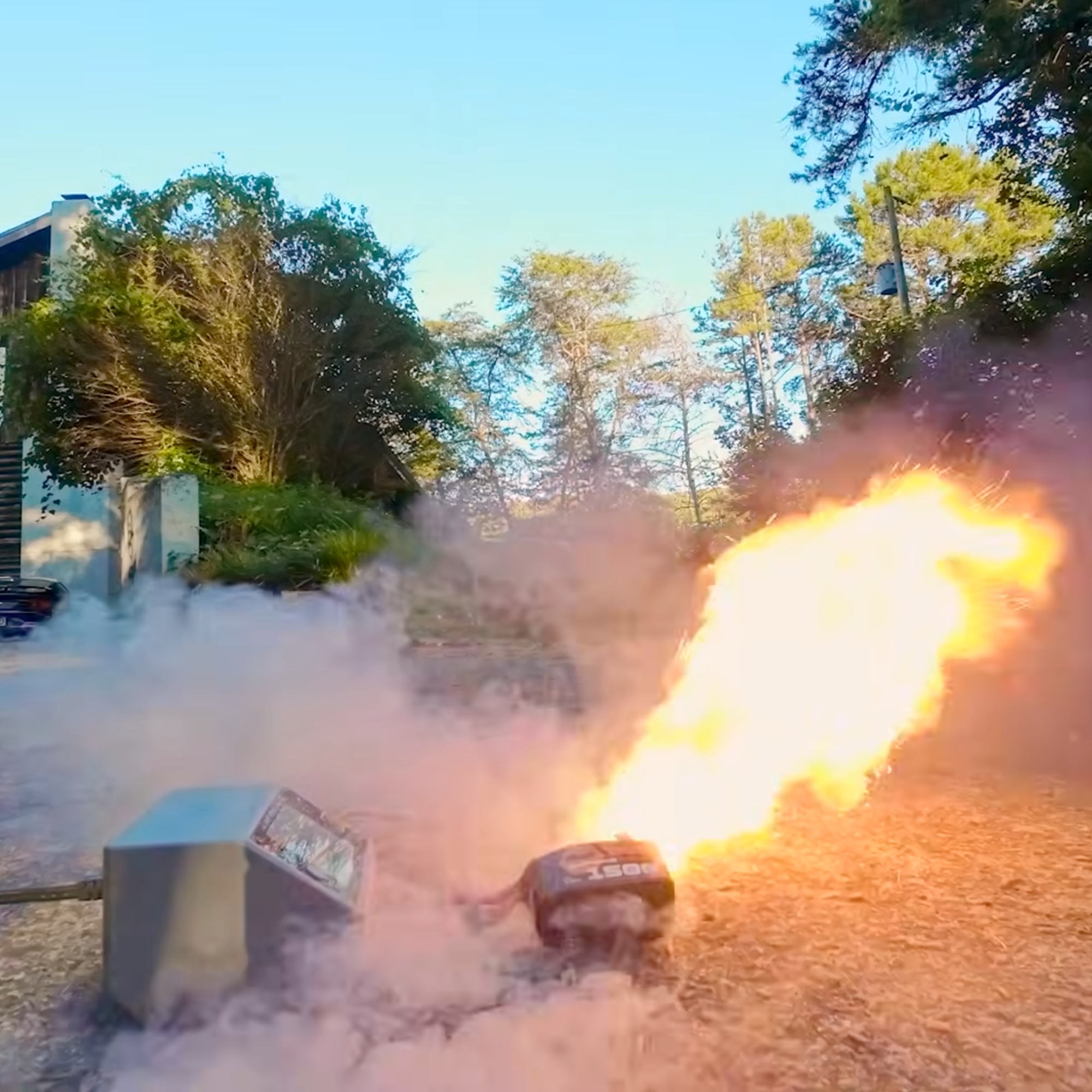
care of How to keep LiPos from burning down your house (safe lipo charging) - Joshua Bardwell
Up Next
Using the INA219 curernt/voltage monitor from Vape Cell EV - part III - INA219 power monitor I plan to cycle a known 18560 cell and a vape cell to see how close my tracking is to what is written on the packaging


