As mentioned in my previous blog on Dragonboard 410C GPIO I was planning to use the libsoc library from Jack Mitch. I though I'd installed this correctly but when I tried to access it from Python it was refusing to import the library. Re-reading ...
I've put the code for the project on Github as it's now starting to get interesting. Testing on something simplerSo that I knew that OpenCV was working correctly I created a simple test script. import numpy as np
import cv2
print cv...
For my Dragon detector project I was interested in activating some kind of attached "defence" when a dragon was detected. For this I intend to use the GPIO pins, the 96Boards GPIO library only has basic functionality at the moment, digital read and w...
Following on from Getting started with Dragonboard 410cFor my project to work, I need the following: Internet connectivityWebcamPythonOpenCVGPIO I decided to tackle the software elements first as those were the areas I was least familiar wi...
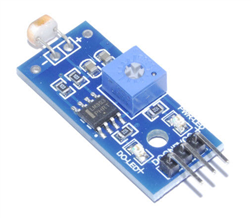
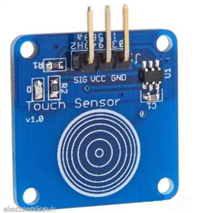
Once the headless Raspberry Pi had been set-up we got started with Node-Red, sensors, LEDs and Servos.For the sensors I selected 3 different kinds, light, touch and motion. The light sensor is based around a simple LM393 comparator with a preset...
After my slightly jovial entry to the DragonBoard competition was accepted, I was sent a board to do my project with. I was also sent a US power supply so had to get an adaptor for it to work (luckily the supply was rated for 240v). For setup, I...
I had a great start to 2015, I'd just been selected to Road Test a Cel Robox 3D printer at the end of December and managed to get detailed look at the inside of the printer and also do some test prints before the printer went off for an upgrade a...
A simple project to flash some LEDs as is traditional at this time of year. I took a Adafruit Trinket which is an ATTiny based board and added some transistors as simple open collector drivers. The resistors were carefully calculated by just gra...
I was lucky enough to grow up at the time that the home computing in the UK was taking off. Micro Live was on the telly and Sinclair User and Crash Magazine were in the news agents. School At school we had BBC computers, they first appeared...
As part of the Enchanted Objects Design Challenge I wanted to draw up some circuit diagrams. Given that I was planning to mostly use modules I chose Fritzing rather than Eagle as it's good sketch like diagrams. As I was hoping to use the RGB...
My main project for 2014 was a combination of electronics, mechanics and software. The Topsy Turvy Clock uses an Arduino Micro, RTC and Darlington buffers to control two stepper motors to tell the time on this rather unique clock. It turned out to be...