element14 Community
element14 Community
    Register Log In
  • Site
  • Search
  • Log In Register
  • Community Hub
    Community Hub
    • What's New on element14
    • Feedback and Support
    • Benefits of Membership
    • Personal Blogs
    • Members Area
    • Achievement Levels
  • Learn
    Learn
    • Ask an Expert
    • eBooks
    • element14 presents
    • Learning Center
    • Tech Spotlight
    • STEM Academy
    • Webinars, Training and Events
    • Learning Groups
  • Technologies
    Technologies
    • 3D Printing
    • FPGA
    • Industrial Automation
    • Internet of Things
    • Power & Energy
    • Sensors
    • Technology Groups
  • Challenges & Projects
    Challenges & Projects
    • Design Challenges
    • element14 presents Projects
    • Project14
    • Arduino Projects
    • Raspberry Pi Projects
    • Project Groups
  • Products
    Products
    • Arduino
    • Avnet & Tria Boards Community
    • Dev Tools
    • Manufacturers
    • Multicomp Pro
    • Product Groups
    • Raspberry Pi
    • RoadTests & Reviews
  • About Us
  • Store
    Store
    • Visit Your Store
    • Choose another store...
      • Europe
      •  Austria (German)
      •  Belgium (Dutch, French)
      •  Bulgaria (Bulgarian)
      •  Czech Republic (Czech)
      •  Denmark (Danish)
      •  Estonia (Estonian)
      •  Finland (Finnish)
      •  France (French)
      •  Germany (German)
      •  Hungary (Hungarian)
      •  Ireland
      •  Israel
      •  Italy (Italian)
      •  Latvia (Latvian)
      •  
      •  Lithuania (Lithuanian)
      •  Netherlands (Dutch)
      •  Norway (Norwegian)
      •  Poland (Polish)
      •  Portugal (Portuguese)
      •  Romania (Romanian)
      •  Russia (Russian)
      •  Slovakia (Slovak)
      •  Slovenia (Slovenian)
      •  Spain (Spanish)
      •  Sweden (Swedish)
      •  Switzerland(German, French)
      •  Turkey (Turkish)
      •  United Kingdom
      • Asia Pacific
      •  Australia
      •  China
      •  Hong Kong
      •  India
      • Japan
      •  Korea (Korean)
      •  Malaysia
      •  New Zealand
      •  Philippines
      •  Singapore
      •  Taiwan
      •  Thailand (Thai)
      • Vietnam
      • Americas
      •  Brazil (Portuguese)
      •  Canada
      •  Mexico (Spanish)
      •  United States
      Can't find the country/region you're looking for? Visit our export site or find a local distributor.
  • Translate
  • Profile
  • Settings
Power & Energy
  • Technologies
  • More
Power & Energy
Documents Wishlist - What do you need for DIY Solar Energy?
  • Blog
  • Forum
  • Quiz
  • Documents
  • Polls
  • Events
  • Mentions
  • Sub-Groups
  • Tags
  • More
  • Cancel
  • New
Actions
  • Share
  • More
  • Cancel
Engagement
  • Author Author: dychen
  • Date Created: 3 May 2023 2:49 PM Date Created
  • Last Updated Last Updated: 14 Sep 2023 12:43 PM
  • Views 6291 views
  • Likes 12 likes
  • Comments 18 comments
Related
Recommended

Wishlist - What do you need for DIY Solar Energy?

For the Summer of Green Technology, we're focusing on renewable energy, like solar and wind power. In this wishlist, we'll go over some of the components that you might need when putting together your own solar power system. Since there are so many different energy requirements, we won't get into any individual designs - this is more of a general list of parts you might need.

Solar Wishlist Giveaway - Ended

Answer the questions below for a chance to win a Multicomp Pro - Pro Solar Light/Solar Power Meter.

  • What are some tips on integrating renewable energy into your designs?
  • If you have past projects which used renewable energy, we'd love to hear how you did it...and of course, we'd love to see some pictures!

Terms:
Post your answer as a comment below between 8th May 2023 and 16th June 2023. The best answers will be chosen by the element14 community team, and you will be shipped your prize (or local equivalent) free of charge.

Solar Cells/Panels

When selecting solar cells/panels, estimate your energy requirements and calculate how many you need - it might be a lot. For smaller projects, check out the following:

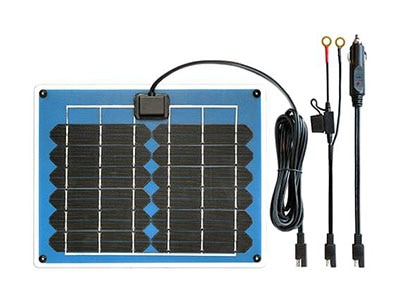
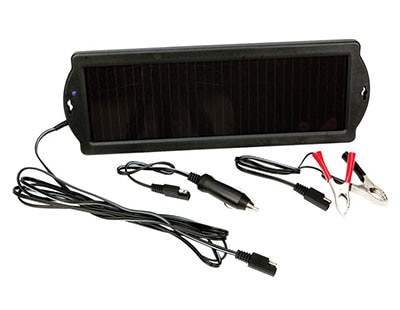
Solar Battery Charging Panel
image

Buy now

Solar Battery Maintainer

image

Buy now

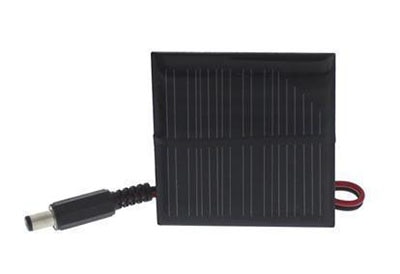
Monocrystalline Solar Cell with Arduino-compatible Barrel Plug
image

Buy now

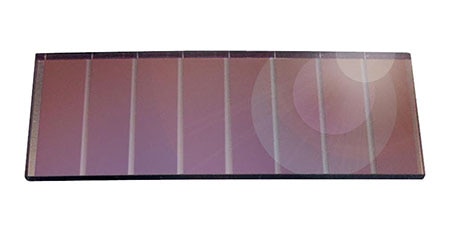
EnOcean Indoor Solar Cell
EnOcean systems are designed to use energy harvesting to provide power for sensors and other small devices.
image

Buy now

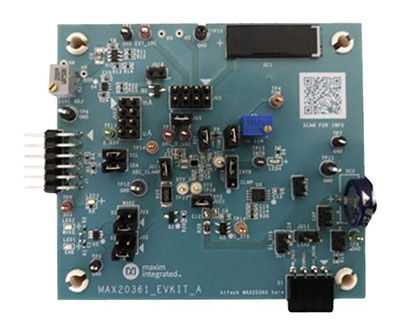
Solar Harvester Development Kit
This kit gives you the tools to experiment with solar energy and the Maxim MAX20361 solar harvester IC.
image

Buy now

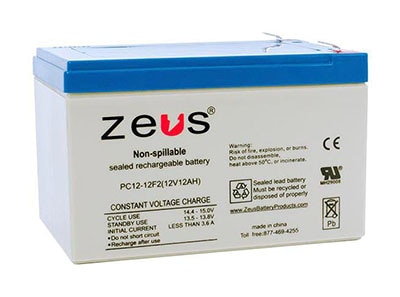
Battery

You can use a 12V lead-acid battery for a low power system, while a high power system may require multiple deep cycle batteries with a total capacity of several kilowatt-hours.
image

Buy now

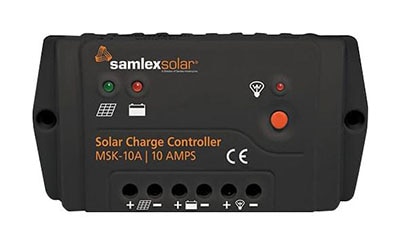
Charge Controller

A charge controller is necessary to regulate the flow of energy between the solar panel and the battery. It prevents overcharging and helps prolong the life of the battery. Choose a charge controller that matches the voltage of your solar panel and battery.
image

Buy now

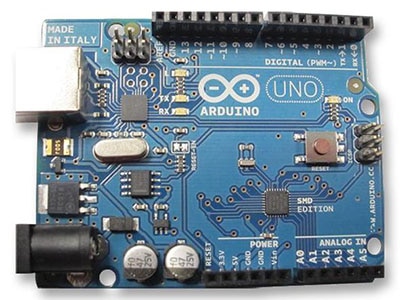
You can also build a charge controller; parts will vary depending on what type you want to build. Here's an example that uses an Arduino: MPPT Charge Controller 

Here are some of the parts you'll need:

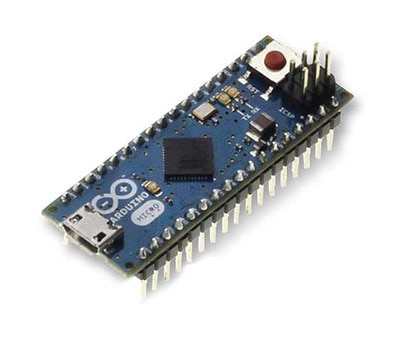
Arduino UNO
image

Buy now

Arduino Nano

image

Buy now

Dual MOSFET, Half Bridge

image

Buy now

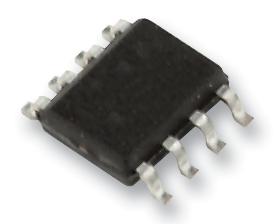
Current Sense Amplifier
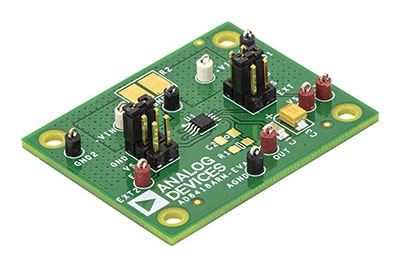
The AD8418A is a surface mount device; if you're not used to working with SMDs, the evaluation board below might make things easier.
image

Buy now

Evaluation Board for the AD8418 Current Sense Amplifier
image

Buy now

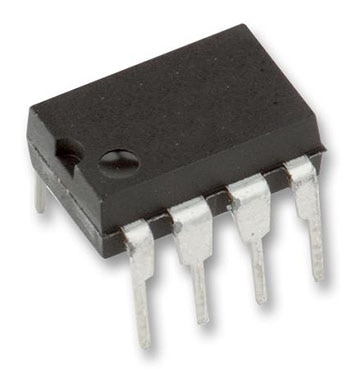
DC-DC Switching Buck, Boost, Inverting Regulator
image

Buy now

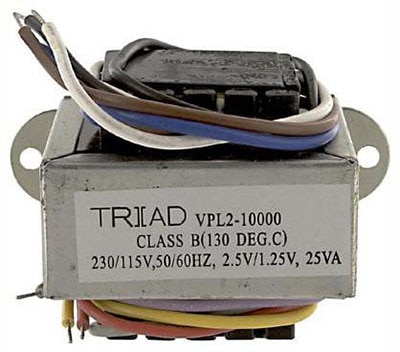
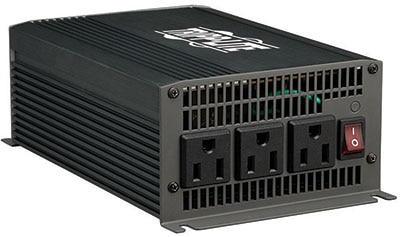
Inverter

If you plan to power AC appliances, you will need an inverter to convert the DC power from the battery to AC power that can be used by your appliances. Choose an inverter that matches the voltage and wattage of your battery and appliances.
image

Buy now

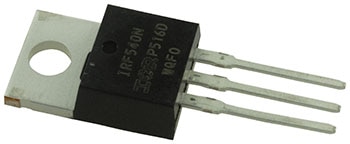
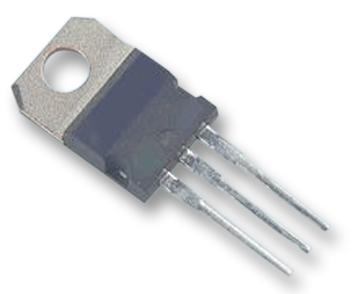
What if you want to build your own? An Internet search should yield some designs, from simple to very advanced. This link shows a simple inverter circuit; it outputs more of a square wave, but that should work for most applications! Here are some of the parts you'll need.

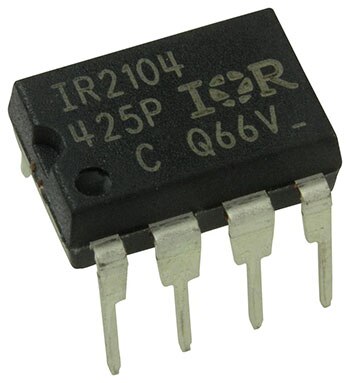
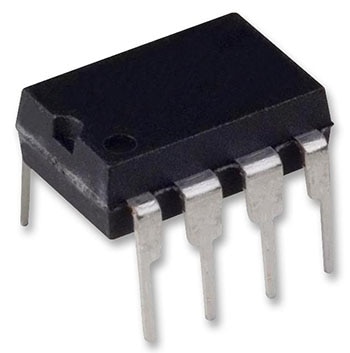
555 Timer
image

Buy now

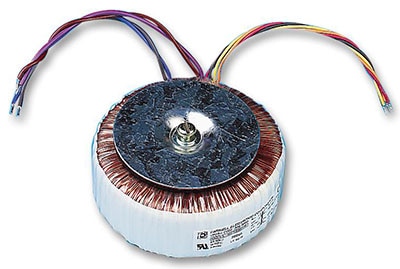
Toroidal Transformer

image

Buy now

Chassis-mount Transformer

image

Buy now

Power MOSFET

image

Buy now

image

Buy now

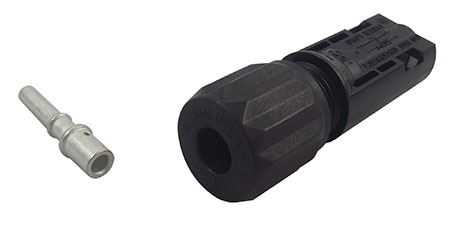
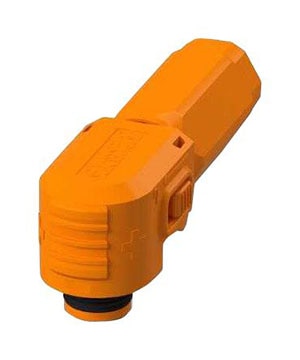
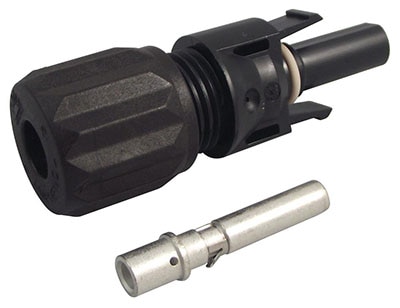
Photovoltaic/Solar Connectors

In addition to the components above, you'll need various items such as connectors and fuses, as well as tools for measurement.

Amphenol H4 Series
image

Buy now

image

Buy now

Phoenix Contact Aries ES Series

image

Buy now

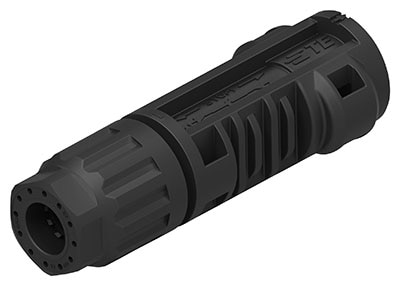
TE Connectivity SOLARLOK PV4-S Series
image

Buy now

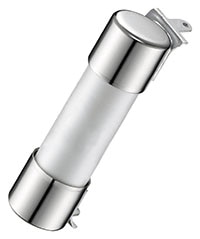
Fuses

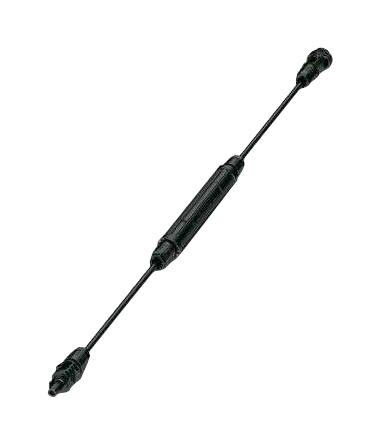
Phoenix Contact SUNCLIX PV Connector with Fuse Element
image

Buy now

Ceramic Industrial/Power Fuse

image

Buy now

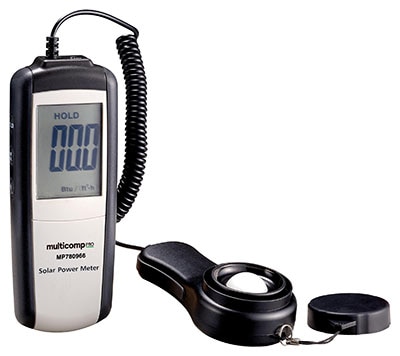
Tools for Test and Measurement

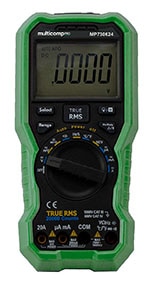
Digital Multimeter with Bluetooth
image

Buy now

Solar Power/Light Meter

image

Buy now

Terms & Conditions

  • portable
  • diy
  • solar cell
  • battery
  • inverter
  • solar power
  • mppt
  • charge controller
  • summer of green technology
  • renewable energy
  • photovoltaic
  • Share
  • History
  • More
  • Cancel
  • Sign in to reply

Top Comments

  • taifur
    taifur over 2 years ago +3
    For a remote IoT device like data logger or environmental monitoring solar power is very effective if you don't like to replace the battery every few days. An efficient solar charger is required for this…
  • gordonmx
    gordonmx over 2 years ago

    In addition to all the good suggestions, a movable solar panel would be useful to optimize the attack angle of each panel to the sun's rays.  Hopefully motorized, but not required.  And just a suggestion, having viewed a number of homes in our area with solar panels installed, make use you check the estimated remaining life of your current roof before the installation.  It can get expensive to remove the panels when replacing your roof tiles, then reinstalling the panels.

    • Cancel
    • Vote Up 0 Vote Down
    • Sign in to reply
    • More
    • Cancel
  • ralphjy
    ralphjy over 2 years ago in reply to dougw

    It's hard to tell on an average basis will all the other variations.  I probably ought to try to define a "reference day" to get measurements with the same irradiance and ambient temp and sun angle.  I haven't been that diligent. Probably need to clean the panels first - that's the hardest part...

    The system is a bit over 5 years old and the projected life (warranty if you believe it) should be down 8-10% at year 25.  

    • Cancel
    • Vote Up 0 Vote Down
    • Sign in to reply
    • More
    • Cancel
  • dougw
    dougw over 2 years ago in reply to ralphjy

    Has your solar power reduced as the solar cells age? Or is that hard to determine?

    • Cancel
    • Vote Up 0 Vote Down
    • Sign in to reply
    • More
    • Cancel
  • scottiebabe
    scottiebabe over 2 years ago

    A clear view of the sky is definitely a nice to have Sun with face

    image

    • Cancel
    • Vote Up 0 Vote Down
    • Sign in to reply
    • More
    • Cancel
  • ralphjy
    ralphjy over 2 years ago

    I have a 4KW roof mounted solar system using a string inverter with two strings of 9 panels each.  What I'd like to try as a DIY project is a semi-portable system of 1 or 2 panels with microinverters.  New technology panels are 400W whereas mine are 285W.  Have not looked into what it would take to run a microinverter off-grid.  Maybe there is already an existing solution.  Something like a modified battery powered UPS with a frequency source.

    • Cancel
    • Vote Up 0 Vote Down
    • Sign in to reply
    • More
    • Cancel
  • dougw
    dougw over 2 years ago

    For low power MCUs TI MSP430 is still attractive - as used in the Solar Super Capacitor project.

    Super capacitors are also pretty "green" compared to batteries.

    That project also used a very nice weatherproof box by Hammond Manufacturing.

    Super capacitors were also featured in the Epishine Solar Cell road test.

    The Enocean system mentioned above also has very low power wireless communications - Enocean actually sponsored a design challenge where we got to try some of their solar cell powered sensors.

    • Cancel
    • Vote Up 0 Vote Down
    • Sign in to reply
    • More
    • Cancel
  • beacon_dave
    beacon_dave over 2 years ago

    My first venture into solar electric used a 12V car battery charging panel connected to a portable jump start pack which had a 12V 18Ah gel battery. It seemed to work well, the battery level indicator always showed full charge. However the weekend I really needed it during a storm power outage to power the freezer, revealed otherwise. The 'sealed' maintenance-free battery had gassed itself dry. So a solar charge control circuit probably would have helped there.

    Second more recent attempt was to use the same panel with a Waveshare solar power manager / powerbank
    https://www.waveshare.com/solar-power-manager-c.htm

    but so far its charge management electronics appears to drain the powerbank quicker than it can charge it. So not doing so well there either, but it's still usable as normal power bank and has the advantage of a solid metal case and user-replaceable 18650 cells. A larger / more efficient panel may help however. 

    Third attempt is with a Waveshare solar power manager
    https://www.waveshare.com/catalog/product/view/id/3659/s/solar-power-manager/category/37/

    connected to a 6V 2W Voltaic Systems panel and 3700mAh LiPo pack (can also take a 14500 on-board). This one appears to maintain steady state, never gets to full charge but doesn't drain either. Once again, a larger panel may help.

    • Cancel
    • Vote Up 0 Vote Down
    • Sign in to reply
    • More
    • Cancel
  • robogary
    robogary over 2 years ago

    Another important thing needed for a reliable solar system is the robust cabling from the solar panel to the inverter. Inadvertent grounds from cable nicks, insulation leakage/shorts to ground, or shorts from animals gnawing on the wire jacket is a recipe for problems.

    A watertight enclosure for your electronics is a good thing as well, if your solar project is a stand alone outside device.  

    • Cancel
    • Vote Up 0 Vote Down
    • Sign in to reply
    • More
    • Cancel
<
element14 Community

element14 is the first online community specifically for engineers. Connect with your peers and get expert answers to your questions.

  • Members
  • Learn
  • Technologies
  • Challenges & Projects
  • Products
  • Store
  • About Us
  • Feedback & Support
  • FAQs
  • Terms of Use
  • Privacy Policy
  • Legal and Copyright Notices
  • Sitemap
  • Cookies

An Avnet Company © 2026 Premier Farnell Limited. All Rights Reserved.

Premier Farnell Ltd, registered in England and Wales (no 00876412), registered office: Farnell House, Forge Lane, Leeds LS12 2NE.

ICP 备案号 10220084.

Follow element14

  • X
  • Facebook
  • linkedin
  • YouTube