


Project Roadmap
Part 1 - Experimental Smart Assistive Platform for Elderly and Disabled People
Part 3 - Wireless Command and H-Bridge Direct Drive
Part 4 - Introducing Autonomous Line Following (TCRT5000)
Part 5 - Non-Contact Proactive Shielding (HC-SR04 Range Finder)
Part 6 - Strict Priority Hierarchy with Tactile Mechanical Bumpers
Part 7 - Mobile Robot Control and Live Video Streaming
SmartAssist EV (Experimental Smart Assistive Platform for Elderly and Disabled People) is an experimental mobile platform designed to support elderly people and people with disabilities. The system is based on the vehicle platform from the Pico with 32 Modules & Projects: Advanced Kit. However, the Raspberry Pi Pico is not used in the project. Instead, the Arduino UNO Q serves as the main control and computing unit.
Only selected components from the kit are used, primarily the vehicle platform, H-bridges, and sensors. The remaining modules included in the kit are not required for the basic version of the system.
1. Mobile Platform
The physical foundation of SmartAssist EV is a small mobile vehicle platform equipped with drive motors and wheels. The platform provides mobility and serves as the mechanical base for the assistive system.
The vehicle can perform basic movements, including:
- moving forward,
- moving backward,
- turning left,
- turning right,
- stopping,
- adjusting the speed of individual motors.
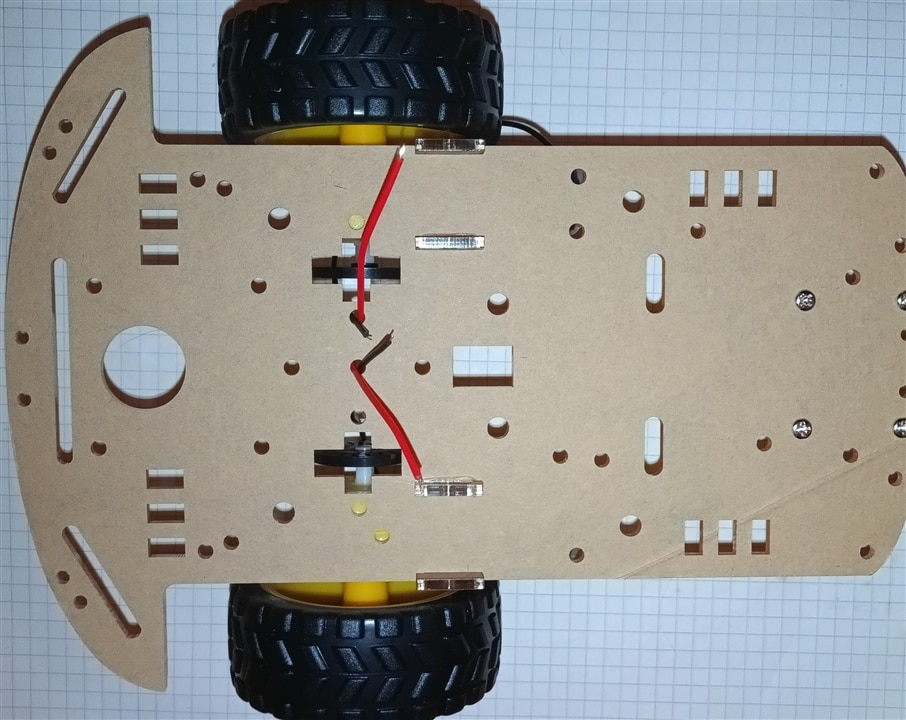
The mobile design allows SmartAssist EV to function not only as a stationary monitoring system but also as a robotic assistive platform capable of responding to its environment.
2. Arduino UNO Q
The central component of the system is the Arduino UNO Q. In the original kit, the Raspberry Pi Pico is used as the main controller; however, in SmartAssist EV, the Pico is replaced by the UNO Q.
The Arduino UNO Q is responsible for coordinating the operation of the entire system, including:
- reading data from sensors,
- processing environmental information,
- controlling the vehicle's drive system,
- generating control signals for the H-bridges,
- implementing autonomous operation logic,
- communicating with additional system components,
- implementing experimental intelligent-assistance functions.
The use of the UNO Q provides a foundation for further development toward more advanced data processing and algorithms supporting autonomous decision-making.
3. H-Bridges
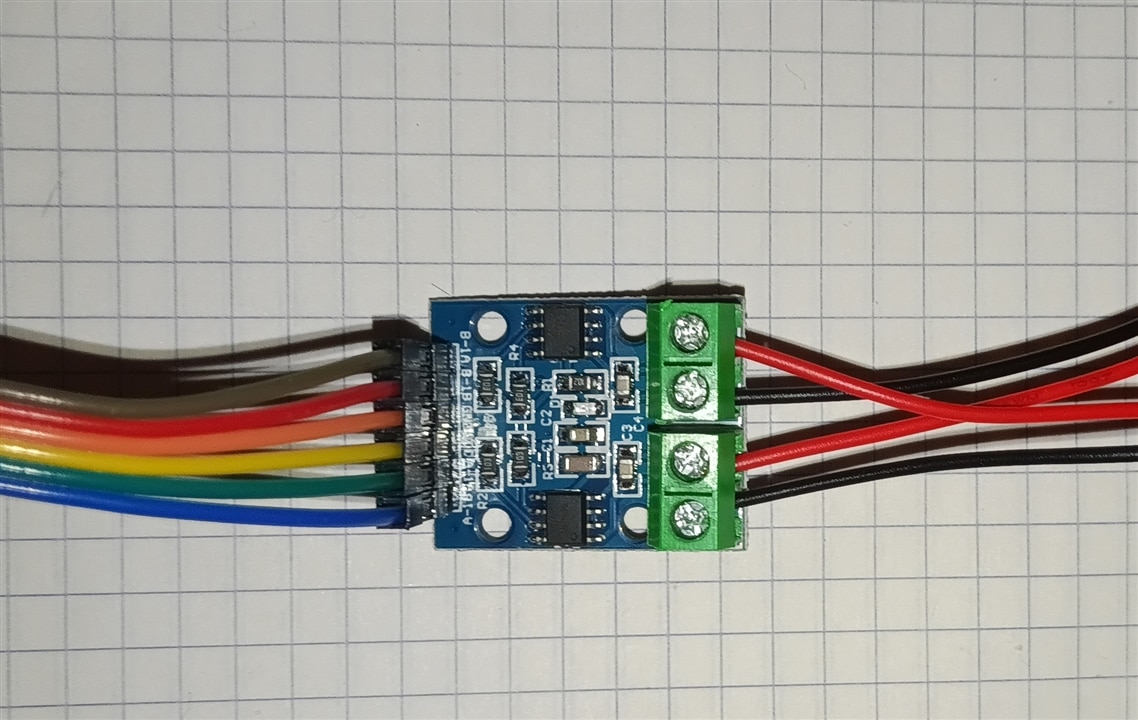
The H-bridges included in the kit are used to control the drive motors. Their purpose is to provide an interface between the Arduino UNO Q and the motors.
The Arduino UNO Q generates the control signals, while the H-bridges provide the appropriate electrical control of the motors. This makes it possible to control the direction of motor rotation and, depending on the particular driver and control method, the motor speed as well.
The basic drive architecture can be represented as:
Arduino UNO Q → H-bridge → motors → vehicle wheels
This approach separates the low-power logic circuitry from the motor power stage and prevents the Arduino board from having to drive the motors directly.
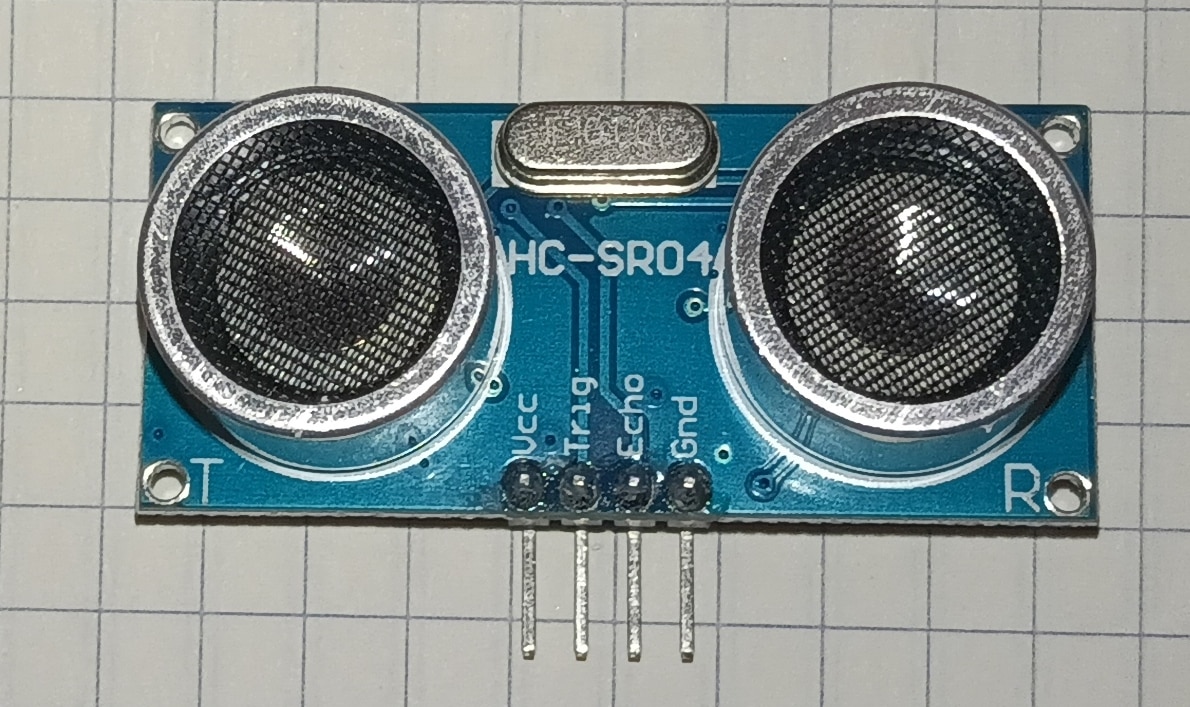
4. Sensors
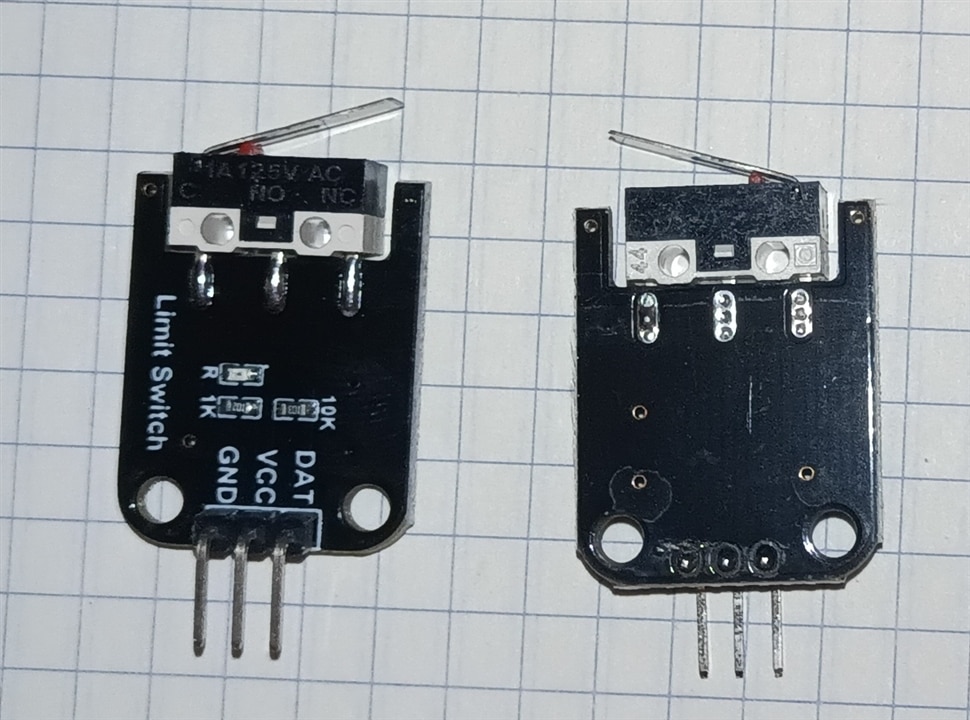
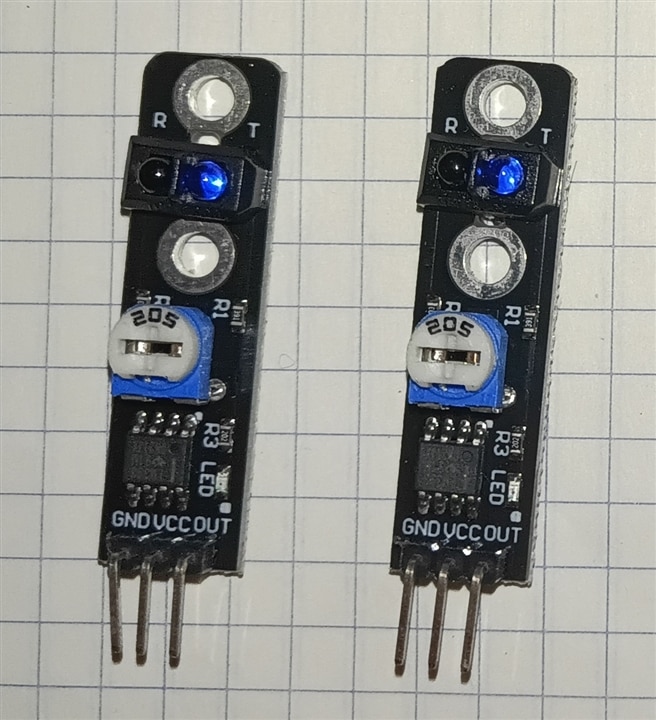
Another important part of SmartAssist EV is the set of sensors used from the kit. Their purpose is to provide the Arduino UNO Q with information about the vehicle's current state and its surrounding environment.
Depending on the particular sensors used, they can provide capabilities such as:
- obstacle detection,
- distance measurement,
- object or presence detection,
- environmental monitoring,
- providing information required for navigation.
The sensor data is processed by the UNO Q and can be used to determine the vehicle's next action.
For example, when an obstacle is detected in front of the vehicle, the system can stop the drive, change its direction, or initiate an obstacle-avoidance procedure.
5. Hardware Architecture
The basic hardware architecture of SmartAssist EV consists of three main blocks:
Sensors → Arduino UNO Q → H-bridges → Motors
The Arduino UNO Q is located at the center of the architecture. It receives data from the sensors, interprets the information, and generates appropriate control signals for the drive system.
The system can therefore be divided into two main layers:
- Perception Layer
This layer consists of sensors responsible for observing the vehicle's environment. They provide the input data required for spatial awareness and detection of potential hazards. - Actuation Layer
This layer consists of the Arduino UNO Q, H-bridges, and motors. Based on information received from the sensors, the system determines the appropriate vehicle behavior and implements it by controlling the motors.
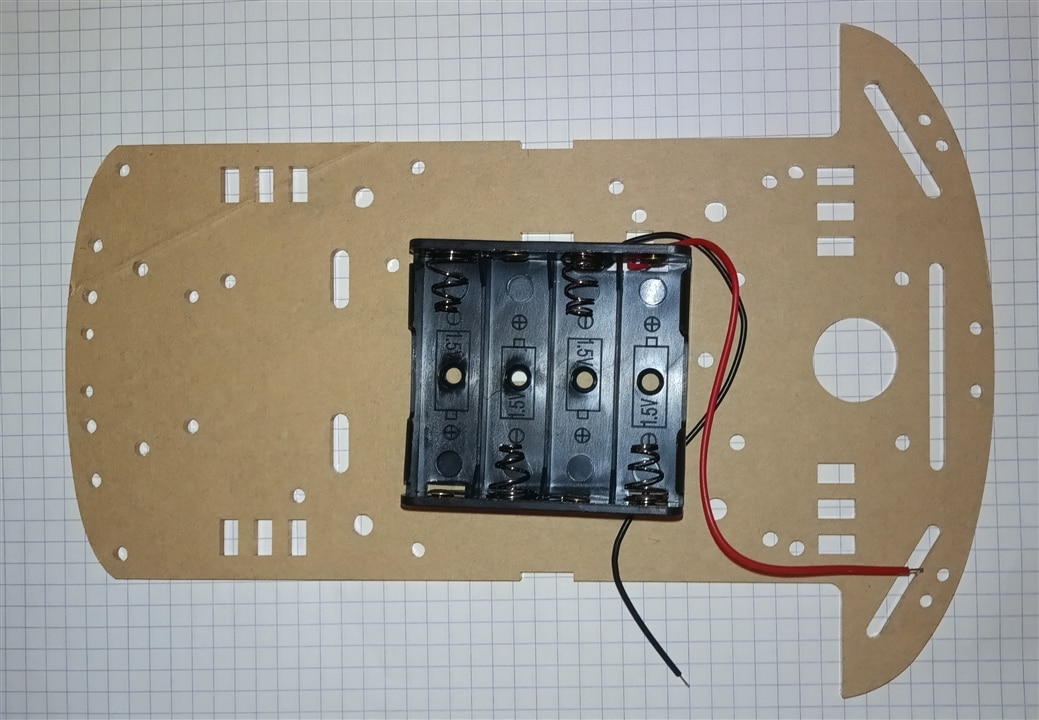
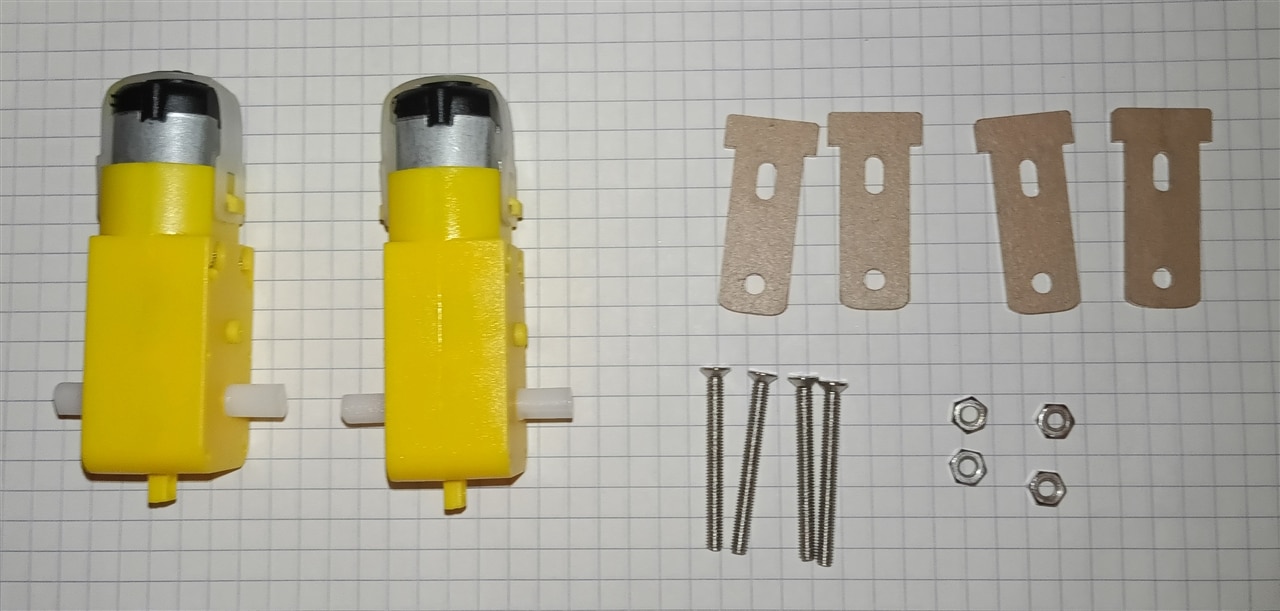
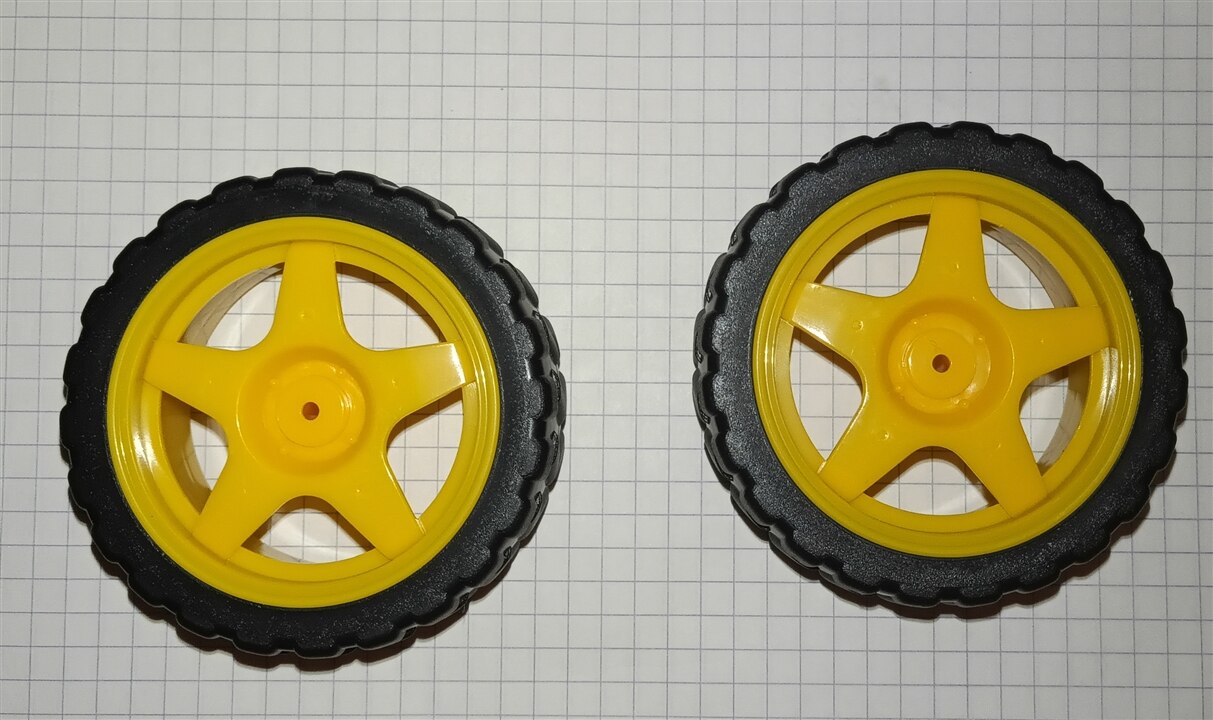
SmartAssist EV is not intended to be a finished medical device, but rather an experimental research and development platform. Its modular architecture allows additional functions to be introduced without fundamentally changing the basic vehicle structure.
The current version focuses on the integration of the mobile vehicle platform, sensors, drive system, and Arduino UNO Q. This configuration provides a foundation for further development of autonomous and assistive functions.
In the future, the platform can be extended with additional sensors, communication systems, user interfaces, audio and visual signaling, and more advanced environmental-analysis mechanisms.
The SmartAssist EV hardware uses only selected components from the Pico with 32 Modules & Projects: Advanced Kit, namely the vehicle platform, drive system, H-bridges, and sensors. The Raspberry Pi Pico is not used in the project; instead, it is replaced by the Arduino UNO Q, which serves as the central controller.
This architecture combines vehicle mobility with environmental sensing and intelligent control, providing a foundation for an experimental assistive system designed to support elderly people and people with disabilities.
